Mainpuri District Sees Surge in Snakebite Incidents, 194 Cases in Seven Months
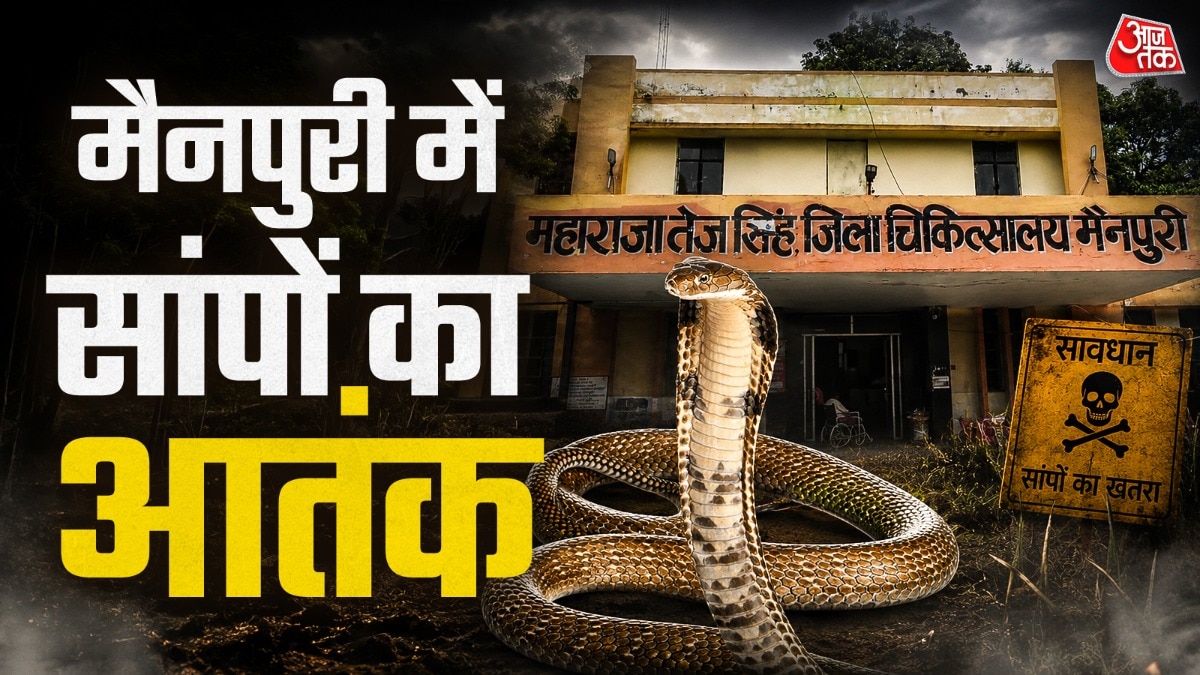
The Mainpuri district in India has recorded a significant increase in snakebite incidents, particularly with the onset of the monsoon season. Over the past seven months, a total of 194 people have been bitten by snakes. Despite the administration ensuring an adequate supply of anti-snake venom, many residents are reportedly risking their lives by seeking traditional healing methods instead of immediate medical attention at hospitals. This reliance on alternative treatments, such as 'jhaad-phoonk' (exorcism or faith healing), is a major concern as it delays crucial medical intervention. The situation highlights a critical public health challenge where access to medical facilities is overshadowed by adherence to traditional practices.
The surge in snakebite incidents in Mainpuri district, coupled with a preference for traditional healing over immediate medical care, points to a complex interplay of cultural beliefs and public health infrastructure. While the availability of anti-snake venom is a positive step, its effectiveness is undermined if not administered promptly. This scenario underscores the need for enhanced public health campaigns that not only raise awareness about the dangers of delayed treatment but also build trust in modern medical interventions. Addressing the root causes of this preference, potentially including accessibility issues or deeply ingrained cultural practices, will be crucial for mitigating future risks and improving health outcomes in the region over the next decade.
AI-generated to prompt reflection — not editorial opinion, not advice, not a statement of fact. How this works.