Maintaining Youthfulness After 50: Key Habits for a Vibrant Life
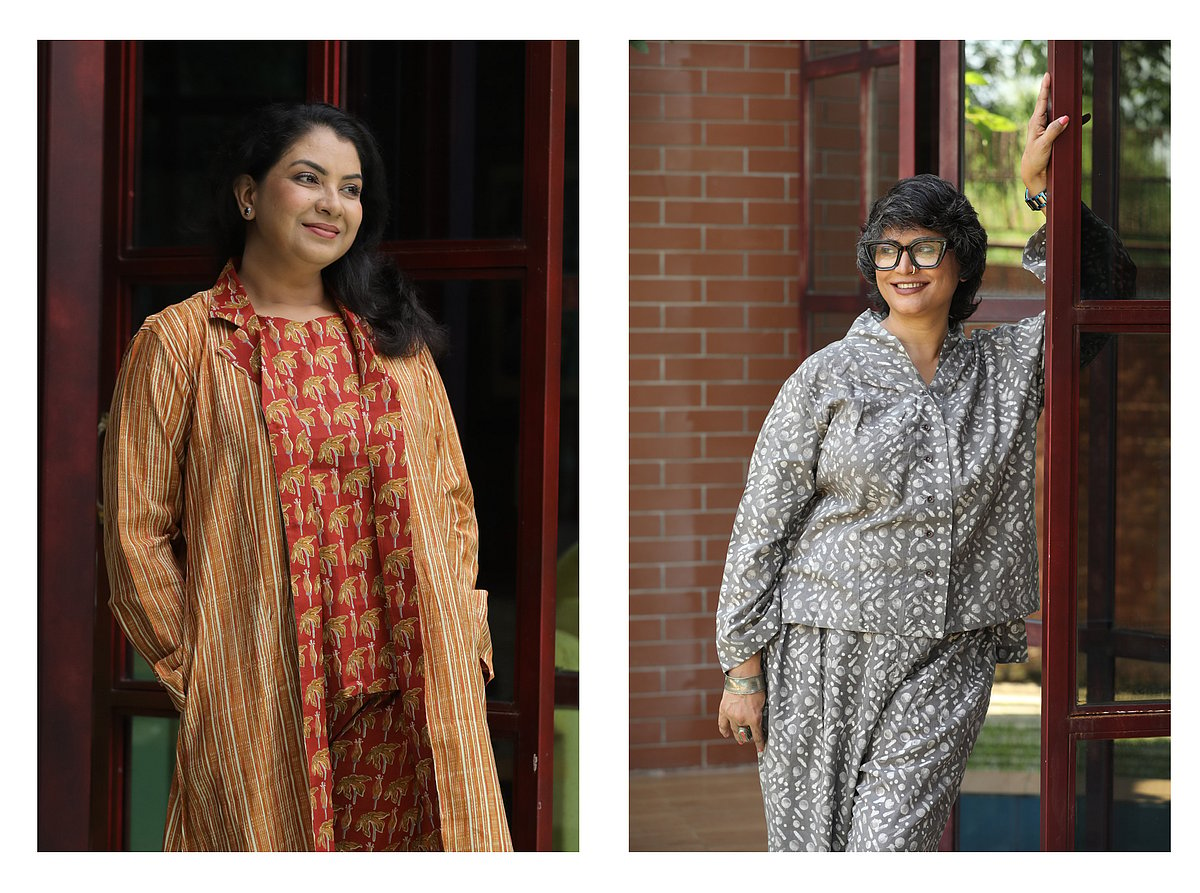
Many women continue to lead active, confident, and youthful lives even after turning 50. Maintaining a healthy diet, regular exercise, mental peace, and conscious daily habits can help ward off the signs of aging. While the responsibilities of child-rearing, family, and career can impact physical and mental well-being, proactive self-care becomes essential, particularly after age 40. Contrary to older proverbs, reaching 50 no longer signifies the end of vitality; instead, it can be a period of continued engagement and energy. Experts and individuals who are thriving past 50 share simple, effective rules for staying healthy, fresh, and lively. These include prioritizing mental well-being by engaging in enjoyable activities like listening to music, reading, or visiting favorite places, as a positive mindset directly influences appearance. Building a strong social circle is also crucial, especially as children become independent, to combat potential feelings of loneliness or emptiness. Engaging with friends through conversation, outings, or shared hobbies fosters mental freshness. Nutritional focus shifts towards adequate protein intake to maintain skin elasticity. External care is also important; using oils like castor oil or flaxseed oil can help prevent skin aging and maintain radiance, while aloe vera gel and daily sunscreen use protect the skin. Fashion choices should reflect personal taste and personality rather than age, considering the occasion, transportation, weather, and company. Ultimately, confidence is the most significant accessory, allowing individuals to present themselves positively and elegantly. Regular physical activity, whether it's running, walking, yoga, or simply dancing to music, is vital for maintaining fitness and a youthful appearance.
This article offers practical advice for women seeking to maintain a youthful and vibrant lifestyle beyond the age of 50. It emphasizes a holistic approach, integrating healthy eating, physical activity, mental well-being, and social connection. The piece effectively debunks the notion that aging necessitates a decline in energy or style, highlighting individual agency in managing one's health and appearance. From a systemic perspective, the longevity and quality of life in later years are influenced by societal structures that support active aging, access to healthcare, and opportunities for continued engagement. The advice presented encourages personal responsibility, but broader public health initiatives promoting accessible fitness programs and mental health support could amplify these benefits across the population. The emphasis on positive self-perception and personal style also points to the evolving societal understanding of aging, moving away from restrictive stereotypes towards a more inclusive and empowering view.
AI-generated to prompt reflection — not editorial opinion, not advice, not a statement of fact. How this works.