Major Bridge Closure Between Minas Gerais and Goiás to Impact Travel
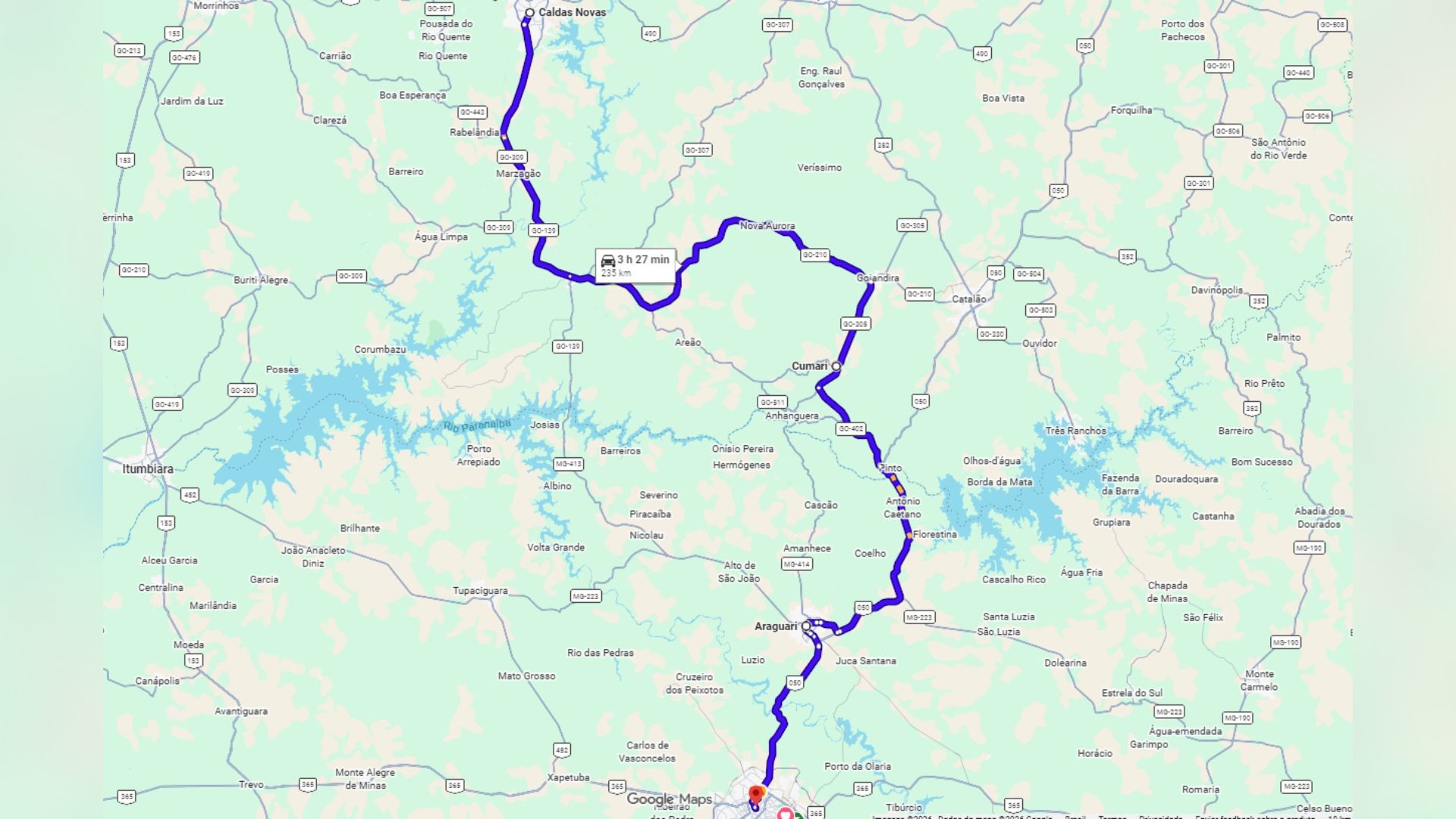
The Quinca Mariano Bridge, a crucial link over the Paranaíba River on the GO-139 highway at the border of Minas Gerais and Goiás, will be fully closed starting August 1st. This closure is necessary for structural repair and rehabilitation work, which will be carried out by the Goiana Agency for Infrastructure and Transport (Goinfra). The bridge is a primary route for travelers between Uberlândia and the tourist city of Caldas Novas, and its closure will significantly increase travel time and distance. Goinfra began gradual work in July, initially using a stop-and-go traffic system, with the total closure planned after the school holiday period. The estimated investment for the project is R$ 25.9 million, with an expected completion time of up to 12 months. The repairs include replacing support devices, rehabilitating expansion joints, structural reinforcement, improving drainage, and repaving. Built in 1975, the 1,153-meter-long bridge, which handles approximately 15,000 vehicles daily, has suffered from deterioration in expansion joints and pavement issues, leading to driver complaints and hazardous conditions. A cooperation agreement between DER-MG and Goinfra signed in November 2025 outlines joint efforts for infrastructure improvements between the two states, including this bridge's recovery. Two main alternative routes are suggested: a faster 235 km, 3.5-hour route via Araguari, Cumari, and Nova Aurora, and a longer 300 km, 4.5-hour route via Itumbiara, Buriti Alegre, and Água Limpa. These routes are also available in reverse for travel from Caldas Novas to Uberlândia.
The extended closure of the Quinca Mariano Bridge highlights the critical need for robust infrastructure maintenance and proactive investment in inter-state transportation networks. The delay in addressing the bridge's structural deficiencies, evident since at least November 2025, has resulted in a significant disruption for an estimated 15,000 daily users. This event underscores a systemic challenge in prioritizing and funding essential infrastructure upkeep, potentially leading to cascading economic and social impacts. Future planning must incorporate more resilient maintenance schedules and contingency funds to mitigate the consequences of such prolonged closures, ensuring continued connectivity and economic flow between key regions.
AI-generated to prompt reflection — not editorial opinion, not advice, not a statement of fact. How this works.