Major US Airlines Prohibit Humanoid and Animal-Like Robots on Flights
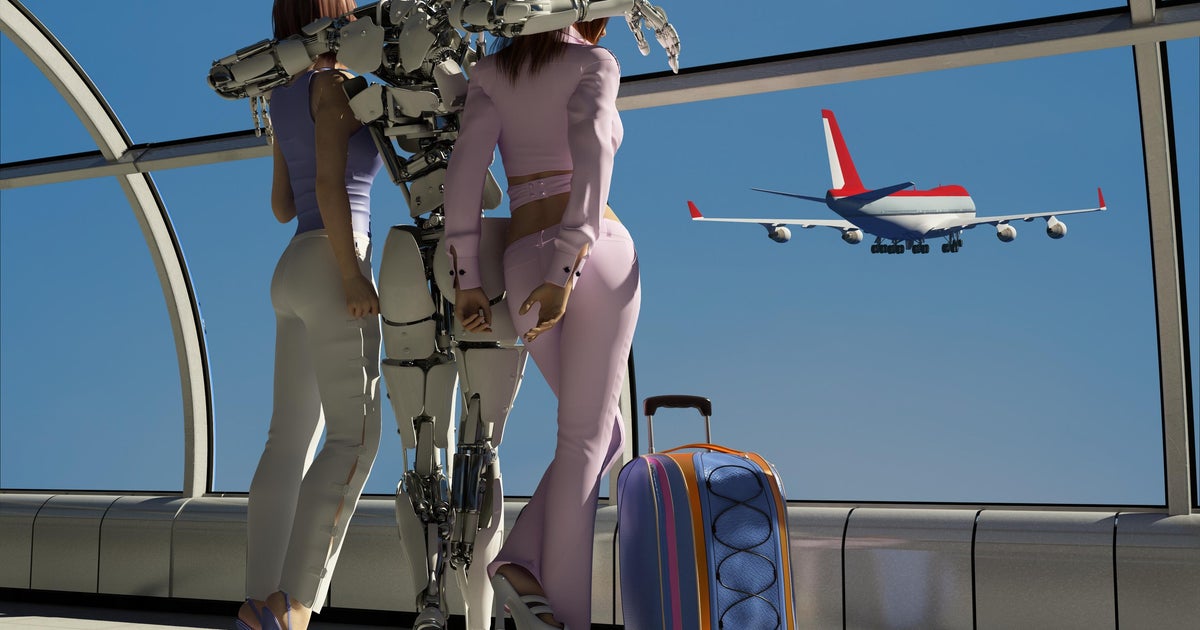
Three prominent U.S. airlines have recently updated their policies to explicitly ban humanoid and animal-like robots from traveling on their flights. This significant change in regulations was implemented without widespread public announcement, indicating a strategic decision by the carriers. The specific types of robots affected by this ban include those designed to resemble humans or animals. While the exact reasons for this widespread ban are not detailed, it suggests a growing concern or a need for clarification regarding the presence of such advanced robotics in the cabin environment. This move by major airlines could set a precedent for other carriers globally and raises questions about the future integration of robots in public transportation spaces. The policy shift implies that current safety, security, or operational protocols may not adequately address the presence of these sophisticated robotic entities.
The decision by major U.S. airlines to ban humanoid and animal-like robots suggests a proactive, albeit opaque, approach to managing emerging technological integration within air travel. This policy likely stems from a combination of factors, including current regulatory gaps, potential security vulnerabilities, and the operational complexities that such robots might introduce to cabin environments. Airlines may be anticipating future challenges related to passenger safety, the need for clear identification of living beings versus machines, and the potential for misuse or malfunction. By establishing this ban now, carriers are attempting to preemptively address these issues, prioritizing a controlled environment as the technology evolves. This approach highlights the tension between technological advancement and the established safety and security frameworks of industries like aviation, prompting a need for clearer industry-wide standards and a robust regulatory dialogue on the role of advanced robotics in public spaces.
AI-generated to prompt reflection — not editorial opinion, not advice, not a statement of fact. How this works.