Majority of Brazilians Support Ending 6x1 Work Schedule, Poll Finds
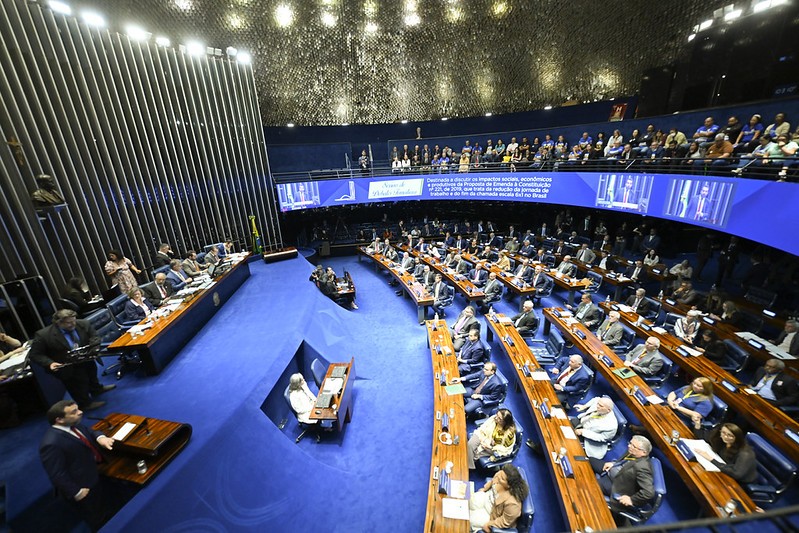
A recent poll conducted by Quaest reveals that 69% of Brazilians support the proposed end to the 6x1 work schedule, which mandates six days of work followed by one day off. Only 22% of respondents are against this change, with the support level remaining consistent since July 2025. The proposal aims to reduce the weekly work hours from 44 to 40 over a 14-month period. A significant majority, 75%, were already aware that the Chamber of Deputies had approved this measure and that it is now under consideration in the Senate. However, opinions diverge on the practical implications: 50% believe their weekly working hours will decrease, while 45% do not anticipate this outcome. When asked about how they would utilize additional free time, 53% of respondents indicated they would use it for rest and spending time with family. Other planned activities include seeking additional work or overtime to boost income (13%), pursuing education or courses (12%), engaging in religious activities (9%), leisure pursuits like going out or partying (6%), and traveling (4%). The survey, commissioned by Genial Investimentos, interviewed 2,004 voters between July 10-13, 2026, with a margin of error of two percentage points and a 95% confidence level.
The widespread public support for reducing work hours and ending the 6x1 schedule suggests a societal desire for improved work-life balance, potentially driven by evolving labor expectations and a greater emphasis on personal well-being. While the majority anticipate less work, the significant minority who do not foresee this outcome may reflect concerns about potential wage stagnation or employers seeking to maintain current output through other means. The poll highlights a potential tension between legislative intent and practical implementation, where the economic incentives for employers might not align with the desired reduction in working hours for employees. Future policy discussions should consider mechanisms to ensure that reduced hours translate into tangible benefits for workers, rather than simply shifting the burden or creating new forms of labor pressure in the evolving economic landscape.
AI-generated to prompt reflection — not editorial opinion, not advice, not a statement of fact. How this works.