Majority of Hungarians Believe Tamás Sulyok Was Unfit for Presidency
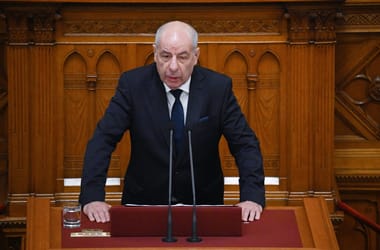
A recent poll by Publicus indicates that the vast majority of Hungarians believe Tamás Sulyok was an unsuitable candidate for the presidency. The former president's performance in office received a overwhelmingly negative assessment from the Hungarian public. This sentiment suggests a significant dissatisfaction with Sulyok's tenure and his suitability for the highest office in the land. The poll results highlight a stark contrast between the public's perception and potentially the government's endorsement of his candidacy. Further details on the specific reasons for this widespread disapproval were not provided in the initial report. However, the strong negative evaluation points to a deep-seated concern among the populace regarding Sulyok's qualifications or actions during his term. The findings underscore the importance of public opinion in assessing political leadership and the potential impact on future political appointments. This public sentiment could influence future political discourse and electoral outcomes in Hungary.
The poll data suggests a significant disconnect between public perception and the perceived suitability of Tamás Sulyok for the presidency. This outcome may reflect underlying concerns about governance, transparency, and accountability within the Hungarian political system. Such public sentiment, if widespread, could indicate a desire for greater scrutiny of presidential candidates and their past actions. Moving forward, political actors may need to consider the implications of public trust and perceived integrity when making high-level appointments, especially in an era where information dissemination is rapid and public discourse is increasingly influential. The long-term impact on democratic institutions will depend on how these concerns are addressed and whether they lead to systemic reforms in candidate vetting and public engagement.
AI-generated to prompt reflection — not editorial opinion, not advice, not a statement of fact. How this works.