Malaria Resurgence Near Amazon Dam Linked to Environmental Factors, Study Finds
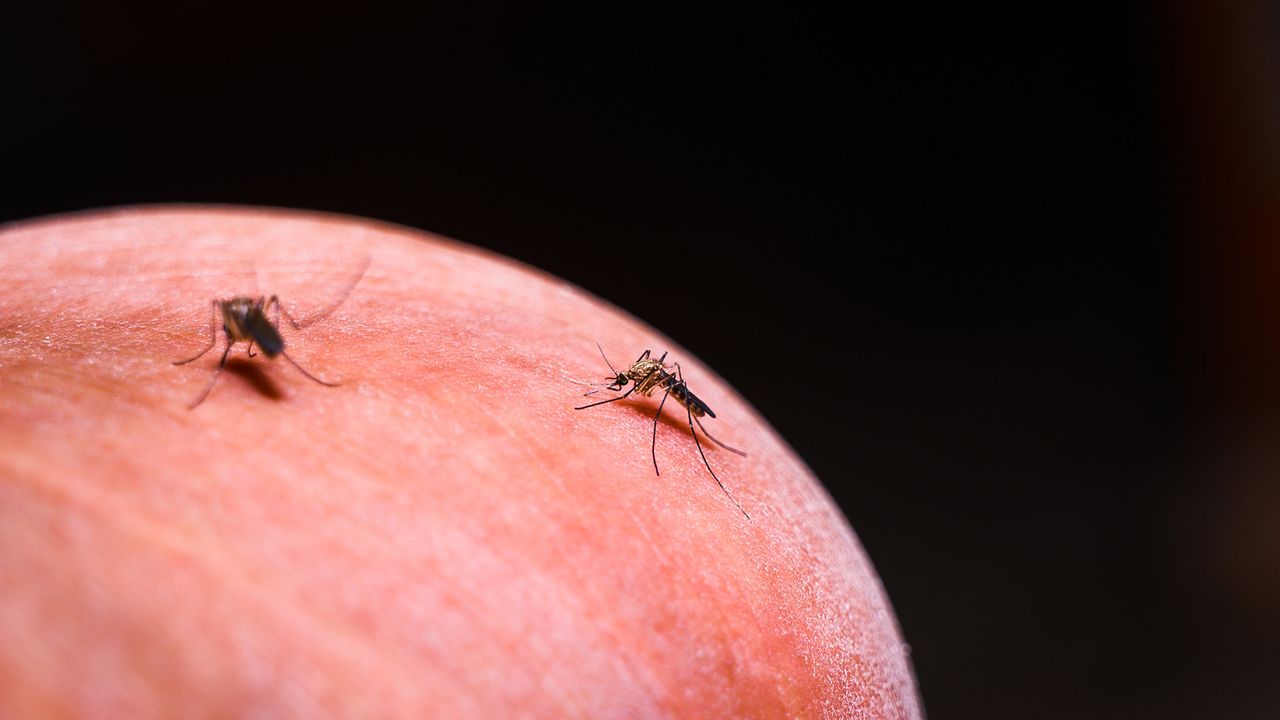
A 15-year study has revealed that long-term malaria control efforts may require a stronger focus on environmental protection alongside traditional public health programs. Malaria had been on the verge of elimination around a major dam in the Amazon region. However, the disease has since made a significant comeback, prompting experts to investigate the underlying causes. The research suggests that the resurgence is closely tied to environmental changes that have occurred in the area. This finding implies that ecological factors play a crucial role in the persistence and re-emergence of malaria. Therefore, future strategies for combating the disease must integrate environmental conservation measures. Public health initiatives alone may not be sufficient to achieve sustained malaria eradication. The study highlights the interconnectedness of human health and the natural environment in disease control.
The resurgence of malaria near the Amazon dam underscores the critical interdependence between public health interventions and environmental stewardship. This situation suggests that ecological shifts, potentially driven by infrastructure development or land-use changes, can undermine disease eradication efforts. Future malaria control strategies may need to incorporate comprehensive environmental impact assessments and long-term ecological monitoring. Understanding the dynamic interplay between human activity, environmental health, and disease vectors is paramount for sustainable public health outcomes in the coming decade, especially as climate change and development continue to alter ecosystems globally.
AI-generated to prompt reflection — not editorial opinion, not advice, not a statement of fact. How this works.