Malawi Energy Expert Calls for Urgent Overhaul of Escom's Failing Power Grid
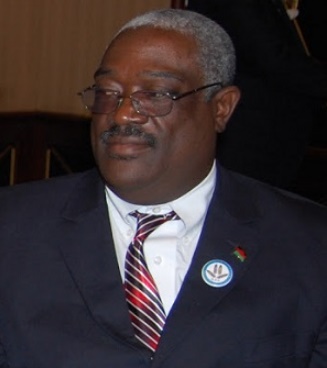
Energy expert Grain Malunga has issued a stark warning regarding Malawi's deteriorating power infrastructure, urging the state-owned distributor Escom to immediately revamp its maintenance and monitoring protocols. Malunga expressed strong dissatisfaction with the persistent power blackouts that continue to affect the country. He characterized the ongoing system shutdowns as a critical issue requiring immediate attention. The expert's demand highlights deep-seated problems within Escom's operational framework. The call for an overhaul suggests that current practices are insufficient to ensure reliable electricity supply. This situation has significant implications for both domestic consumers and the broader economy. The expert's strong language indicates a sense of urgency and frustration with the status quo. Escom's role as the sole state-run distributor makes its performance crucial for national development. The persistent blackouts are likely impacting various sectors, including businesses and public services. Malunga's intervention underscores the need for systemic improvements to prevent future disruptions.
The persistent power outages in Malawi, attributed to Escom's infrastructure and maintenance issues, represent a critical governance challenge. The expert's strong critique suggests a disconnect between Escom's operational capacity and the nation's energy demands. This situation likely stems from underinvestment in grid modernization, inadequate maintenance strategies, and potentially inefficient management practices. Looking ahead, Malawi faces a trade-off between immediate, costly infrastructure upgrades and the continued economic and social disruption caused by unreliable power. Addressing this requires a long-term strategic plan that may involve public-private partnerships, enhanced regulatory oversight, and a commitment to technological advancements in grid management to ensure energy security in the coming decade.
AI-generated to prompt reflection — not editorial opinion, not advice, not a statement of fact. How this works.
