Malaysia Airlines Pilot Arrested in Jakarta with 70,000 Ecstasy Pills
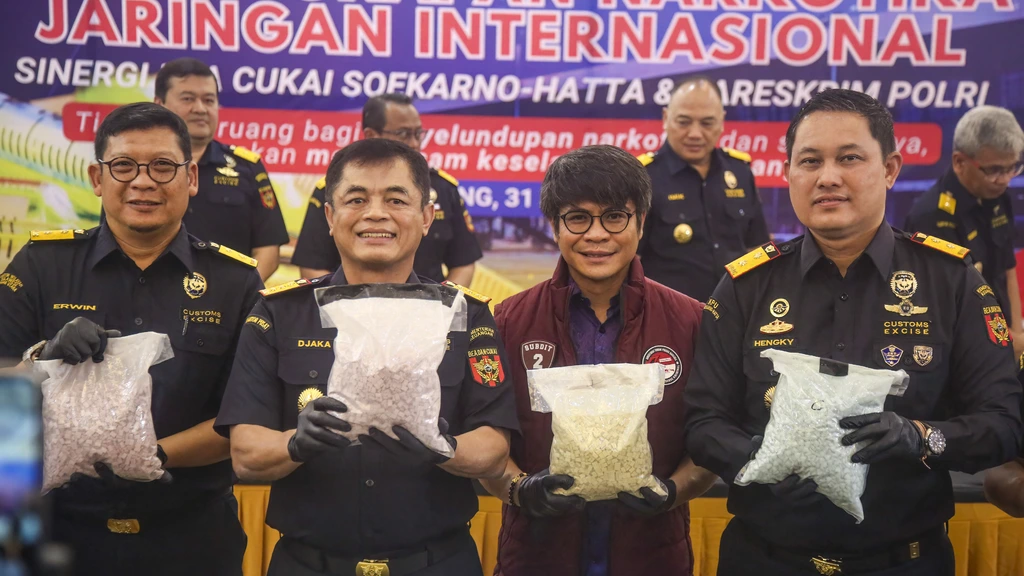
A 39-year-old Malaysian pilot for Malaysia Airlines was arrested at Soekarno-Hatta International Airport in Jakarta after customs officials discovered 70,000 ecstasy pills in his luggage. The pilot had flown from Kuala Lumpur to Jakarta with passengers before his apprehension. He was allegedly smuggling the drugs, weighing tens of kilograms, at the request of an acquaintance and was promised a reward of over 10,000 euros. A drug test revealed the pilot was under the influence of MDMA, cocaine, and methamphetamine. In addition to the ecstasy, which was found in 14 bags within his carry-on, authorities also found 4 grams of methamphetamine, believed to be for personal use. According to Indonesian customs, the pilot admitted this was his third drug smuggling attempt, with previous incidents involving Indonesia and Malaysia. He is suspected of being part of an international drug syndicate. Malaysia Airlines has stated they do not tolerate misconduct and are cooperating with authorities, while also launching an internal investigation. Indonesia enforces strict drug laws, with penalties for drug smuggling including life imprisonment or the death penalty, the latter of which was last carried out in July 2016.
This incident highlights the significant risks associated with drug trafficking, particularly within the aviation industry, where individuals in positions of trust can exploit their access. The pilot's alleged involvement suggests potential vulnerabilities in security protocols and the allure of substantial financial incentives for illicit activities. Indonesia's stringent drug laws, including capital punishment, underscore the severe consequences faced by those involved in drug smuggling. The case raises questions about the effectiveness of screening and monitoring processes for airline personnel and the broader challenge of combating international drug syndicates operating across borders. Future considerations may involve enhanced background checks, real-time monitoring technologies, and international cooperation to disrupt these criminal networks.
AI-generated to prompt reflection — not editorial opinion, not advice, not a statement of fact. How this works.