Malaysia PM Anwar Rejects US Lawmakers' Demand to Lift Israel Ban
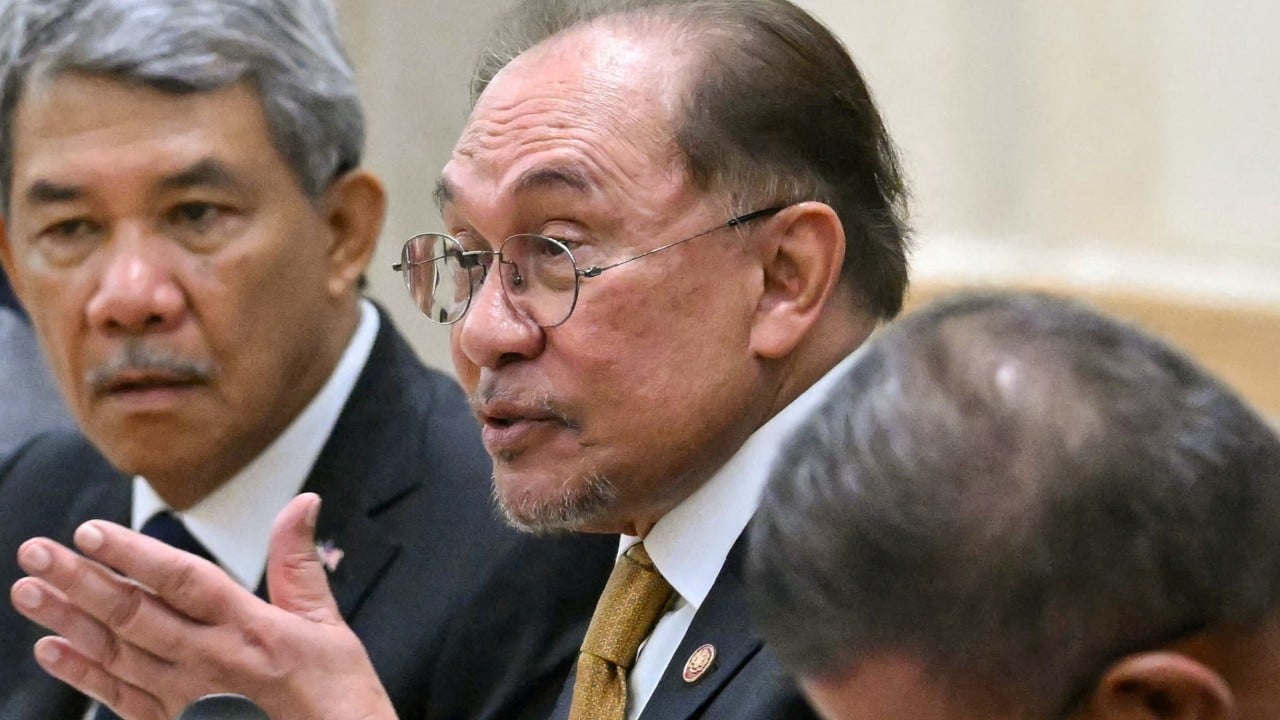
Malaysian Prime Minister Anwar Ibrahim has rejected a demand from eight US lawmakers who threatened to suspend military training funds. The lawmakers' demand was for Malaysia to lift its long-standing restrictions on Israeli nationals. Malaysia, a Muslim-majority nation, does not have diplomatic relations with Israel and has consistently supported Palestinian statehood. Prime Minister Anwar stated that Malaysia is exercising its sovereign right to control entry into the country. He dismissed the lawmakers' assertion that his government was violating any agreements. The Malaysian government maintains its policy of prohibiting Israeli nationals from entering the country, a stance consistent with its broader foreign policy objectives regarding the Israeli-Palestinian conflict. This situation highlights the tension between Malaysia's domestic policies and foreign relations, and the influence of external political pressures.
This event underscores the complexities of international relations, where domestic sovereignty in immigration policy intersects with foreign aid and geopolitical alignments. The US lawmakers' threat to withhold military funding represents an attempt to leverage economic and security ties to influence Malaysia's stance on Israel, a nation with significant strategic importance to the United States. Malaysia's firm rejection, framing it as a sovereign right, highlights a potential divergence in values and priorities between the two nations, particularly concerning the Israeli-Palestinian conflict. This situation may prompt a re-evaluation of the incentive structures governing US foreign aid and the potential for such aid to create diplomatic friction when national interests or deeply held principles conflict.
AI-generated to prompt reflection — not editorial opinion, not advice, not a statement of fact. How this works.