Malaysia Reopens Labor Market to Bangladeshi Workers After Bilateral Talks
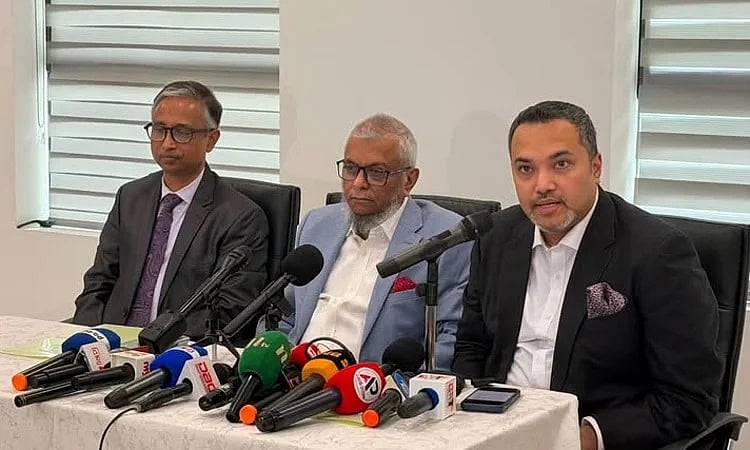
Malaysia's labor market has officially reopened to Bangladeshi workers across all sectors following successful bilateral discussions, according to Mahdi Amin, advisor to the Prime Minister and spokesperson for his office. Amin announced during a press conference at the Bangladesh High Commission in Kuala Lumpur on Thursday that a realistic target has been set, with Bangladeshi workers expected to begin arriving in Malaysia by the last week of August. The reopening marks a significant development after a prolonged closure of the labor market.
Amin expressed sincere gratitude to the Malaysian government, specifically Prime Minister Anwar Ibrahim and Human Resources Minister Ar. Ramanan, for their cooperation in facilitating this progress. He highlighted that prioritizing "Bangladesh First" was central to protecting the interests of the nation's large population, and anticipates that the influx of workers within the next month will significantly contribute to Bangladesh's economy in the long term. The current elected and democratic government is committed to improving the living standards and work environment for Bangladeshi expatriate workers in Malaysia. Amin urged citizens to exercise patience and follow proper procedures as the labor market opens, warning against fraud and exploitation by brokers and unscrupulous syndicates. He assured that strict measures would be taken against such individuals upon their return to Bangladesh, with coordination from law enforcement and administrative bodies.
Further technical cooperation and joint initiatives between the two countries are set to commence soon, managed collaboratively by the Bangladesh High Commission in Malaysia and the Malaysian High Commission in Dhaka. The process is being streamlined and made more transparent through joint decisions by Malaysia's Ministry of Human Resources and Bangladesh's Ministry of Expatriates' Welfare and Overseas Employment. Amin also stated that the Bangladesh High Commission is being directed to become more citizen-friendly, serving as a central point of trust for workers. The state-owned company Boesel is being prioritized for the first phase of worker recruitment, with a request made to the Malaysian government to conduct this initial process through Boesel. The primary objectives of the current government are to reduce migration costs, enhance skills, and ensure a transparent process for skilled workers seeking employment in Malaysia. Amin noted that the final number of recruiting agencies will be determined by Malaysia based on its own verification and framework, under the current Memorandum of Understanding valid until December. Bangladesh has requested the inclusion of the maximum possible number of recruiting agencies, considering the high volume of workers sent to Malaysia from Bangladesh. He also confirmed that licenses of individuals involved in past fascism, corruption, and unethical activities have been revoked by Bangladesh's Ministry of Expatriates' Welfare and Overseas Employment, ensuring that those associated with such practices will not be included in the new list.
The reopening of Malaysia's labor market to Bangladeshi workers signifies a positive step towards addressing labor shortages in Malaysia and providing employment opportunities for Bangladeshis. This development is framed as a diplomatic success, highlighting the importance of bilateral relations and cooperation. The emphasis on transparency, reduced migration costs, and the exclusion of corrupt or unethical agencies suggests an effort to create a more regulated and equitable system for migrant workers. However, the long-term success will depend on the effective implementation of these measures, ensuring fair wages, safe working conditions, and protection against exploitation for the workers. The historical context provided, referencing past administrations and political parties, indicates that labor migration policies can be subject to political shifts and national interests. Future challenges may include managing the scale of migration, ensuring skill matching, and maintaining the integrity of the recruitment process amidst potential pressures for rapid deployment.
AI-generated to prompt reflection — not editorial opinion, not advice, not a statement of fact. How this works.