Malaysia's New Warship Lacks Anti-Ship Missiles Despite Advanced Capabilities
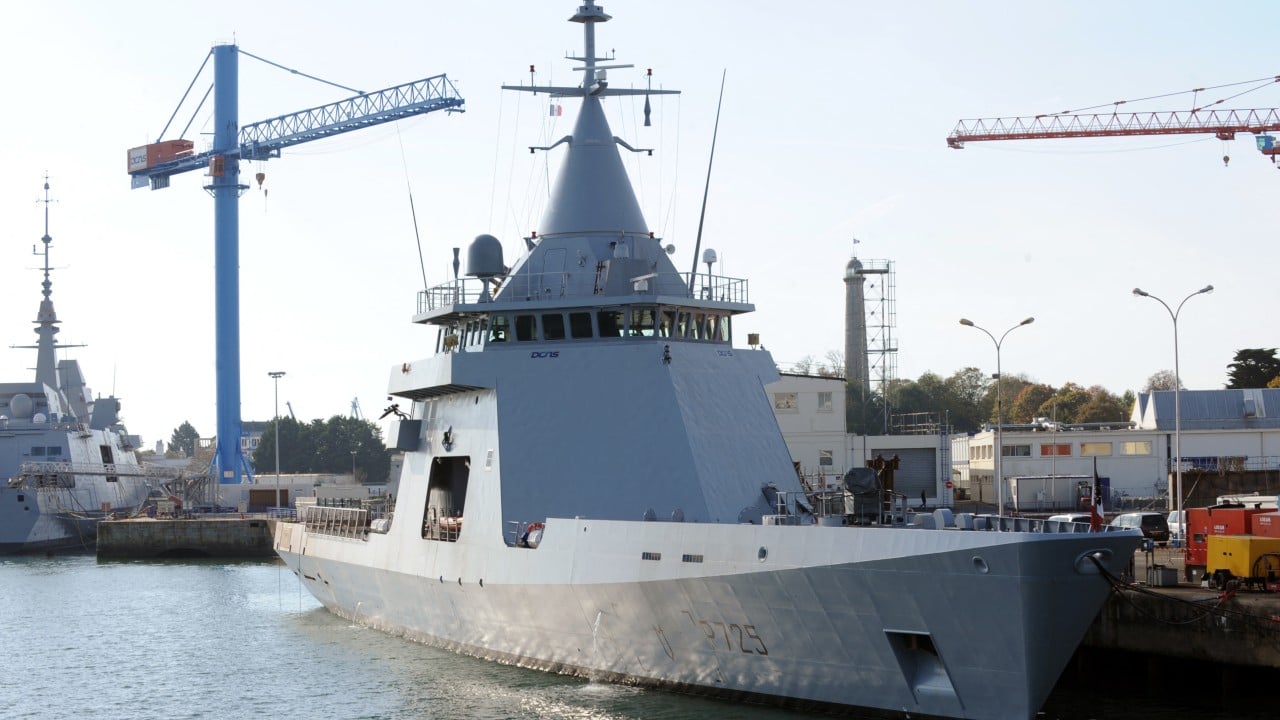
The Royal Malaysian Navy is set to receive its first littoral combat ship in December, a vessel equipped for anti-submarine, anti-air, and electronic warfare. However, the ship will be delivered without any anti-ship missiles, a critical omission that significantly limits its offensive capabilities against enemy vessels. This delivery follows nearly a decade of setbacks, including financial scandals and mismanagement at the shipyard. The absence of anti-ship missiles is due to Norway revoking the export license for the planned Naval Strike Missile system. Despite these limitations, the warship represents a significant modernization for the Malaysian navy, bringing advanced capabilities in other crucial areas of naval defense.
The delayed delivery of Malaysia's littoral combat ship, marred by financial and management issues, highlights the complexities of major defense procurement. While the vessel boasts advanced capabilities in anti-submarine, anti-air, and electronic warfare, the absence of anti-ship missiles presents a significant strategic vulnerability. This situation underscores the critical importance of securing reliable supply chains and export licenses for key weapon systems early in the procurement process. Future naval acquisitions will need to balance technological ambition with pragmatic considerations of geopolitical stability and supplier reliability to ensure operational readiness and strategic effectiveness in the long term.
AI-generated to prompt reflection — not editorial opinion, not advice, not a statement of fact. How this works.