Malaysia's Rohingya Repatriation Deal Sparks Refoulement Concerns
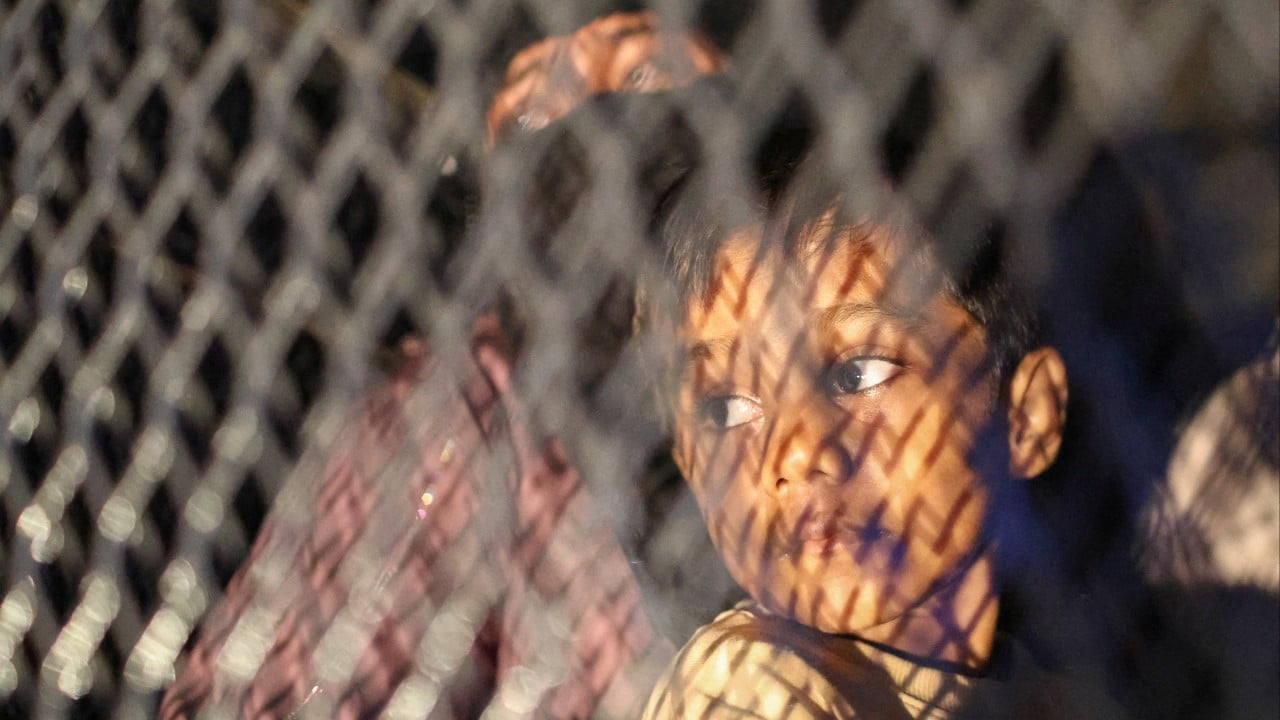
Malaysia has announced an agreement with Myanmar to repatriate 5,000 Rohingya refugees, a move that could alleviate pressure on Malaysia's refugee system. However, the deal has triggered significant alarm among human rights activists and organizations. Concerns center on the potential for refoulement, which is the practice of returning refugees to a country where they face persecution or danger. Activists emphasize that any return of Rohingya to Myanmar must be strictly voluntary and accompanied by robust guarantees for their safety. They point to the ongoing conflicts within Myanmar and the continued denial of citizenship for most Rohingya, highlighting the perilous conditions many would face upon return. The international community and rights groups are closely monitoring the situation, urging caution and adherence to international refugee law principles.
The proposed repatriation of 5,000 Rohingya refugees from Malaysia to Myanmar presents a complex geopolitical and humanitarian challenge. While Malaysia seeks to manage its refugee population, the agreement necessitates careful consideration of international refugee conventions, particularly the principle of non-refoulement. The inherent instability and ongoing conflicts within Myanmar, coupled with the unresolved issues of Rohingya citizenship and rights, create a high-risk environment for returnees. Future policy decisions regarding such repatriations will likely be shaped by the interplay of national sovereignty, humanitarian obligations, and the evolving security landscape in Southeast Asia. The long-term implications for regional stability and the global refugee regime warrant ongoing scrutiny.
AI-generated to prompt reflection — not editorial opinion, not advice, not a statement of fact. How this works.