Malaysia Secures 10% US Tariff Rate, Outpacing Neighbors Amidst Trade War Uncertainty
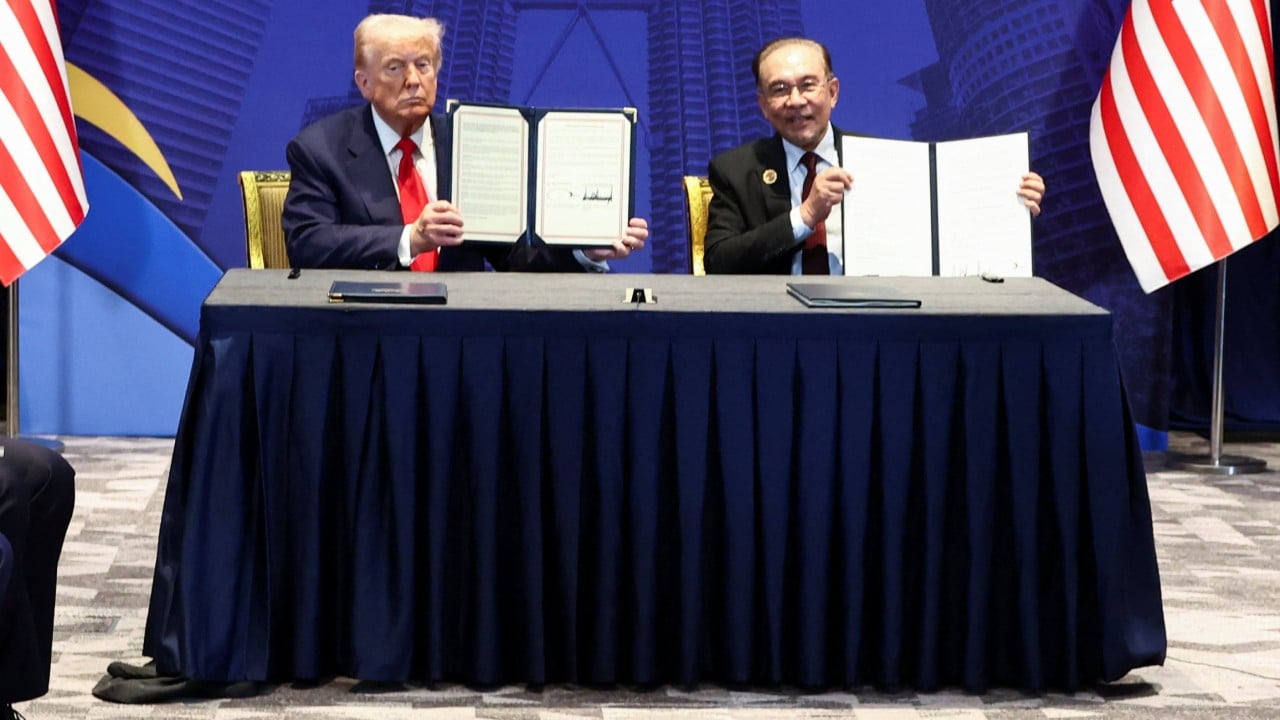
Malaysia has achieved a temporary advantage in the ongoing US tariff disputes, securing a 10% tariff rate that positions it more favorably than four other Southeast Asian nations in attracting US orders. This development comes as part of a new American tariff regime implemented on Friday, falling under Section 301 of the US Trade Act. While this offers a competitive edge, economists caution that this benefit may be short-lived. The sustainability of Malaysia's favorable position is contingent upon the nation's commitment to fulfilling its pledged trade reforms. The new duties place Malaysia in a lower tariff tier within the American system, a situation that currently distinguishes it from several regional competitors.
Malaysia's current tariff advantage highlights the complex and dynamic nature of global trade negotiations, where policy shifts and reform commitments can rapidly alter competitive landscapes. The nation's ability to leverage its position hinges on its proactive engagement with promised trade reforms, suggesting that long-term economic strategy requires consistent adherence to international commitments. This situation underscores the broader trend of nations seeking to navigate geopolitical trade tensions by adapting their economic policies, with the potential for such advantages to be ephemeral if not underpinned by structural improvements and sustained diplomatic efforts. The coming years will likely see continued recalibration of trade relationships as countries balance national interests with global economic integration.
AI-generated to prompt reflection — not editorial opinion, not advice, not a statement of fact. How this works.