Malaysian PM Anwar's Coalition Suffers Setback in Negeri Sembilan Elections
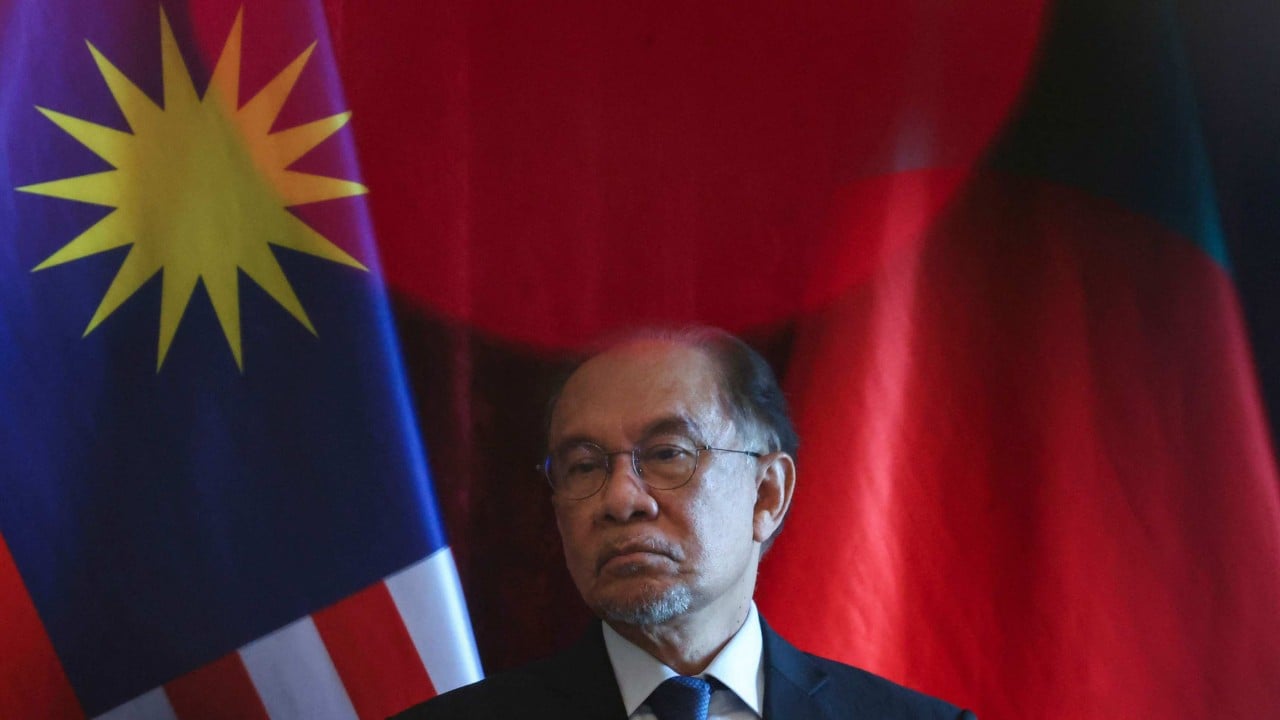
Prime Minister Anwar Ibrahim's Pakatan Harapan (PH) coalition experienced a significant defeat in the recent Negeri Sembilan state elections. This loss has cast doubt on the effectiveness of Anwar's current political strategy. Meanwhile, the Barisan Nasional (BN) coalition, a federal ally to PH, demonstrated growing dominance by winning 18 out of 36 assembly seats in Negeri Sembilan. Analysts suggest that BN's strategic cooperation with the opposition party Perikatan Nasional (PN) could lead to a substantial reshaping of Malaysia's political dynamics. This shift in power could have implications for the upcoming national election, which is constitutionally due by February 2028.
The Negeri Sembilan election results highlight the complex interplay of federal alliances and state-level political maneuvering in Malaysia. The performance of Barisan Nasional (BN) suggests that its collaboration with Perikatan Nasional (PN) may be a potent strategy for electoral gains, potentially challenging the established federal coalition. This dynamic raises questions about the long-term stability of inter-coalition partnerships and the evolving voter preferences ahead of the next general election. Future political strategies will likely need to account for these shifting alliances and the potential for new power blocs to emerge, impacting the broader governance landscape.
AI-generated to prompt reflection — not editorial opinion, not advice, not a statement of fact. How this works.