Mali Intensifies Crackdown on Hookah Use with Harsher Penalties
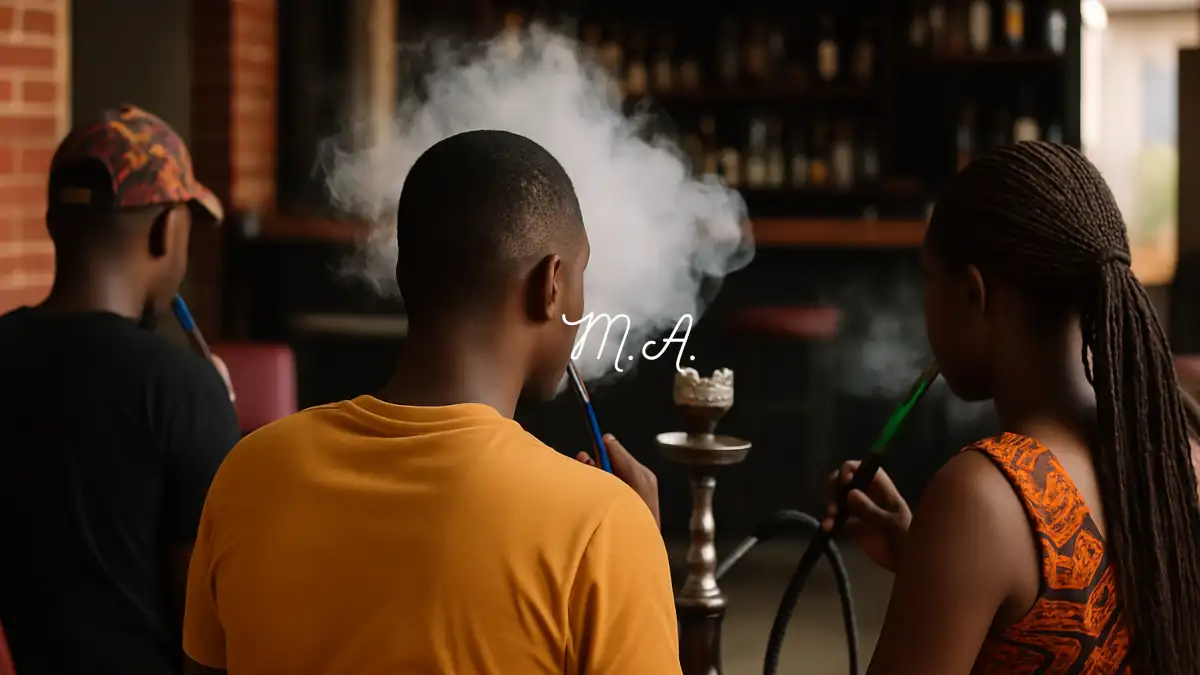
Mali is significantly increasing penalties for offenses related to hookah (chicha) use, including related products and their possession. A directive issued on July 21, 2026, by the Minister of Justice, Mamoudou Kassogué, mandates strict enforcement of the ban. This prohibition now extends to shisha, flavored tobacco (tabamel), and aromas specifically intended for hookahs. Magistracy and investigative services are instructed to rigorously apply these new measures. Offenders now face potential prison sentences of up to three years and fines reaching 15 million Malian francs. The government's move signals a strong stance against the use and distribution of these products within the country.
The Malian government's decision to impose severe penalties, including significant fines and prison time, for hookah-related offenses reflects a public health strategy aimed at curbing perceived societal harms. From a governance perspective, such stringent measures can be effective in rapidly altering public behavior, though their long-term impact on illicit markets and individual liberties warrants consideration. The effectiveness of this policy will depend on consistent enforcement and the availability of alternative recreational activities. Looking ahead, the intersection of public health mandates and personal choice will continue to be a key dynamic in regulatory approaches to lifestyle products in the coming decade.
AI-generated to prompt reflection — not editorial opinion, not advice, not a statement of fact. How this works.