Mali: Jihadists and Separatists Launch Renewed Offensive Against Junta and Russian Allies
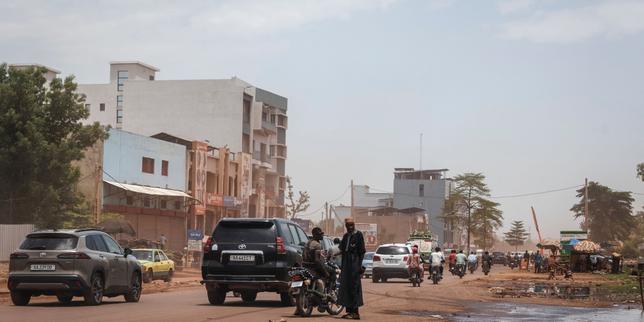
Multiple cities in Mali, including the strategic northern hub of Anéfis, were simultaneously attacked on Saturday. This renewed offensive by jihadist and separatist groups targets the ruling junta and its Russian allies. The attacks signify a significant escalation in the ongoing conflict within the country. Earlier in April, the GSIM, which is the Sahel branch of Al-Qaeda, and the FLA (Front de Libération de l'Azawad) had also conducted coordinated assaults. These earlier attacks even reached the capital city of Bamako, demonstrating the wide reach of these armed groups. The current wave of attacks suggests a coordinated strategy to destabilize the government and challenge its control, particularly in key regions. The involvement of Russian allies, likely referring to the Wagner Group or similar entities, indicates a complex geopolitical dimension to the internal conflict. The simultaneous nature of the attacks on Saturday highlights the operational capacity and planning of the opposing forces. The strategic importance of Anéfis underscores the groups' aim to disrupt vital supply lines and control key territories in the north.
The renewed offensive by jihadist and separatist groups against the Malian junta and its Russian partners highlights the persistent instability and evolving security landscape in the Sahel region. The simultaneous attacks on multiple locations, including the strategic town of Anéfis, indicate a coordinated effort to challenge state authority and disrupt governance. This escalation underscores the complex interplay between internal security challenges and external geopolitical involvement, particularly concerning Russia's expanding influence. The conflict's trajectory suggests that a purely military approach may be insufficient to address the underlying grievances and power dynamics driving these insurgencies. Future stability will likely depend on a comprehensive strategy that addresses socio-economic factors, political inclusivity, and regional cooperation, while critically evaluating the long-term implications of foreign military support on national sovereignty and regional security architecture.
AI-generated to prompt reflection — not editorial opinion, not advice, not a statement of fact. How this works.