Mali's Security Deteriorates Amidst Failed Russian Support and Unresolved Tuareg Issue
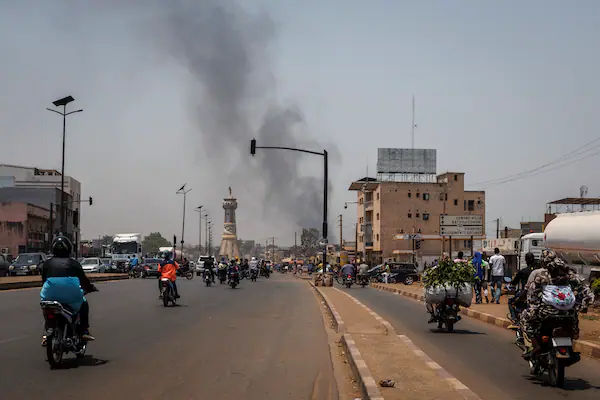
Mali, once a leader in the Alliance of Sahel States, is experiencing a decline in its leadership due to escalating insecurity. The nation faces significant threats stemming from the unresolved Tuareg question, a failing state apparatus, and the ineffectiveness of Russian support. This combination of factors has severely impacted the country's security landscape. The government in Bamako is under immense pressure as these challenges continue to mount. The initial hope placed in Russian assistance has not materialized into tangible improvements in security, leaving Mali in a precarious position. The persistent Tuareg issue continues to be a major destabilizing factor, contributing to the overall fragility of the state. The country's internal governance structures appear unable to adequately address these multifaceted crises. The erosion of Mali's leadership within the Sahel region is a direct consequence of these internal struggles.
Mali's current security challenges appear to be a complex interplay of internal governance deficits and the limitations of external security partnerships. The reliance on Russian support, while potentially offering a different approach to counter-insurgency, has evidently not yielded the desired stability, raising questions about the strategic alignment and operational effectiveness of such arrangements. The persistent Tuareg issue highlights the enduring need for political solutions that address underlying grievances, rather than solely focusing on military interventions. Moving forward, Mali's trajectory will likely depend on its ability to foster inclusive governance, address root causes of conflict, and cultivate security partnerships that are sustainable and aligned with national interests, considering the evolving geopolitical landscape of the next decade.
AI-generated to prompt reflection — not editorial opinion, not advice, not a statement of fact. How this works.