Malian Forces and Russian Allies Repel Attacks in Anéfis
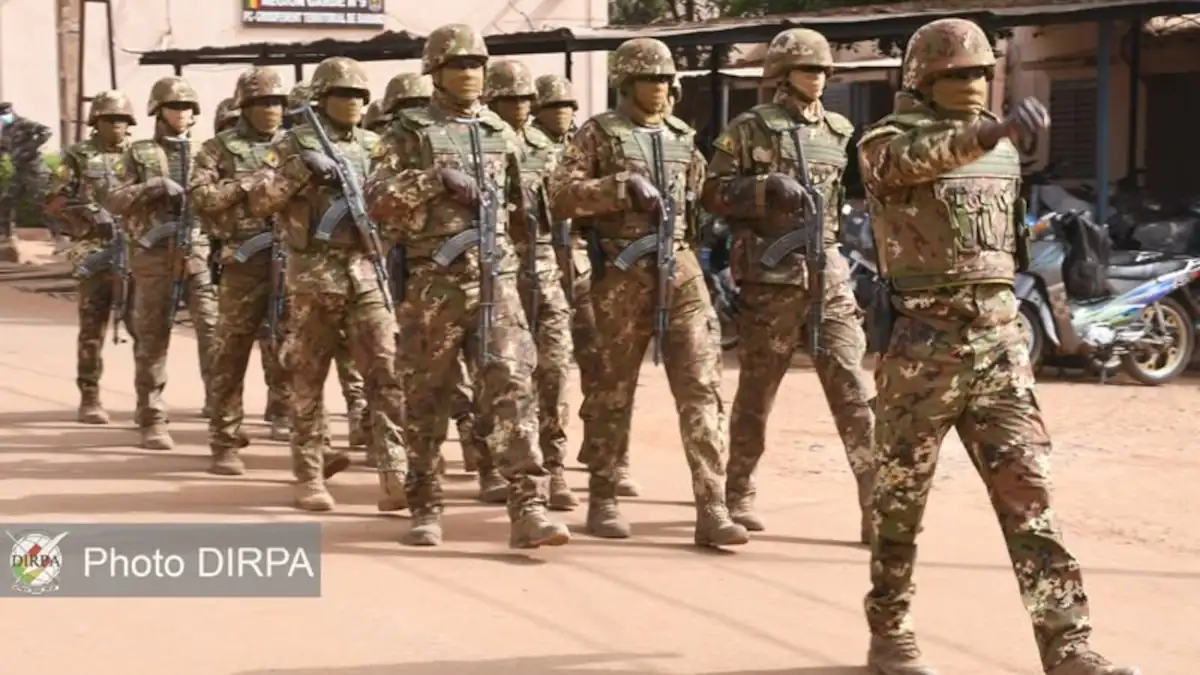
Military operations continue in northern Mali, with the Malian Armed Forces (FAMA) and their Russian partners from Africa Corps engaged in ongoing combat. For the past two days, fighting has centered around the military camp in Anéfis, located in the Kidal region. The clashes involve the FAMA and Africa Corps against the Front de libération de l’Azawad (FLA) and the Groupe de soutien à l’islam et aux musulmans (GSIM). The GSIM is an al-Qaeda-affiliated group. The FLA, a coalition of Arab and Tuareg movements, has been seeking greater autonomy for the Azawad region. This renewed conflict highlights the persistent instability in Mali's northern territories, despite previous efforts to establish peace and security. The involvement of foreign private military contractors alongside national forces underscores the complex geopolitical landscape influencing regional security dynamics.
The ongoing conflict in Anéfis, involving Malian forces, Russian Africa Corps, and insurgent groups like the FLA and GSIM, illustrates the persistent challenges in stabilizing northern Mali. The presence of both national military and foreign paramilitary actors reflects a strategy focused on kinetic responses to security threats. However, such approaches often fail to address the underlying political grievances and socio-economic factors driving instability in the region. The long-term effectiveness of military solutions, particularly those relying on external support, remains questionable without parallel efforts in governance, development, and inclusive political dialogue. Future security architectures in the Sahel may need to prioritize integrated strategies that combine security with sustainable development and conflict resolution mechanisms to foster lasting peace.
AI-generated to prompt reflection — not editorial opinion, not advice, not a statement of fact. How this works.