Mammal Identification Hinges on Specialized Teeth, Not Fur or Warm Blood
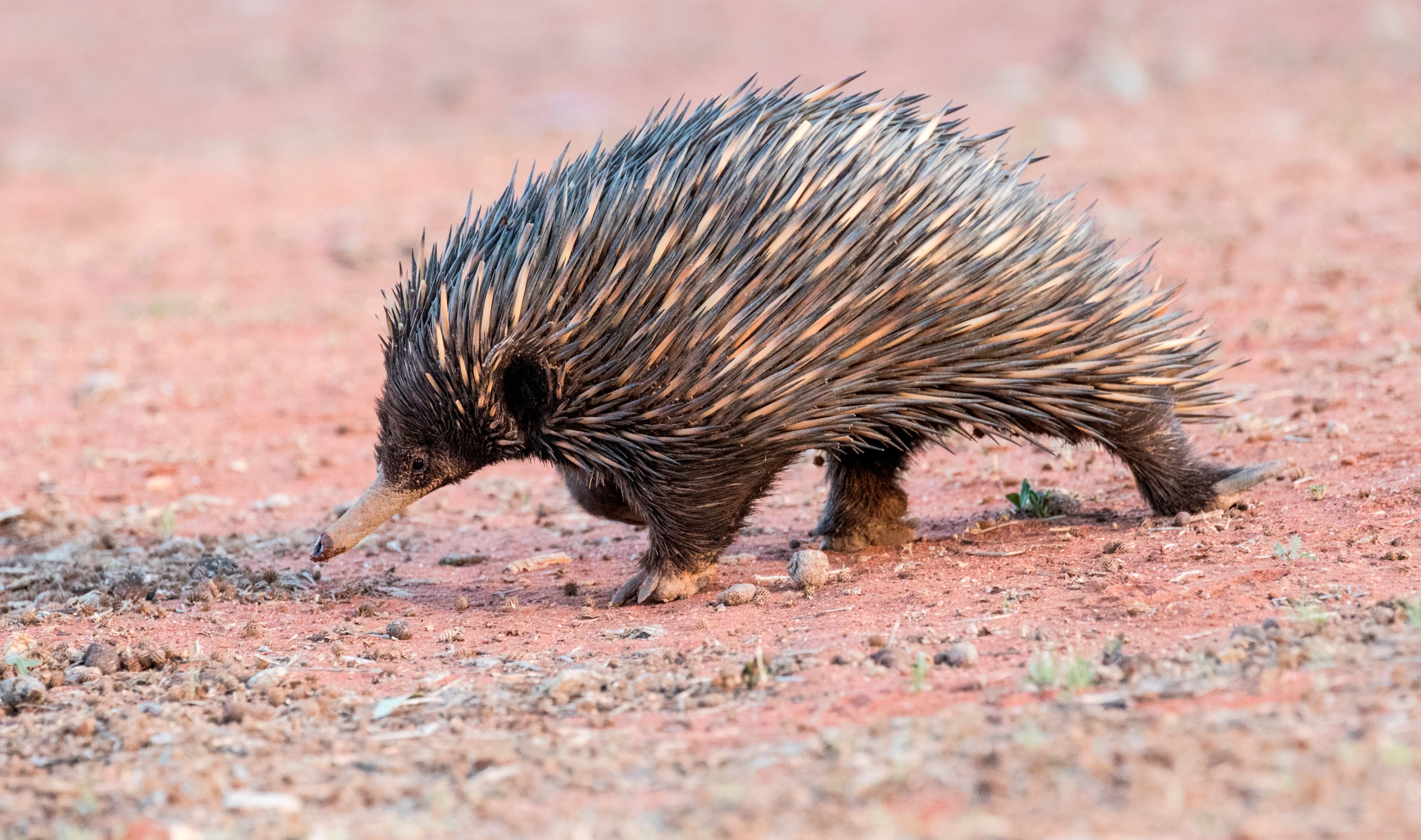
The defining characteristic of mammals is not their fur, mammary glands, or warm-bloodedness, but rather the development of a robust jaw equipped with specialized teeth. This dental specialization emerged as one of the earliest distinguishing features of the mammalian lineage. While external traits like fur and internal characteristics such as milk production and thermoregulation are commonly associated with mammals, the evolutionary evidence points to the jaw and tooth structure as a more fundamental marker. This indicates a significant evolutionary step in the development of mammals, highlighting the importance of dietary adaptations and feeding mechanisms in their early diversification. The study of mammalian evolution often relies on fossil records, where teeth are frequently well-preserved and provide crucial insights into the biology and evolutionary history of extinct species.
The identification of mammals based on dental morphology underscores the power of specialized biological structures in defining evolutionary lineages. This perspective shifts focus from commonly perceived traits to foundational anatomical developments that enabled early mammals to exploit diverse ecological niches. Examining such evolutionary markers can reveal how selective pressures related to diet and resource acquisition have historically driven diversification. Understanding these deep evolutionary roots is crucial for anticipating future adaptive strategies in the face of ongoing environmental changes and the accelerating pace of technological evolution, particularly in fields like bio-inspired AI and synthetic biology.
AI-generated to prompt reflection — not editorial opinion, not advice, not a statement of fact. How this works.