Man Accused of Fatal Kite String Incident Granted Provisional Liberty in Brazil
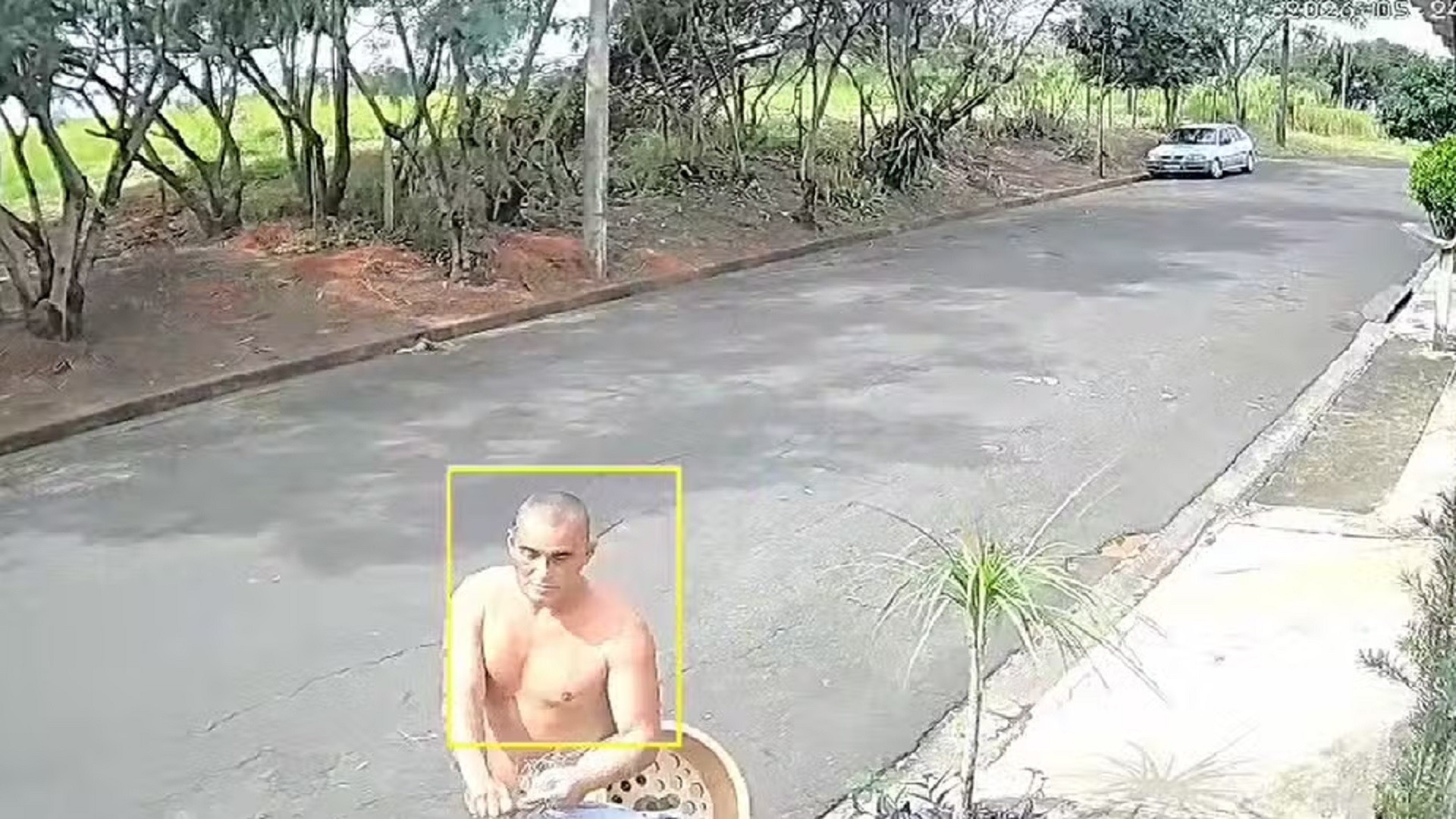
A court in Garça, São Paulo, Brazil, has granted provisional liberty to Leandro Donizetti de Oliveira, 38, who is accused of causing the death of a motorcyclist with a "linha chilena" (Chilean string). The incident occurred in May 2026, when Roberto Henrique Godoi Júnior, 40, was struck by the sharp kite string, lost control of his motorcycle, and died from his injuries. The court accepted the Public Ministry's indictment for qualified negligent homicide and procedural fraud, but allowed Oliveira to respond to the charges while free, subject to precautionary measures. These measures include monthly appearances at the forum, not leaving the judicial district for more than eight days without permission, and keeping his address updated. The trial and instruction hearing is scheduled for October 1, 2026. Security footage captured Oliveira flying a kite near the accident site on May 24, 2026, shortly before Godoi was hit. Other footage shows Oliveira asking a neighbor to hide the string, reportedly stating it had cut a man's neck. Oliveira was arrested on May 28, 2026, after a preventive detention request by the investigating delegate was granted by the court.
This case highlights the critical intersection of recreational activities and public safety, particularly concerning the use of potentially lethal materials like "linha chilena." The judicial decision to grant provisional liberty, supported by the Public Ministry, indicates a legal framework that balances the presumption of innocence with the need for accountability. The prosecution's charges of qualified negligent homicide and procedural fraud suggest a focus on the defendant's alleged actions and intent. Moving forward, the legal process will aim to establish the causal link between the defendant's kite string and the fatality, while also considering the broader implications for regulations governing such materials. This event underscores the systemic challenge of managing risks associated with emerging or unregulated hazardous items in public spaces, prompting a need for proactive risk assessment and potential policy interventions to prevent future tragedies.
AI-generated to prompt reflection — not editorial opinion, not advice, not a statement of fact. How this works.