Man Arrested for Abandoning Over Ten Puppies on a Roadside in Mato Grosso
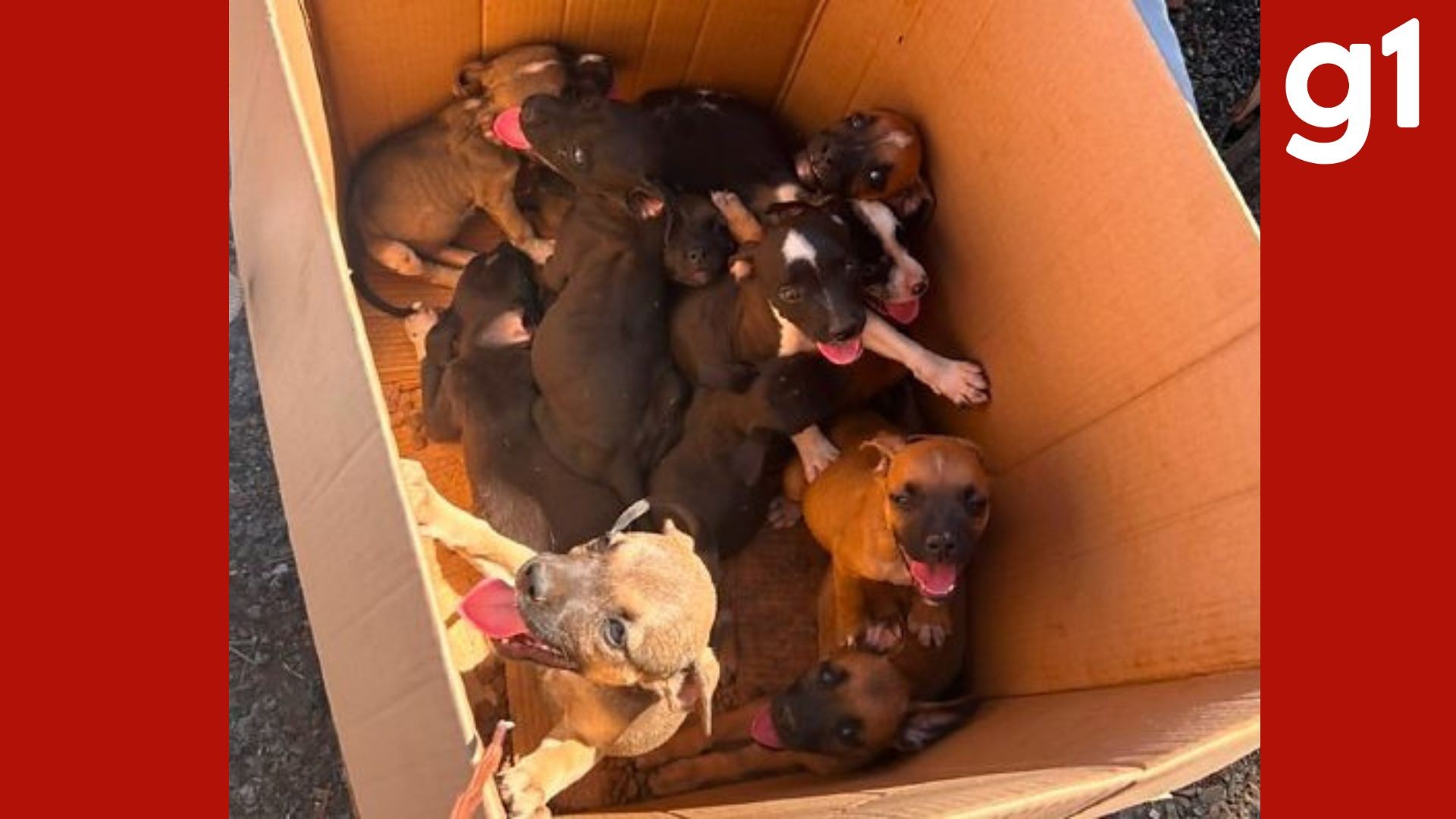
Authorities in Lucas do Rio Verde, Mato Grosso, Brazil, arrested a man on Sunday, May 26th, for abandoning more than ten puppies along the Lago Romancini road. The incident was captured on security cameras, showing two men exiting a car and leaving a cardboard box with the puppies near a trash container before driving away. Municipal Civil Guard (GCM) investigations began immediately after the footage circulated. Fortunately, the puppies were discovered shortly after being abandoned and were rescued, preventing them from suffering exposure to cold, lack of food, and other dangers. The GCM identified one of the individuals involved and apprehended him at his residence. The second suspect, also visible in the recordings, remains unidentified and will face investigation upon his capture. Abandoning animals is classified as a crime of mistreatment under Brazilian law, carrying potential prison sentences and fines. This event sparked outrage among local residents and highlighted the critical need for responsible pet ownership. Authorities urge the public to report any instances of animal abandonment or mistreatment to law enforcement and animal protection agencies. In a separate incident on Friday, May 24th, three puppies were rescued in Barra do Garças, Mato Grosso, after being found confined in a pen without food or water, prompting legal action against their guardians for disturbing the peace and negligence.
This incident underscores a persistent societal challenge regarding animal welfare and responsible pet ownership, particularly in the face of increasing urbanization and potential economic pressures on individuals. The legal framework in Brazil criminalizes animal abandonment, yet the recurrence of such events suggests a gap between legislation and effective prevention, potentially related to public education, access to affordable pet care, and robust enforcement mechanisms. From a systems perspective, the event highlights the strain on municipal animal control resources and the ethical considerations surrounding pet breeding and acquisition. Looking ahead, the increasing integration of AI in surveillance and data analysis could potentially aid in identifying perpetrators more rapidly, but the core issue remains a societal one, requiring a multi-faceted approach that includes education, accessible veterinary services, and community support programs to foster a culture of empathy and accountability towards companion animals.
AI-generated to prompt reflection — not editorial opinion, not advice, not a statement of fact. How this works.