Man Arrested for Allegedly Using Counterfeit Parking Permit
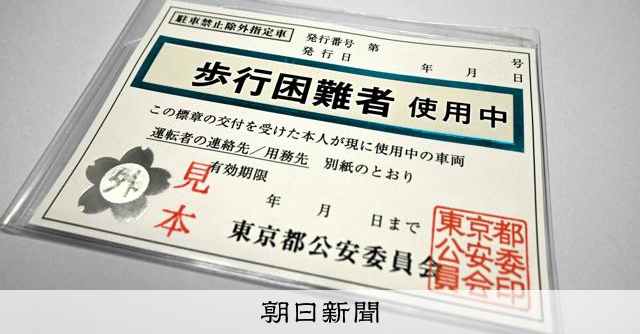
A man has been arrested in Japan on suspicion of illegally using a "parking prohibition exclusion permit." The permit, often issued to individuals with disabilities or specific needs, allows vehicles to park in areas normally restricted. Authorities allege the suspect utilized a counterfeit version of this permit. This incident highlights an ongoing issue with the misuse of these special parking permits, which are designed to provide essential accessibility. The problem of forged or improperly used permits has been a persistent concern, leading to investigations and arrests. The specific details of how the copy was made or used are part of the ongoing investigation. This case underscores the importance of vigilance in preventing the abuse of permits intended for legitimate beneficiaries. The legal ramifications for such misuse can be severe, including fines and potential jail time. Authorities are working to address the systemic vulnerabilities that allow these permits to be exploited.
The persistent misuse of parking permits, particularly those granting exemptions in restricted zones, points to a systemic challenge in balancing accessibility needs with enforcement integrity. The reliance on physical permits, even with advanced security features, presents an ongoing vulnerability to counterfeiting and fraudulent use. This situation creates an inequitable environment for those genuinely entitled to the permits and can impede traffic flow and public safety. Future solutions may involve exploring more robust digital identification systems for permit holders, coupled with enhanced data-sharing protocols between issuing authorities and enforcement agencies. Such technological shifts could significantly reduce opportunities for fraud while streamlining the verification process, ultimately reinforcing the integrity of accessibility programs.
AI-generated to prompt reflection — not editorial opinion, not advice, not a statement of fact. How this works.