Man Arrested for Animal Cruelty in Marília, Fined R$25,300
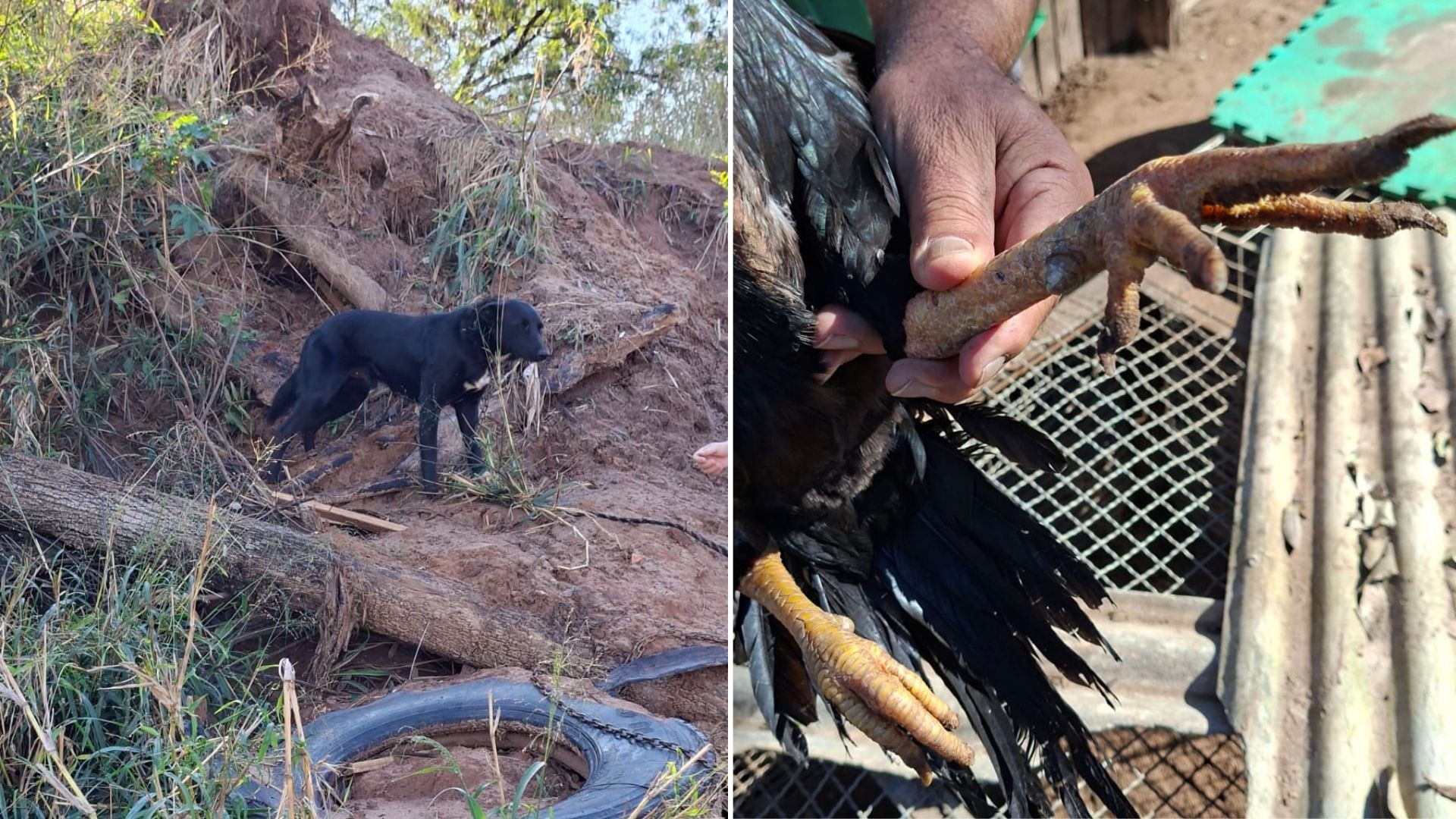
Authorities in Marília, São Paulo, arrested a man on Sunday, November 27th, for animal cruelty and environmental degradation. The arrest occurred during a police operation in a permanent preservation area along the Via Expressa, prompted by a denunciation. Officers discovered two dogs and six roosters in a state of mistreatment, along with an unauthorized pigsty housing approximately 50 pigs within the protected zone. The presence of these animals was hindering native vegetation regrowth, and irregular area clearing constituted environmental damage, resulting in a R$1,300 fine. The pigs were seized but left with the responsible party as a custodian. The dogs, a mixed-breed and a bulldog, were found tethered by chains and ropes around their necks, in unsanitary conditions lacking water, food, and adequate shelter. A veterinarian confirmed the mistreatment. The six roosters showed signs of mutilation, including cut spurs, indicating handling inconsistent with animal protection laws. For these offenses, a fine of R$24,000 was imposed. The dogs and roosters were confiscated and transferred to a specialized facility for care. The case was registered at the Marília Judicial Police Station, and the man remains in custody, facing charges under the Environmental Crimes Law.
This incident highlights the intersection of animal welfare and environmental protection regulations. The enforcement action, stemming from a citizen complaint and executed under multi-agency operations, underscores the increasing focus on combating illegal activities within protected areas. The penalties imposed, including significant fines and animal confiscation, reflect a growing societal intolerance for animal mistreatment and environmental damage. Future considerations may involve examining the effectiveness of custodian arrangements for seized livestock and the systemic incentives that lead to such infractions within legally designated preservation zones. Addressing these issues proactively could involve enhanced monitoring, community education programs, and stricter penalties for repeat offenders to ensure both ecological integrity and humane treatment of animals.
AI-generated to prompt reflection — not editorial opinion, not advice, not a statement of fact. How this works.