Man Arrested for Assaulting Partner and Injuring Police Officer in Campo Limpo Paulista
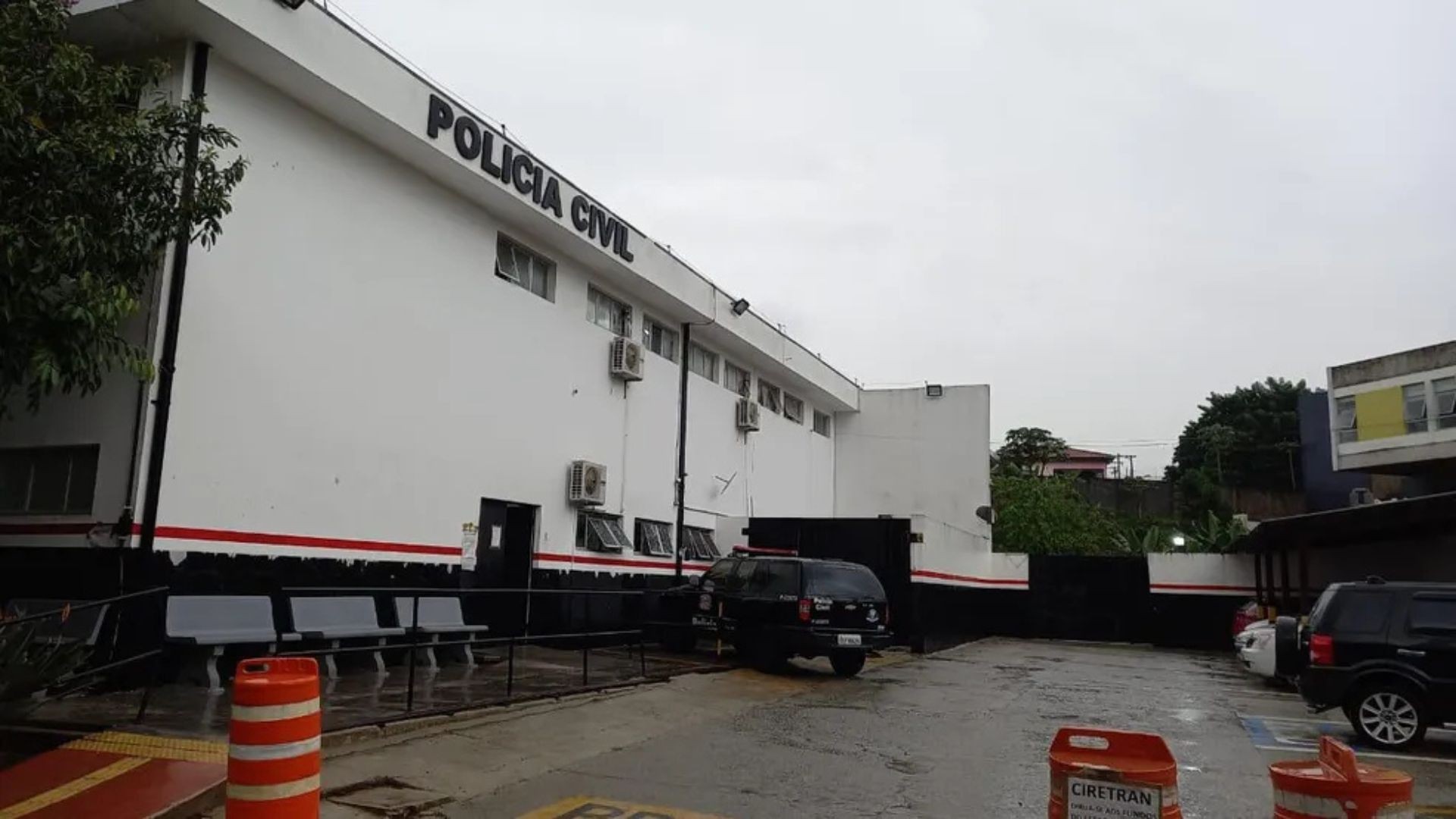
A 44-year-old man was arrested in Campo Limpo Paulista, São Paulo, on Sunday, May 26th, for allegedly assaulting his 34-year-old partner and resisting arrest, which resulted in a police officer sustaining a fractured finger. Military police responded to a public disturbance around 4:20 AM in the Parque Internacional neighborhood, where they witnessed the suspect punching and throwing his partner against a parked car. The victim stated that the altercation began on their way home from a barbecue after an argument about the suspect's reckless driving. The violence escalated when the man kicked their dog upon arriving home, leading to physical aggression. During the police intervention, the suspect resisted, leading to the use of a baton to subdue him. In the process, a police officer suffered a fracture and dislocation of his right hand fingers. All parties involved, including the injured officer, the victim, and the suspect, were taken to the Hospital de Clínicas for medical attention. At the police station, the suspect denied assaulting his partner, claiming she fell and injured herself, and described the confrontation with the police as a misunderstanding. The delegate formally arrested the man for domestic violence and assault against a police officer. The victim has requested protective measures due to fear for her safety, and the suspect remains in custody.
This incident highlights the critical intersection of domestic violence, public intoxication, and law enforcement response. The suspect's alleged actions, including escalating violence towards his partner and then resisting arrest, demonstrate a disregard for personal safety and legal authority. The victim's request for protective measures underscores the ongoing threat she faces, necessitating robust legal and social support systems. The injury to the police officer underscores the inherent risks faced by law enforcement personnel intervening in volatile domestic situations. Future interventions may benefit from enhanced de-escalation training and protocols that prioritize officer safety while ensuring effective response to domestic abuse. The suspect's denial and minimization of his actions, despite direct witness accounts and physical evidence, points to a common pattern of behavior in such cases, posing challenges for judicial processes and rehabilitation efforts.
AI-generated to prompt reflection — not editorial opinion, not advice, not a statement of fact. How this works.