Man Arrested for Assaulting Wife with Nunchaku While Intoxicated in Avaré, SP
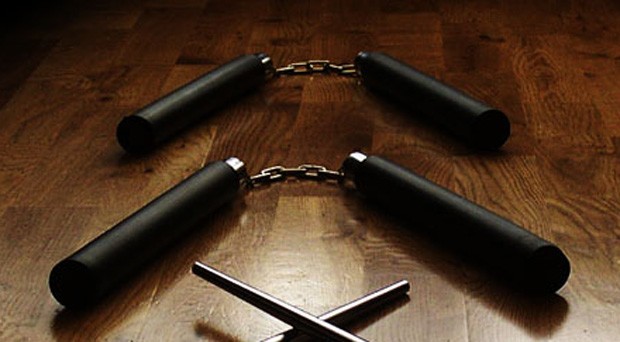
A man was arrested in Avaré, São Paulo, on Monday, May 27th, for allegedly assaulting his wife with a nunchaku while intoxicated. The incident occurred around 6:30 PM when the Military Police were called to respond to domestic violence. Neighbors reported that the man used the martial arts weapon against the woman, causing injuries to her left hand. The victim confirmed the assault to the police, stating she had been living with the suspect for approximately 14 years. She explained that the altercation began after she picked him up from a bus stop and noticed he was intoxicated. Upon returning home, he allegedly demanded soup, leading to an argument. During the fight, he reportedly grabbed the nunchaku and attacked her, resulting in multiple injuries and swelling. The woman managed to escape to the street and call the police. She also reported that her partner threatened to kill her, stating that if they separated, "one of them would end up dead," and that he would kill her upon release from prison. The victim expressed interest in urgent protective measures, including the aggressor's removal from the home and a prohibition of contact. The suspect was apprehended by the Military Police near their residence, described as agitated and posing a flight risk. He remained silent during questioning at the police station and was arrested in flagrante delicto for bodily harm and threat under the Maria da Penha Law. The nunchaku used in the assault was seized by the Civil Police.
This incident highlights the critical intersection of alcohol consumption, domestic disputes, and the escalation of violence, particularly when weapons are involved. The legal framework, such as the Maria da Penha Law, aims to provide protection and recourse for victims of domestic violence in Brazil. However, the repeated nature of such incidents suggests ongoing challenges in prevention, intervention, and enforcement. Future considerations may involve enhanced support systems for individuals struggling with substance abuse within relationships, alongside more robust mechanisms to address the underlying causes of domestic aggression and ensure the effective implementation of protective measures. The long-term societal impact of such violence, especially on children exposed to it, underscores the need for comprehensive strategies that address both immediate safety and the systemic factors contributing to these cycles.
AI-generated to prompt reflection — not editorial opinion, not advice, not a statement of fact. How this works.