Man Arrested for Attempted Phone Theft at São Paulo Metro Station Entrance
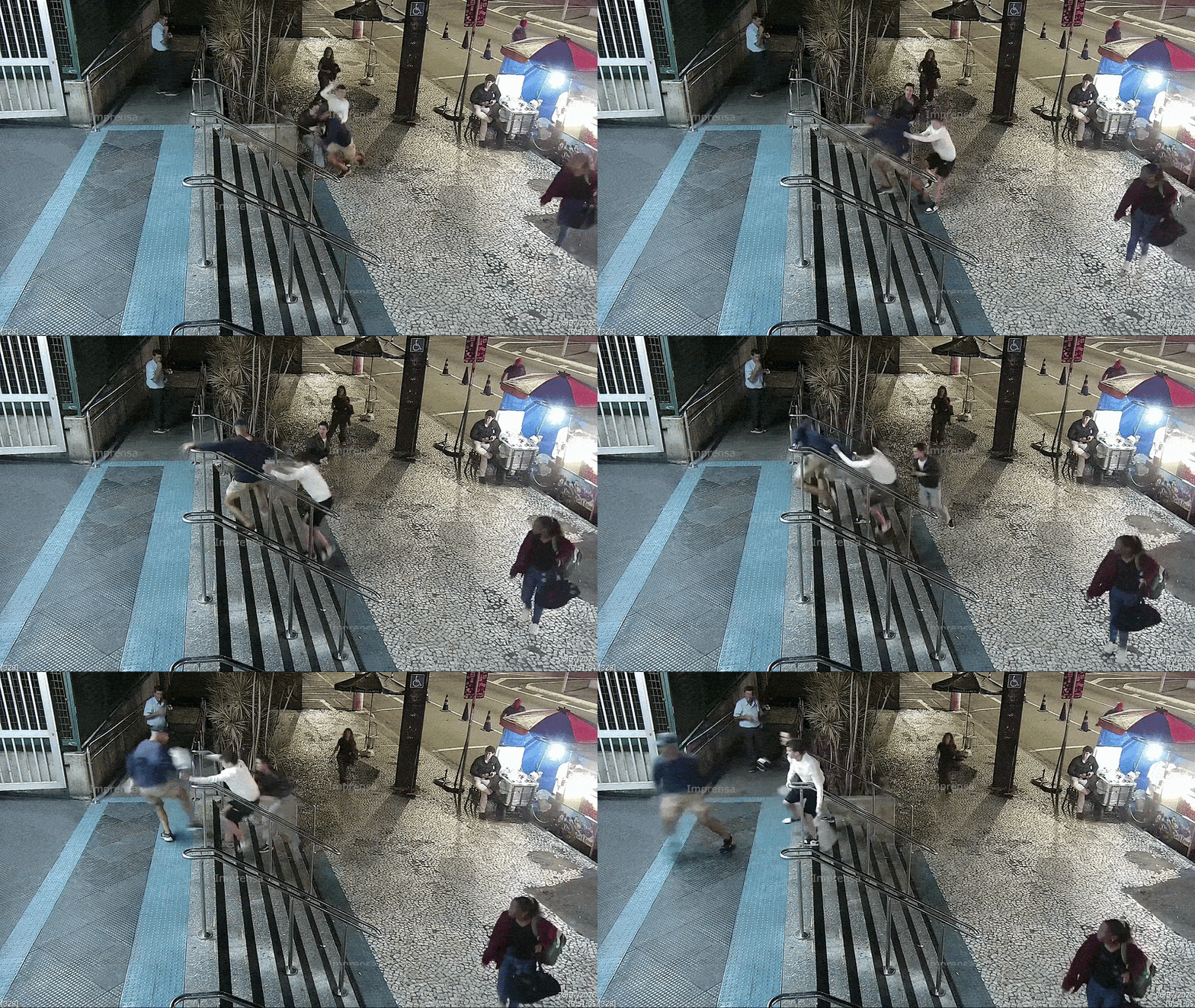
An 18-year-old man was arrested on Sunday evening, May 26th, for attempting to steal a cellphone from a 19-year-old victim at the entrance of the Tucuruvi Metro station on Line 1-Blue in São Paulo's North Zone. The incident occurred around 6:50 PM on Avenida Doutor Antônio Maria Laet. According to the Secretariat of Public Security (SSP), the suspect approached the victim, who was waiting for a ride-share with his brother, announced the robbery, and demanded the phone. During the struggle to prevent the theft, the victim's brother was punched in the face but managed to hold onto the device. The suspect failed to obtain the cellphone and fled towards the station's turnstiles. Metro security agents, alerted by shouting and a man running, apprehended the suspect. The stolen iPhone, valued at R$13,000, was recovered and returned to the owner. The suspect was charged with attempted robbery, and authorities have requested his pre-trial detention. The incident was registered at the 73rd Police District (Jaçanã).
This incident highlights the persistent challenge of petty crime in public transit spaces, even with security presence. The swift apprehension of the suspect and recovery of the high-value item demonstrate the effectiveness of on-site security protocols. However, the event also underscores the risks faced by commuters and the potential for escalation, as evidenced by the assault on the victim's brother. Future considerations for transit authorities may include enhanced surveillance, community outreach programs to address underlying socioeconomic factors contributing to such crimes, and ongoing evaluation of security personnel deployment to optimize response times and deterrence in high-traffic areas. The legal process initiated, including the request for preventive detention, reflects a societal response aimed at addressing both immediate public safety concerns and longer-term crime prevention strategies within the urban environment.
AI-generated to prompt reflection — not editorial opinion, not advice, not a statement of fact. How this works.