Man Arrested for Environmental Crime at Clandestine Bottle Washing Business in Campinas
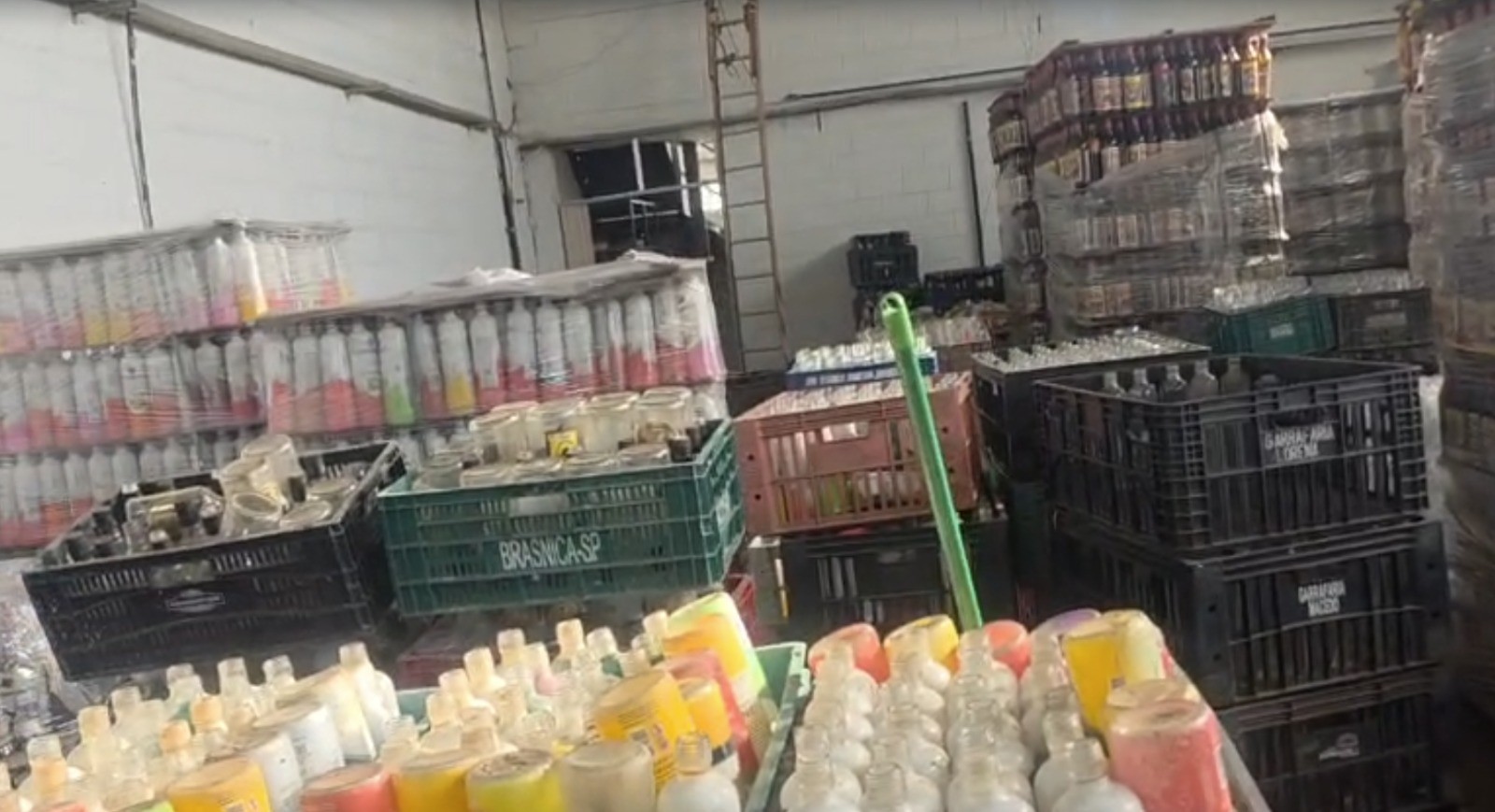
Authorities in Campinas, São Paulo, Brazil, arrested a man on Monday, June 6th, for environmental crimes committed at an illegal glass bottle washing operation. The arrest followed an anonymous tip alleging the improper use of chemical products at the facility located in the Jardim Campo Grande neighborhood. During the operation, police seized approximately 25,000 bottles along with the cleaning agents used. Investigations by the Civil Police revealed that the business lacked the necessary legal permits and authorizations to operate. It was found to be functioning without approvals from key municipal and state bodies, including the City Hall, Health Surveillance, the Water Supply and Sanitation Company (Sanasa), and Infrastructure Security. The owner was taken to the police station and formally charged with using toxic, dangerous, or harmful substances to human health and the environment, contrary to legal regulations. He was subsequently released on bail and will face the legal proceedings as a free individual. Forensic experts were called to the scene to conduct an analysis of the premises.
This incident highlights the potential environmental and public health risks associated with unregulated commercial activities, particularly those involving chemical substances. The clandestine nature of the operation suggests a disregard for established regulatory frameworks designed to protect both the environment and consumer safety. The prompt response to an anonymous tip indicates the importance of citizen reporting in identifying and addressing such violations. Moving forward, strengthening oversight mechanisms and increasing public awareness about the legal requirements for businesses handling potentially hazardous materials could mitigate future occurrences. This case also underscores the tension between economic activity and environmental stewardship, prompting consideration of how to balance business development with robust regulatory enforcement.
AI-generated to prompt reflection — not editorial opinion, not advice, not a statement of fact. How this works.