Man Arrested for Operating Clandestine Alcohol Forgery Operation in Hortolândia Home
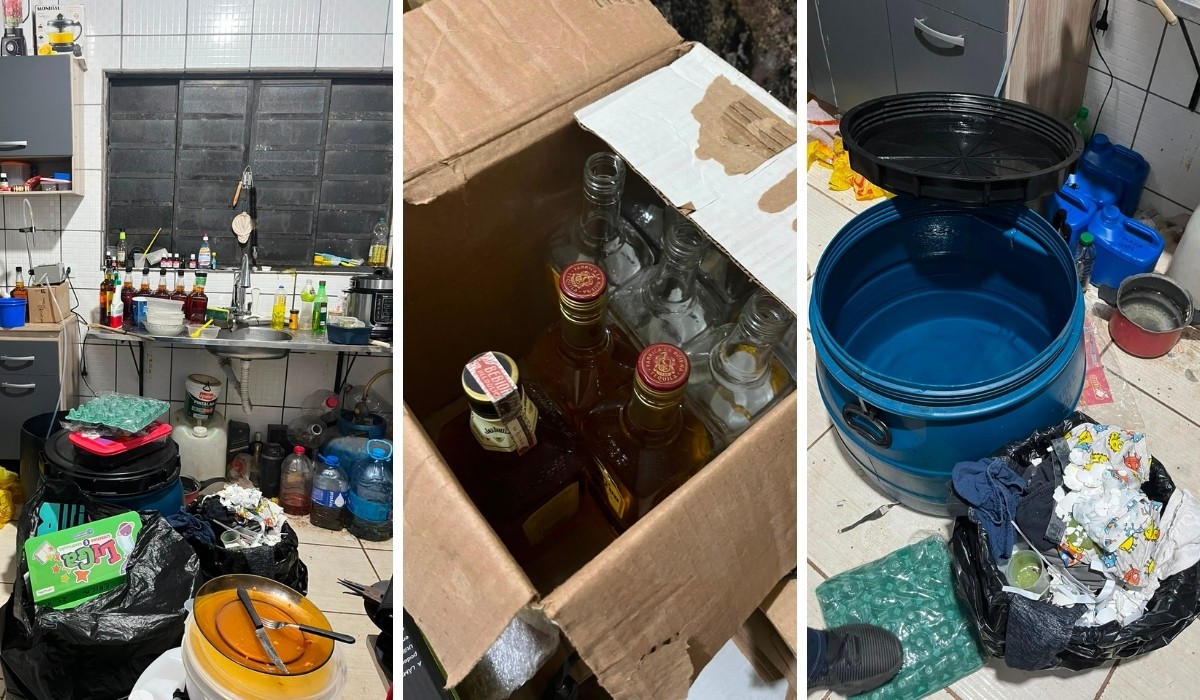
A 27-year-old man was arrested on Tuesday, May 7th, in Hortolândia, São Paulo, for allegedly operating an illegal alcohol counterfeiting factory within his residence. The clandestine operation was discovered in the Chácara do Recreio neighborhood by the Civil Police during an investigation. The operation, supported by the Brazilian Association of Beverages (Abrabe), was authorized by a judicial search and seizure warrant. Police described the facility, located in a six-room house on Rua Uirapuru, as a 'fabriqueta' filled with various counterfeiting equipment. Abrabe issued a report confirming the products were fake. Seized items included 18 bottles with well-known brand labels, approximately 400 empty bottles, four gallons of essence, five gallons of ethyl substance, 24 small bottles of liquid essence, powdered dye, and hundreds of caps, packaging materials, labels, and seals. Three cell phones and a laptop were also confiscated. The suspect's six-year-old son and partner were present in the home; the partner stated she had lived there for eight months and denied involvement. The suspect had previously been investigated for a similar crime in 2023. The case was registered at the 11th District Police Station in Campinas, and the suspect will face charges for falsifying consumable substances and industrial property crimes. The seized materials will be stored by Abrabe.
This incident highlights the persistent challenge of illicit production and distribution of consumer goods, particularly alcohol, which poses significant public health risks and undermines legitimate businesses. The operation within a residential setting underscores the need for robust intelligence gathering and inter-agency cooperation to detect and dismantle such clandestine activities. From a market perspective, the existence of such operations indicates a demand for lower-cost alternatives, potentially driven by taxation or regulatory burdens on legal products. Addressing this issue effectively requires a multi-pronged approach, including stringent enforcement, consumer education on the dangers of counterfeit goods, and potentially a review of the economic factors that incentivize illicit production. The long-term societal impact involves protecting consumer safety and ensuring fair market competition.
AI-generated to prompt reflection — not editorial opinion, not advice, not a statement of fact. How this works.