Man Arrested for Operating Clandestine Gun Workshop in Presidente Prudente
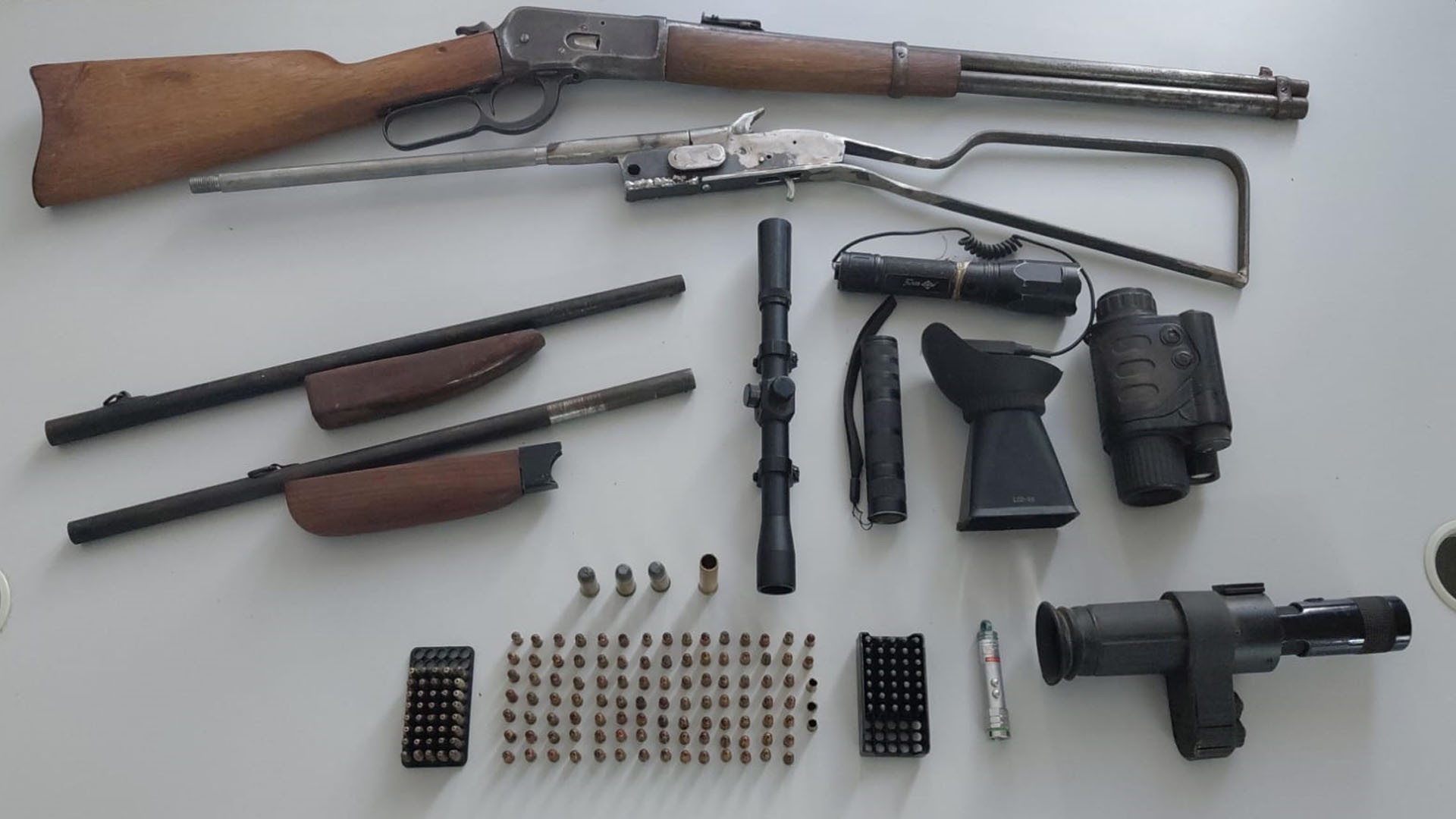
Authorities in Presidente Prudente, São Paulo, Brazil, arrested a 50-year-old man on Tuesday, May 21st, for allegedly operating an illegal firearms workshop on a rural property. The arrest followed an anonymous tip to the Environmental Military Police, suggesting the man, who works as a foreman on the property, was involved in the unauthorized maintenance, repair, and artisanal manufacturing of firearms and ammunition. Initially, the suspect presented a caliber .44 shotgun, claiming it belonged to an acquaintance who left it for servicing, while denying current involvement in gun maintenance. A subsequent search of the property uncovered additional items, including a homemade caliber .22 shotgun, various ammunition (both commercial and artisanal), and accessories such as a telescopic sight, night vision monoculars, and other parts. The man admitted to manufacturing the caliber .22 shotgun for personal defense and did not possess any legal documentation for the firearms. In total, police seized one caliber .44 shotgun, one homemade caliber .22 shotgun, 100 artisanal caliber .22 rounds, 75 commercial caliber .22 rounds, three caliber .22 spent casings, two caliber .44 rounds (permitted use), one caliber .44 round (restricted use/Magnum), one caliber .16 spent casing, along with various accessories. During questioning at the Presidente Prudente Police Station, the man confessed to performing occasional maintenance work on airguns, using a mechanical lathe on his property to supplement his income. The case is being investigated for illegal firearms trading, illegal possession of restricted ammunition, and clandestine ammunition production. Authorities have requested the suspect's provisional release with precautionary measures imposed by the court.
The apprehension of an individual for operating an unlicensed firearms workshop highlights systemic challenges in regulating the proliferation of weapons. While the suspect claims to have engaged in artisanal manufacturing and repair for supplementary income, the presence of various calibers, including restricted ones, and specialized equipment raises questions about the scale and intent behind these activities. This incident underscores the ongoing tension between individual rights, the potential for illicit arms markets, and the state's responsibility for public safety. Future regulatory frameworks may need to consider more robust oversight of specialized tools and materials that can be repurposed for clandestine arms production, alongside efforts to address the economic incentives that might drive such activities.
AI-generated to prompt reflection — not editorial opinion, not advice, not a statement of fact. How this works.