Man Arrested for Receiving Stolen TV After Refusing to Return It in Minas Gerais
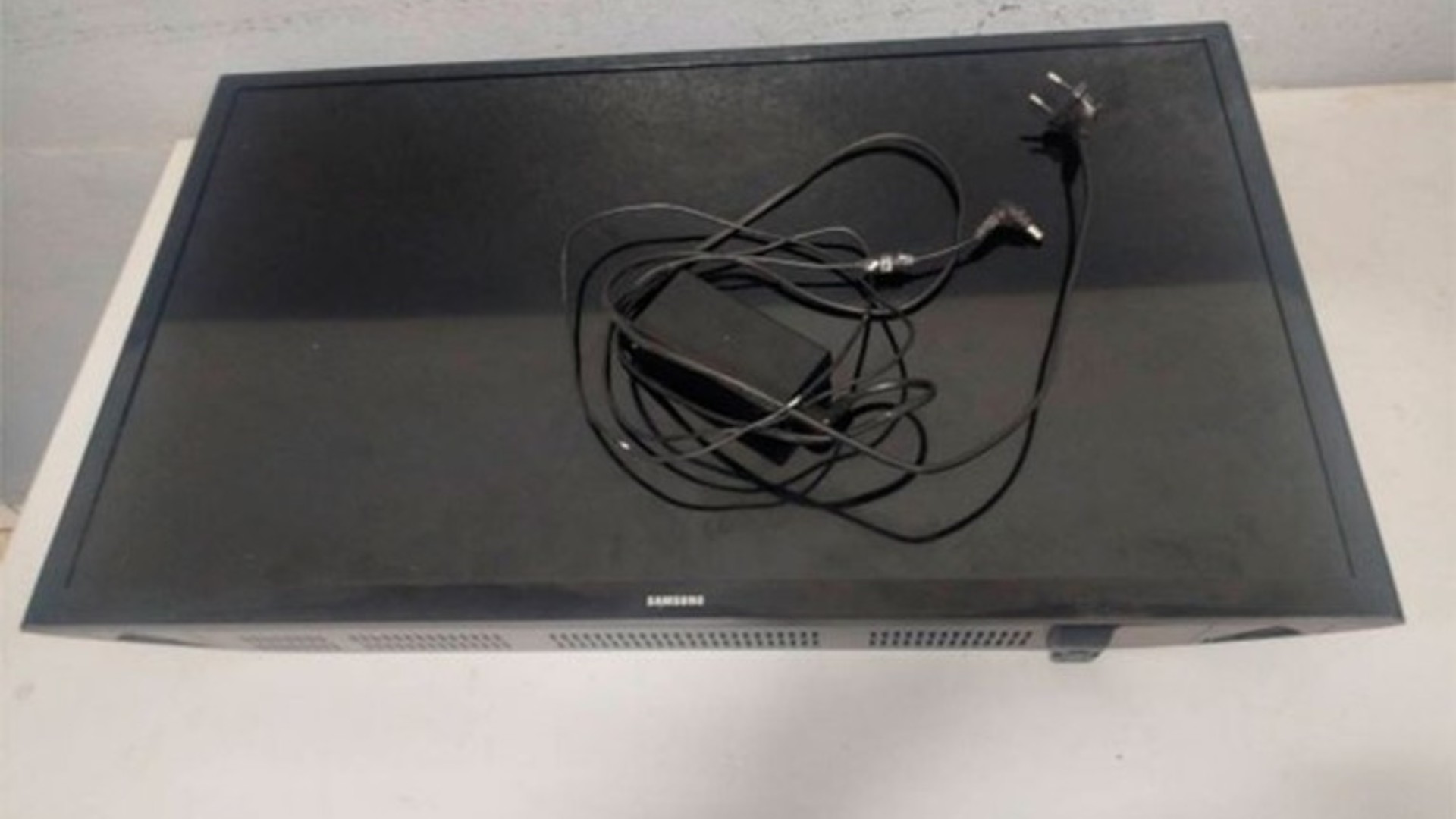
A 56-year-old man was arrested in Patos de Minas, Minas Gerais, on Thursday, July 16th, for receiving stolen property after he refused to return a stolen television to its owner. The 32-inch TV had been stolen on July 12th. The owner learned the television had been sold to a resident of the Sebastião Amorim neighborhood and went to his home. The man admitted to purchasing the TV for R$200 from someone he believed was involved in the theft, having seen it advertised in front of a local bar. He initially promised to return it the next day but then refused when the owner returned. The owner then contacted the Military Police. Upon arrival, the man eventually led officers to the television, which the owner identified. He was arrested for receiving stolen goods and taken to the Civil Police station, where the TV was also brought for evidence before being returned to the owner. Witnesses told the police that the man is known for buying items of criminal origin and might be involved in other crimes. A search of his home by the Rocca unit found no other illicit materials. Police believe the man who sold him the TV is the same suspect who committed the original theft on July 12th, and the Civil Police are investigating the case.
This incident highlights the legal ramifications of purchasing goods without verifying their provenance, even at a discounted price. The man's arrest underscores the crime of 'receptação' (receiving stolen property), emphasizing that ignorance of illicit origin is not a defense if reasonable due diligence should have revealed it. The situation also points to a potential market for stolen goods, suggesting that demand fuels supply. The police's investigation into the man's broader alleged involvement in criminal activities indicates a systemic issue within the community, possibly linked to socioeconomic factors that may drive both theft and the fencing of stolen items. Future efforts could focus on disrupting this cycle through increased community policing, educational campaigns on the risks of purchasing unverified goods, and addressing underlying socioeconomic drivers.
AI-generated to prompt reflection — not editorial opinion, not advice, not a statement of fact. How this works.