Man Arrested for Sexual Harassment After Photographing Women Under Skirts in Brazil
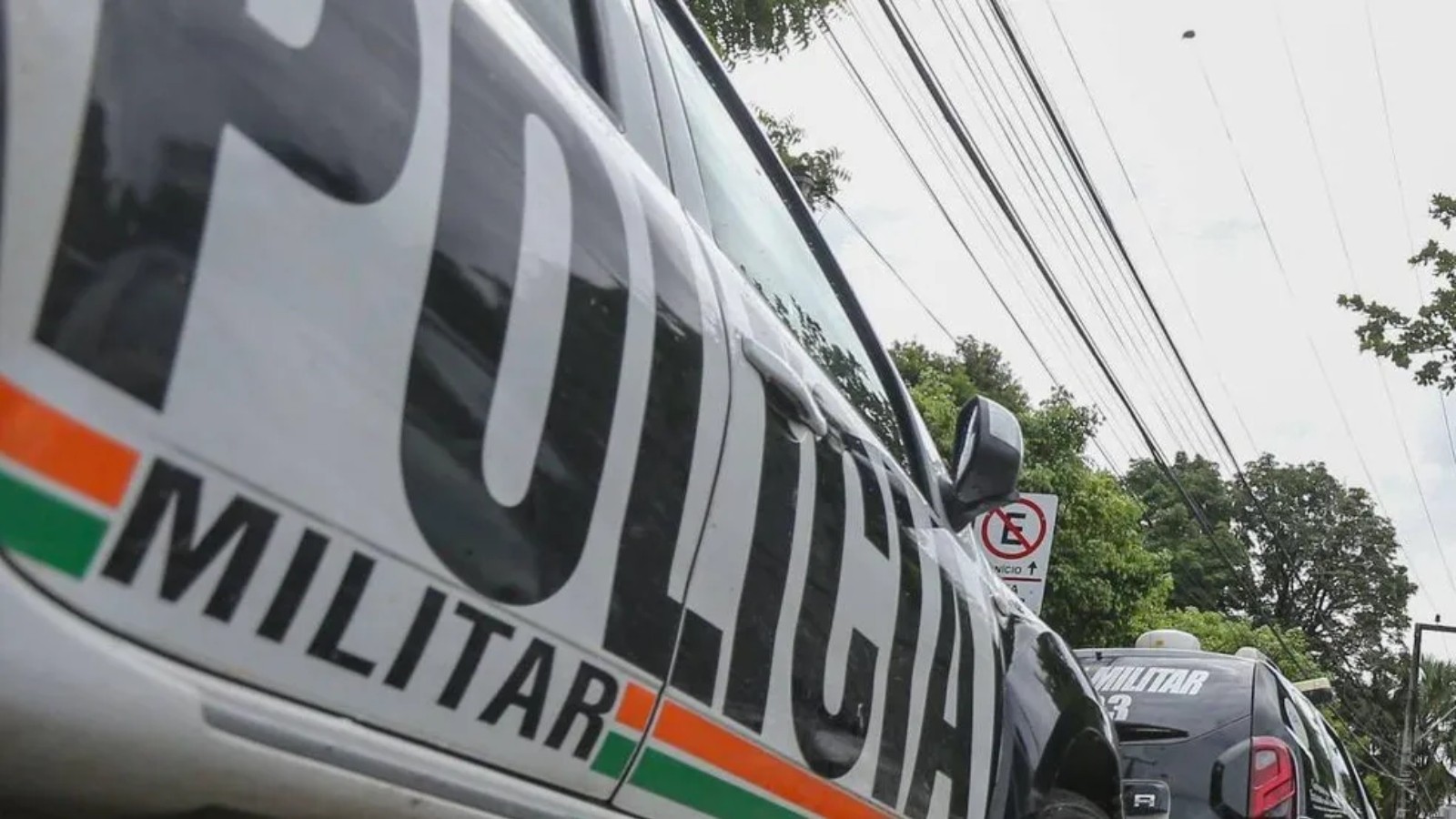
A 56-year-old man was arrested on Saturday, June 1st, in Iguatu, Ceará, Brazil, on suspicion of sexual harassment. He was apprehended after allegedly photographing women's intimate parts without their consent inside a store in the city center. Police were initially called to a disturbance at the shop, where they found the suspect being restrained by bystanders and the victims. The victims reported that the man would follow them and use his mobile phone to take intimate images while they were wearing skirts. According to police, the suspect intentionally dropped objects to the ground and took photos as he bent down to retrieve them. He resisted arrest, requiring the use of force and handcuffs to subdue him. The man also damaged his own cell phone by throwing it on the ground during his arrest. The victims, identified as a woman, her minor daughter, and a friend, had been shopping for clothes when they noticed the man's behavior. All parties were taken to the Regional Delegation of Iguatu, and the case was forwarded to the city's Women's Defense Police Station. The man was charged with sexual harassment and is currently in judicial custody.
This incident highlights the persistent issue of sexual harassment and the challenges in its prevention and prosecution. The suspect's alleged method of using dropped objects to facilitate covert photography demonstrates a calculated approach to violating personal boundaries. The swift apprehension by bystanders and victims underscores the importance of community intervention, while the suspect's resistance and destruction of evidence point to the difficulties law enforcement faces in gathering irrefutable proof in such cases. Moving forward, technological solutions for enhanced public space surveillance, coupled with robust legal frameworks and public awareness campaigns, will be crucial in deterring and addressing such offenses. The case also underscores the need for accessible and supportive reporting mechanisms for victims, particularly in preventing further harm and ensuring accountability within the justice system.
AI-generated to prompt reflection — not editorial opinion, not advice, not a statement of fact. How this works.
