Man Arrested for Suspected Arson in Washington State Wildfires
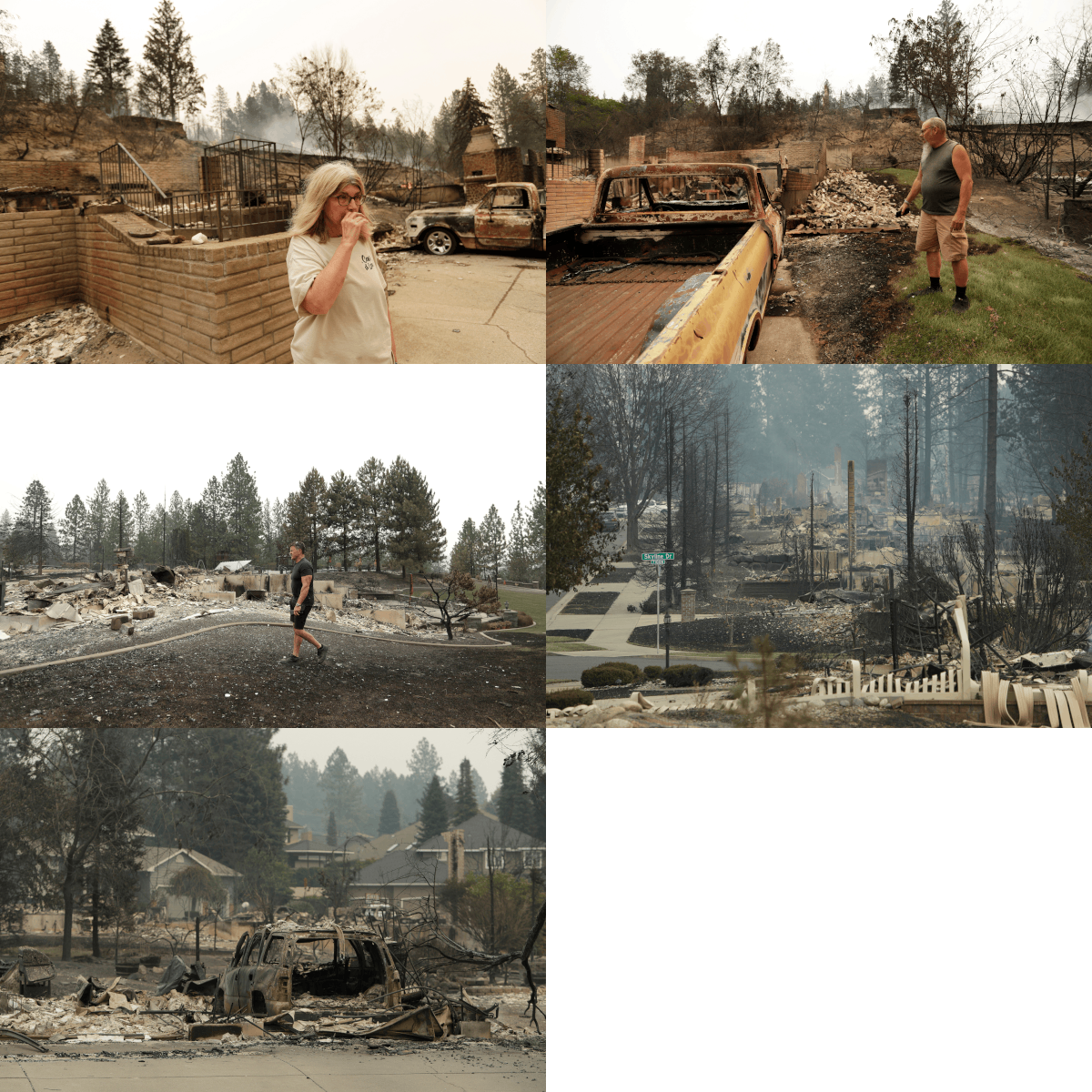
Authorities in Spokane County, Washington, have arrested 37-year-old Aaron F. Farinacci on suspicion of first-degree arson. He is accused of starting the Old Trails Fire, the largest of three devastating wildfires burning near Spokane. The fires have collectively destroyed at least 700 buildings and forced approximately 67,000 residents to evacuate the area surrounding the state's second-largest city. The cause of the other two fires remains undetermined, and all three are currently out of control. The arrest followed a tip from a resident who reported seeing a nervous man near the fire's origin. Although initially released, detectives identified Farinacci again after reviewing body camera footage and reports. Investigators confirmed the fire began at the location described by the witness. Farinacci was found with matches and a butane lighter at the time of his detention. Sheriff John Nowels credited vigilant citizens for the swift apprehension. Farinacci's first court appearance was scheduled for Tuesday, September 4th. He has a prior conviction for aggravated vehicular homicide in Arizona. It is not yet known if he has legal representation.
This event highlights the critical role of citizen vigilance in public safety, particularly in managing wildfire risks exacerbated by climate change and human activity. The swift arrest, facilitated by eyewitness accounts and subsequent review of evidence, underscores the importance of robust community-police relations and effective investigative protocols. As wildfire seasons intensify, the focus shifts to proactive prevention strategies, including public education on fire safety and potentially enhanced surveillance in high-risk areas. The legal system faces the challenge of balancing due process with the urgent need to hold individuals accountable for actions that endanger lives and property, while also considering the underlying factors that may contribute to such destructive behavior.
AI-generated to prompt reflection — not editorial opinion, not advice, not a statement of fact. How this works.
