Man Arrested for Using AI to Create Fake Cancer Fundraisers with Child Images
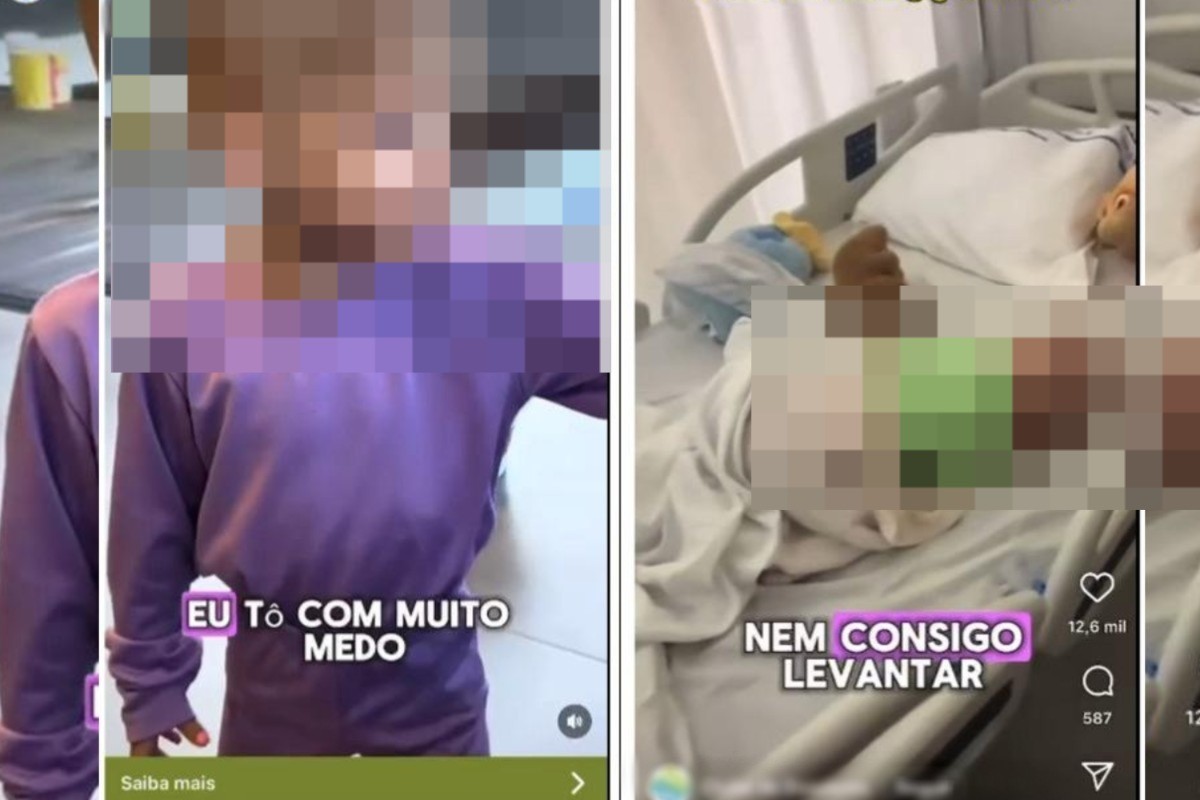
Authorities in Brazil have arrested a 26-year-old man in Dourados, Mato Grosso do Sul, as part of a broader investigation into a criminal group suspected of defrauding the public through fake online fundraising campaigns. The group allegedly used artificial intelligence, including deepfake technology and voice cloning, to create convincing fraudulent appeals, often featuring images of sick children, particularly those with cancer. The arrested individual is believed to have been part of the organization's technological core, responsible for creating fake websites, managing domains and servers, and producing manipulated videos. This arrest is part of "Operation Sophia," led by the Civil Police of Rio Grande do Sul, which has already resulted in 16 arrests across multiple states including Mato Grosso do Sul, Pernambuco, Paraná, São Paulo, and Rio Grande do Sul. The investigation was initiated after the mother of a young girl named Sophia, who is undergoing cancer treatment, reported that her daughter's photos and videos were being used in unauthorized Facebook and Instagram advertisements to solicit donations. The group reportedly modified genuine campaigns to appear authentic, directing victims to fake donation sites that mimicked legitimate platforms. These sites generated Pix QR codes, funneling money into shell companies controlled by the organization. In the case involving Sophia's image, an estimated R$ 294,500 was diverted. The investigation also uncovered a financial core for the organization that processed over R$ 1.7 million during the period under review. Police are advising the public to verify donation campaigns by directly contacting families or institutions and confirming recipient details before donating.
AI-driven disinformation campaigns are increasingly sophisticated, posing significant challenges to public trust and financial security. This case highlights the exploitation of public empathy for vulnerable individuals, particularly children with serious illnesses, as a tactic for financial gain. The use of advanced technologies like deepfake and voice cloning by criminal organizations underscores the need for robust digital forensics and public awareness initiatives. Future regulatory frameworks may need to address the creation and dissemination of AI-generated deceptive content, balancing innovation with safeguards against malicious use. The incident also points to systemic vulnerabilities in online fundraising platforms and payment systems that require enhanced verification and fraud detection mechanisms to protect potential donors and legitimate charitable causes.
AI-generated to prompt reflection — not editorial opinion, not advice, not a statement of fact. How this works.