Man Arrested for Using Fake Medical Certificate Bought Online for $50 in Brazil
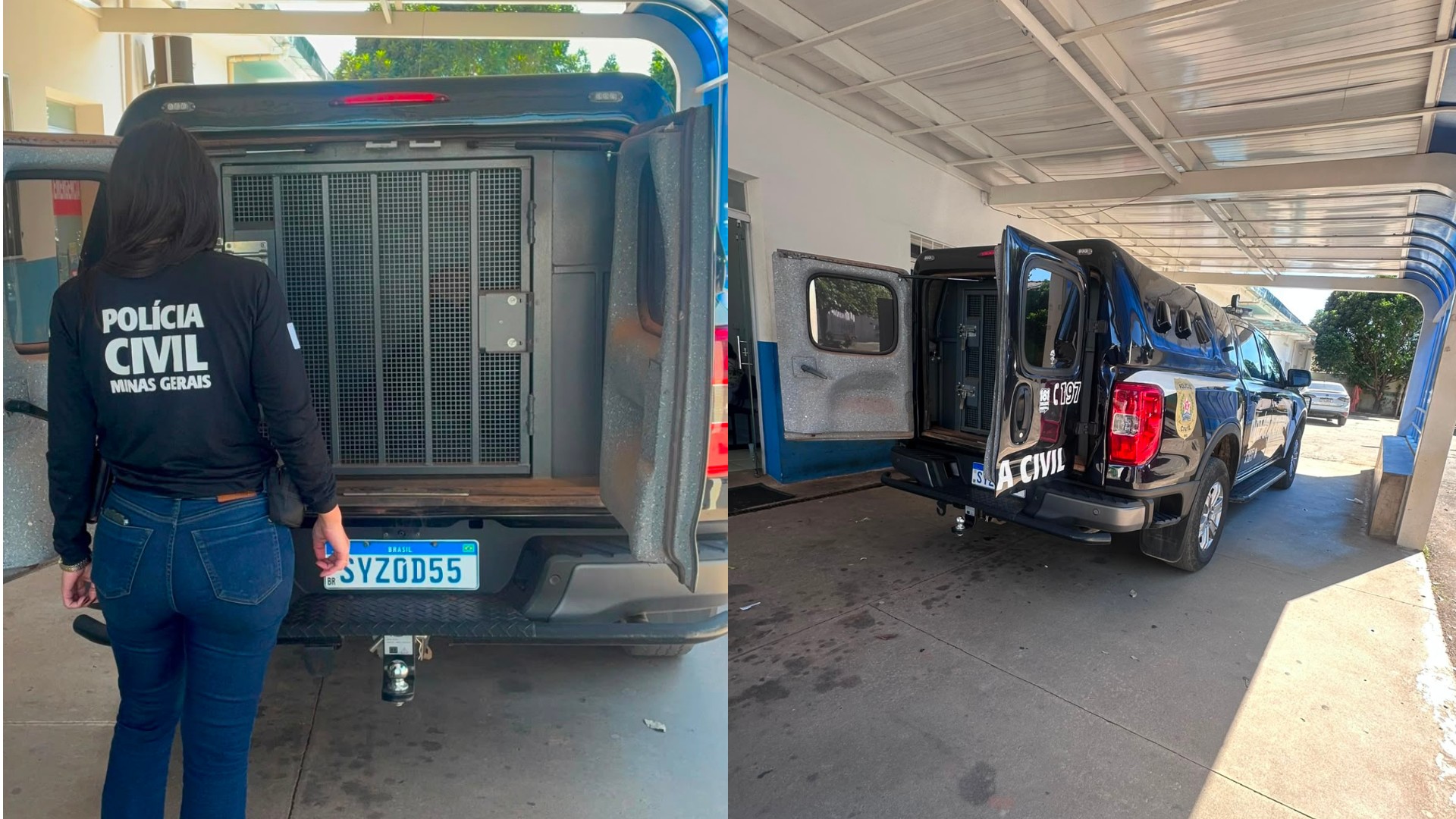
A 22-year-old man, Paulo Victor Rodrigues Soares, was arrested in Campos Altos, Minas Gerais, Brazil, for presenting a forged medical certificate to justify his absence from work. The incident occurred on Tuesday, July 28th. Soares reportedly confessed to purchasing the fake document online for R$50 (approximately $10 USD) to cover a day of absence from his job at a gas station. The owner of the establishment became suspicious when he realized the clinic listed on the certificate does not operate on Sundays. The forged document, dated Sunday, July 26th, cited "CID R51" (headache) as the reason for a one-day medical leave and bore a falsified signature of Dr. Davi Sálvio Domingos de Souza and the name of Clínica Médica Popular (CMP). Both the clinic and the doctor stated they were victims of the forgery, as the doctor does not work at the clinic and neither the doctor nor the clinic provided any services on the date indicated. The clinic confirmed they do not offer services on Sundays, and the signature on the document did not match the doctor's official records. The police investigation is ongoing to identify other potential individuals involved in the criminal operation of selling fake medical certificates. Following his arrest, Soares was taken to the police station and subsequently transferred to the Araxá prison.
This incident highlights the persistent issue of fraudulent medical documentation, often facilitated by online marketplaces. The ease with which individuals can acquire seemingly legitimate but ultimately fake certificates for a nominal fee presents a challenge for employers and healthcare systems alike. The swift apprehension of the employee and the clear statements from the clinic and doctor demonstrate a robust response to the immediate offense. However, the underlying problem of illicit online services offering forged documents requires broader attention, potentially involving platform accountability and stronger regulatory oversight to disrupt these criminal networks. Future considerations should focus on developing more secure verification methods for medical leave and addressing the demand side by educating employees on the severe legal and professional consequences of such fraudulent activities.
AI-generated to prompt reflection — not editorial opinion, not advice, not a statement of fact. How this works.