Man Arrested for Vandalizing Ex-Partner's Home, Killing Animals, and Threatening Her
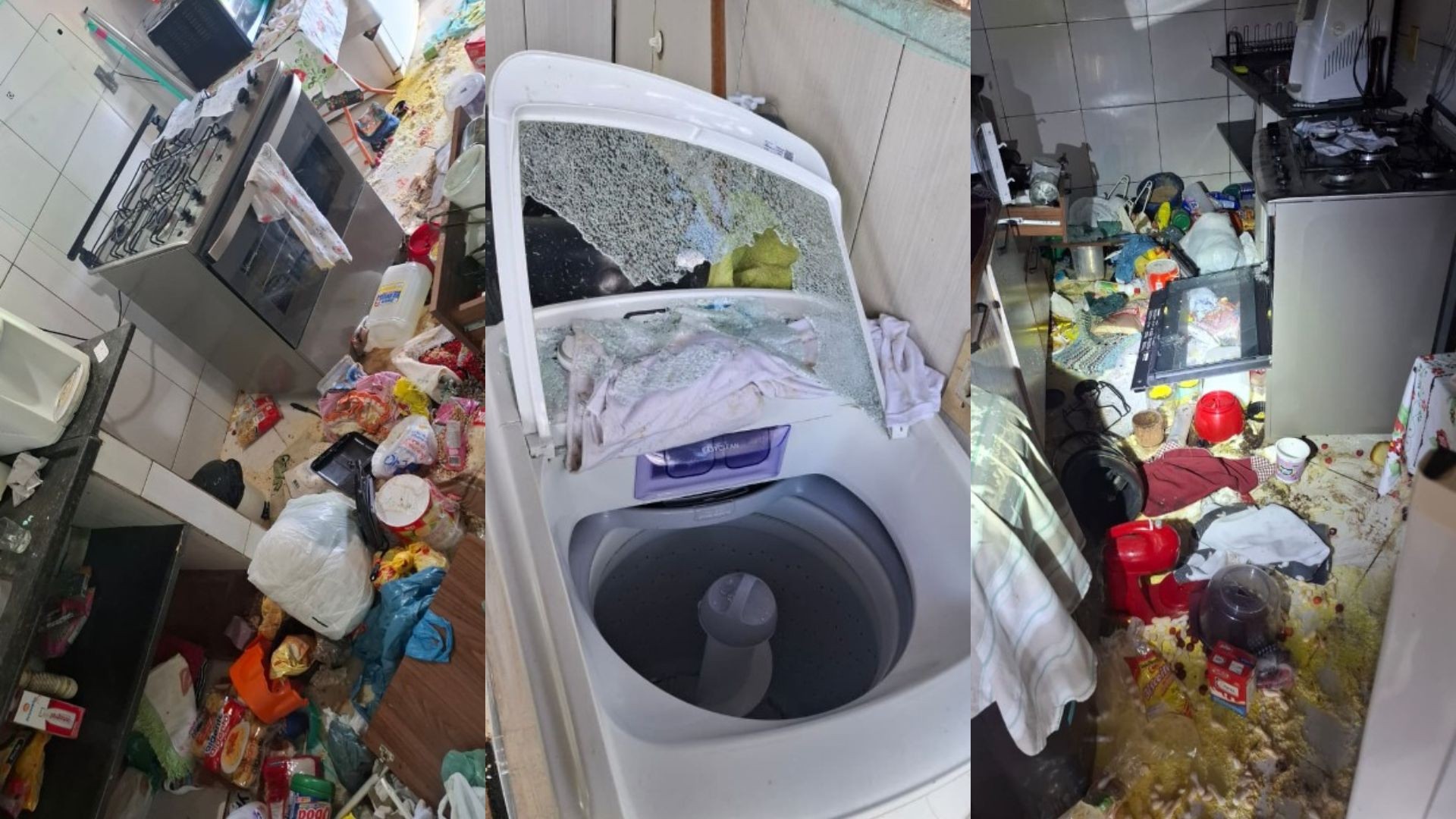
A 34-year-old man has been arrested in Águia Branca, Espírito Santo, Brazil, for invading his ex-partner's home, causing extensive damage, leaving dead animals inside, and violating a protective order. The incident occurred in February in Barra de São Francisco. The suspect, who was sought by the Civil Police since then, allegedly removed the roof to gain entry. He then vandalized furniture, appliances, and food, cut a water pump pipe, spread blood, and left dead animals and threatening messages on the walls, along with threatening letters. The victim was not present during the invasion as she had already moved out due to fear of her ex-partner. Twelve days after the initial incident, the suspect sent further threats to the victim via text message, vowing to kill her and go to her workplace. He was aware of the existing protective order. Authorities requested his preventive arrest, which was granted by the court due to the severity of the acts and repeated violations. The man was apprehended on Tuesday, February 7th, walking along a highway in Águia Branca, a neighboring municipality. During his arrest, he initially provided false names but eventually revealed his true identity. He has been taken to the 14th Regional Police Station in Barra de São Francisco and is now in the prison system, awaiting further judicial proceedings.
This case highlights the critical intersection of domestic violence, property destruction, and the legal system's response to protective orders. The suspect's actions, including extreme vandalism and animal cruelty, suggest a pattern of escalating coercive control and a disregard for legal boundaries. The repeated threats after the initial invasion underscore the persistent danger faced by the victim and the challenges in ensuring her safety. The suspect's attempt to evade capture by providing false identities further complicates the legal process. This situation prompts reflection on the effectiveness of current protective measures and the need for robust enforcement mechanisms to prevent further harm and hold perpetrators accountable, particularly in cases involving severe psychological and physical intimidation.
AI-generated to prompt reflection — not editorial opinion, not advice, not a statement of fact. How this works.