Man Arrested in Boa Vista with 1.5 kg of "Super Marijuana"
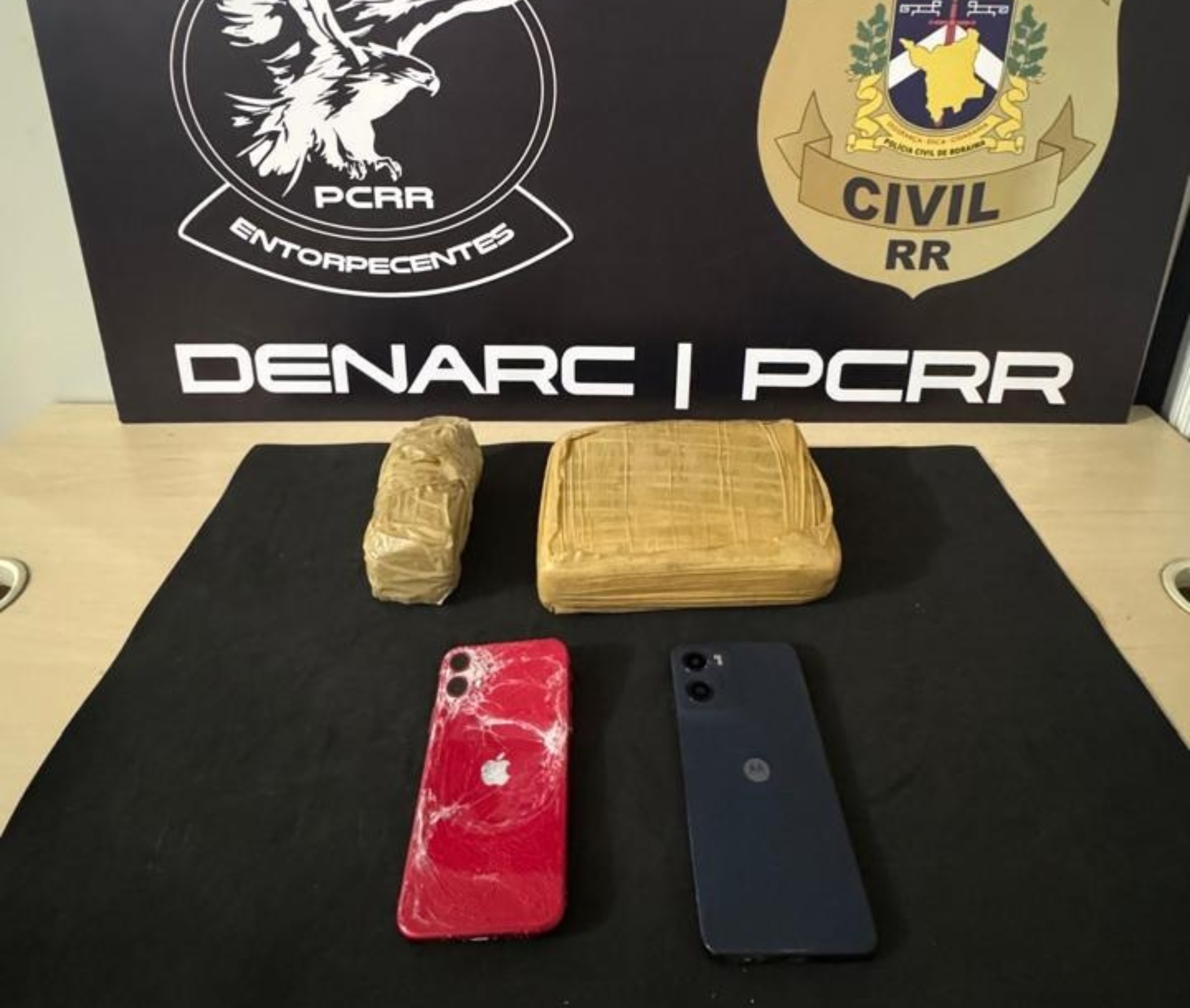
Civil Police in Boa Vista, Roraima, arrested a man on Monday, May 27th, for drug trafficking, seizing approximately 1.5 kilograms of skunk, also known as "super marijuana." The arrest, announced on Wednesday, May 29th, followed a 15-day investigation by the Narcotics Repression Division (DRE). Authorities had been monitoring the suspect, who was allegedly distributing drugs across Boa Vista and storing them for other traffickers. To evade detection, he reportedly used different vehicles for deliveries. During the operation, police observed the suspect preparing to hand over a bag to another individual. Upon noticing the approaching officers, he fled at high speed, driving erratically and even swerving towards a police officer. After a pursuit of about 500 meters, the suspect crashed his car into a house wall. He then abandoned the vehicle and attempted to escape on foot, but was apprehended by police. During the chase, he also destroyed his mobile phone. The seized items included the 1.5 kg of skunk and the damaged phone. A second occupant of the car managed to escape and is currently being sought by the Civil Police. The vehicle was also impounded. The suspect had a prior arrest for drug trafficking approximately one year ago, when he was found with about 1 kg of cocaine. Following a custody hearing on Tuesday, May 28th, a judge converted his arrest into preventive detention. The DRE, part of the Narcotics Department (Denarc) with support from the Intelligence Unit (NI), conducted the operation.
This incident highlights the ongoing challenges in combating drug trafficking in Boa Vista, particularly concerning the seizure of significant quantities of skunk. The suspect's prior arrest for a similar offense suggests potential systemic issues in rehabilitation or deterrence. The police's investigative approach, involving surveillance and a high-speed pursuit, underscores the risks inherent in interdiction operations. Future strategies might consider enhanced intelligence gathering to disrupt supply chains earlier and explore community-based prevention programs to address demand. The suspect's attempt to destroy evidence by breaking his phone points to the critical role of digital forensics in modern investigations.
AI-generated to prompt reflection — not editorial opinion, not advice, not a statement of fact. How this works.