Man Arrested in Brazil for Impersonating Local Official in Online Scams
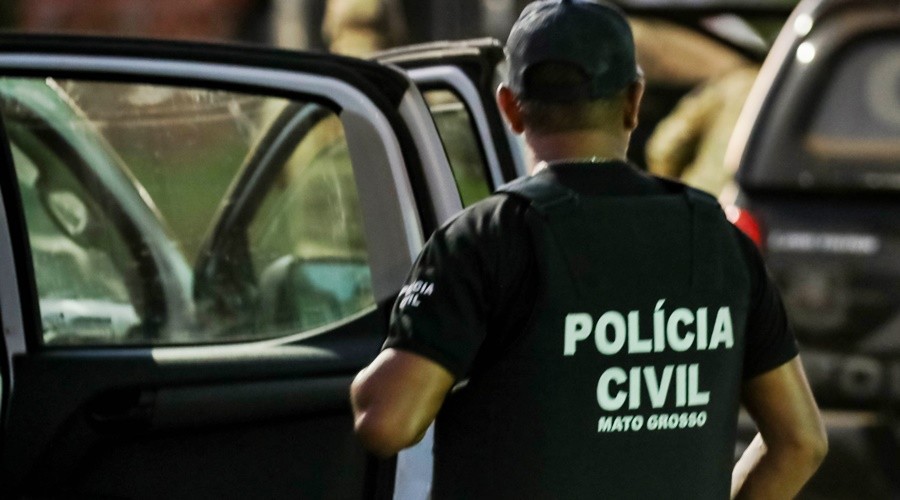
Authorities in Cuiabá, Brazil, have arrested a man suspected of orchestrating online scams by impersonating a local councilman from Guarantã do Norte. The arrest occurred on Tuesday, May 21st, as part of "Operation Impersonare." In addition to the preventive detention, four search and seizure warrants were executed at properties in Cuiabá, leading to the confiscation of mobile phones, computers, and documents pertinent to the ongoing investigation. The Civil Police are investigating the suspect for fraud, false identity, and related offenses. The operation was spearheaded by the Regional Delegation of Guarantã do Norte, with support from the State Management of Polinter and Captures. The suspect allegedly employed the "intermediary scam," where genuine sale listings were copied and reposted online at lower prices. He acted as an intermediary between buyers and sellers, concealing their mutual awareness. To bolster his credibility, he used messaging apps to pose as the president of the Guarantã do Norte Municipal Chamber, misusing the councilman's identity and image. This false identification was intended to instill confidence in victims and facilitate financial gain. The seized materials will undergo forensic analysis to identify potential additional victims, ascertain the involvement of other individuals, and gather evidence for the inquiry. The Civil Police urge anyone who engaged in similar online transactions and recognizes these fraudulent patterns to report to a police station.
This operation highlights the evolving sophistication of online fraud, particularly the exploitation of public figures' identities to gain victim trust. The "intermediary scam" leverages information asymmetry, while impersonation adds a layer of perceived legitimacy. Future fraud prevention may require enhanced digital identity verification protocols and public awareness campaigns focused on recognizing such deceptive tactics. The investigation's focus on forensic analysis of seized devices underscores the critical role of digital forensics in prosecuting cybercrimes and potentially uncovering broader networks of illicit activity.
AI-generated to prompt reflection — not editorial opinion, not advice, not a statement of fact. How this works.