Man Arrested in Brazil for Posing as Housing Official in $25,000 Scam
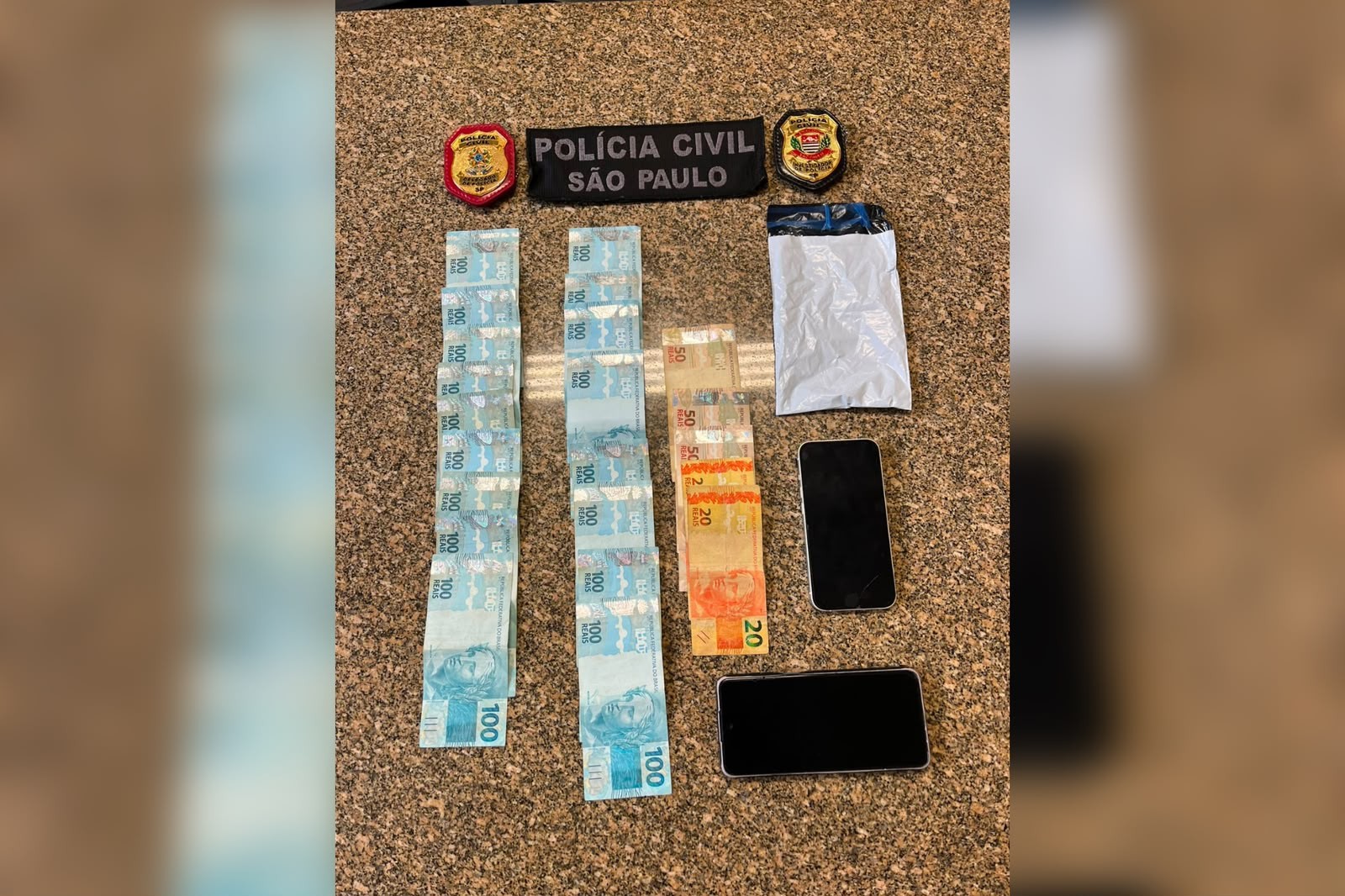
Authorities in Itapetininga, São Paulo, Brazil, arrested a man on Thursday, May 24th, suspected of perpetrating an elaborate housing scam. The suspect allegedly impersonated an employee of the State Secretariat of Housing and the Housing Development Company (CDHU) to defraud victims. He claimed to have access to apartments repossessed by CDHU due to non-payment by previous residents, offering them at below-market prices. The scheme began on May 28th when the suspect approached a victim selling a vehicle, offering a non-existent apartment for R$ 80,000. He provided fabricated contract photos and demanded payments for administrative fees and document regularization. The victim made several transfers, totaling R$ 25,000, before the suspect demanded an additional R$ 1,500 for key delivery. Suspicious, the victim contacted the Civil Police, who orchestrated an operation. During the arranged meeting, the victim paid the final amount and received electronic tags and keys, but the suspect could not produce the property documentation. Police apprehended the man at the scene. Investigations revealed the suspect has a history of similar scams, with 22 prior police reports for impersonating public officials in the housing sector. He has been charged with fraud and aggravated usurpation of public office, and the investigation is ongoing.
This incident highlights the persistent vulnerability of individuals seeking affordable housing to sophisticated fraud schemes. The perpetrator exploited a perceived scarcity and a desire for below-market deals, leveraging official-sounding entities like CDHU to build credibility. The repeated nature of the offenses, indicated by 22 prior reports, suggests systemic challenges in identifying and preventing repeat offenders, potentially due to gaps in information sharing or enforcement across different jurisdictions. Future efforts could focus on enhanced public awareness campaigns about common housing scam tactics and strengthening inter-agency cooperation to track individuals with a pattern of such fraudulent activity. The case also underscores the importance of robust verification processes for any real estate transaction, particularly those involving government-affiliated agencies.
AI-generated to prompt reflection — not editorial opinion, not advice, not a statement of fact. How this works.