Man Arrested in Salvador for Posing as Athlete to Rob Exercisers
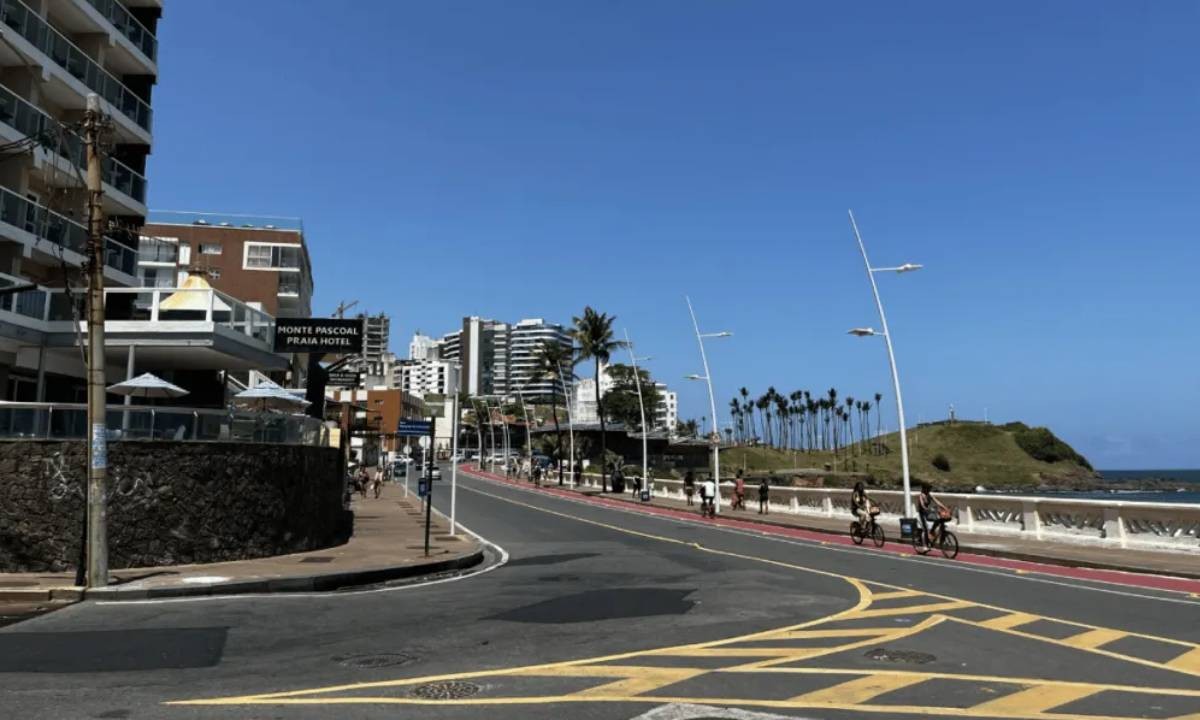
A 20-year-old man was arrested on Friday, May 20th, in Salvador, Brazil, suspected of being part of a gang that targeted individuals exercising along the city's coastline. The group allegedly posed as athletes to approach victims engaged in physical activities, such as running. One documented incident occurred in March of this year, where a suspect was photographed during a robbery. Police investigations, initiated after this event, revealed the gang operated in a coordinated manner. Typically, one member would commit the robbery while another waited on a motorcycle to facilitate their escape. Analysis of surveillance footage and other investigative efforts helped identify the motorcycle used in the crimes and the involvement of the arrested suspect. A preventive detention order and a search and seizure warrant were executed against him. The suspect was taken to the Inter-State Police Coordination (Polinter) and is currently awaiting judicial proceedings. The Civil Police stated that investigations are ongoing to identify other members of the group and to clarify their involvement in other property crimes in the area.
This incident highlights a concerning trend of opportunistic crime targeting public spaces, exploiting the trust and routine of individuals engaged in healthy activities. The gang's modus operandi, using a guise of athleticism to approach victims, suggests a calculated strategy to minimize suspicion. The coordinated use of a getaway motorcycle indicates a level of organization that warrants further investigation into potential wider networks. From a systemic perspective, the reliance on visual surveillance and investigative work points to the ongoing challenges in proactively securing public areas against such adaptable criminal tactics. Future strategies might consider enhanced community policing presence during peak activity hours, alongside technological solutions that can deter or quickly respond to such coordinated offenses, balancing safety with the accessibility of public spaces.
AI-generated to prompt reflection — not editorial opinion, not advice, not a statement of fact. How this works.