Man Arrested in Teresina for Allegedly Stalking and Threatening Ex-Partner for 28 Years
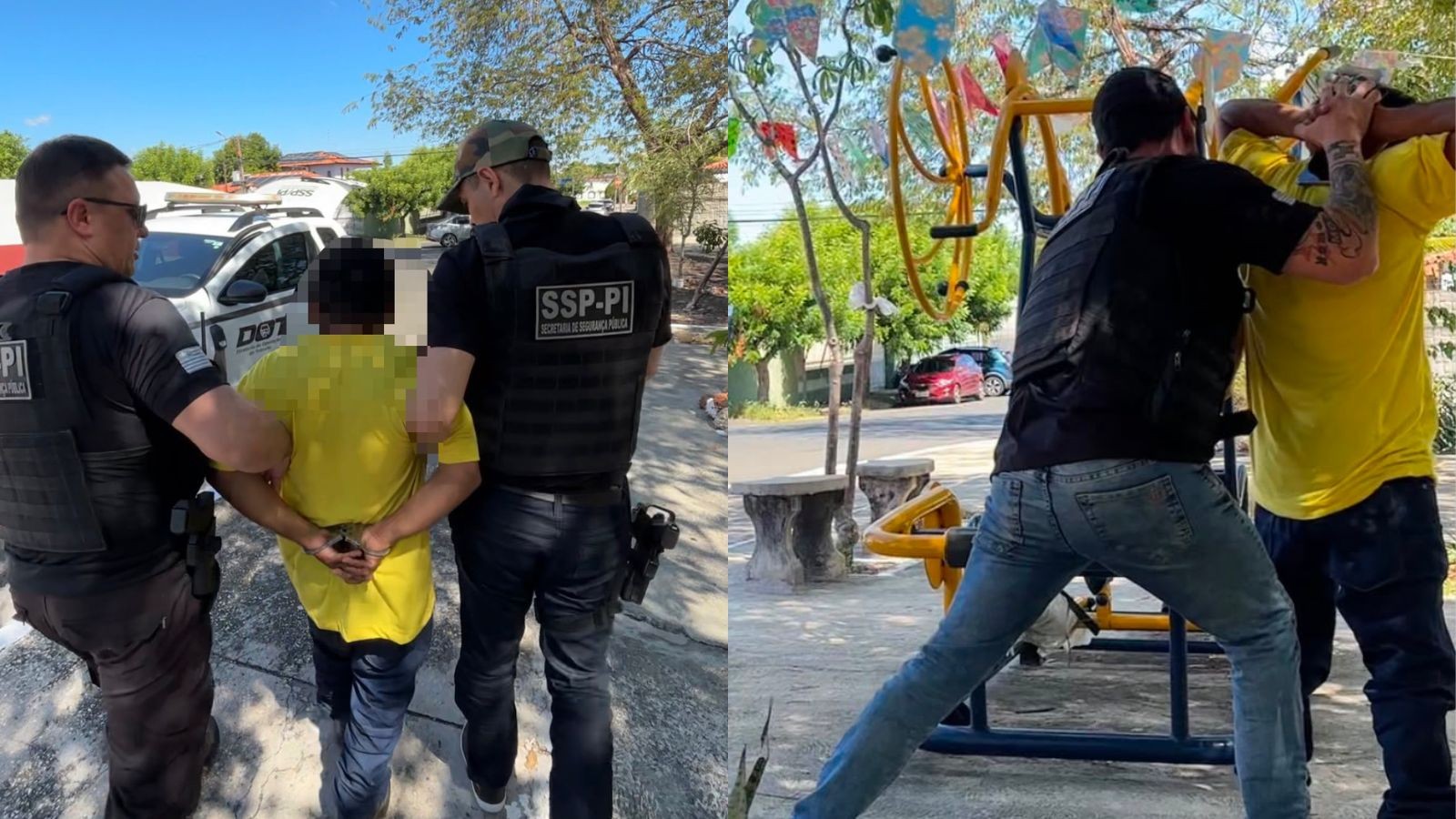
A 54-year-old man, identified by the initials A. L. A. de C., was arrested on Friday, May 31st, in Teresina, Piauí, Brazil. He is suspected of domestic violence and has been under investigation for allegedly stalking, threatening, and intimidating his ex-partner for approximately 28 years. According to the Piauí Public Security Secretariat (SSP-PI), the victim reported that the suspect made death threats during video calls and, on some occasions, displayed a firearm while communicating with her. The delegate questioned the suspect about these allegations, noting reports of death threats, including a purported statement that he would 'drink the victim's blood.' The SSP-PI also stated that the suspect was being monitored by the Artificial Intelligence Policing System (SPiA). The arrest warrant was executed by teams from the Directorate of Traffic Operations (DOT) and the Directorate of Strategic Intelligence (DINTE). Following his arrest, the man was taken for legal processing and is currently awaiting further judicial proceedings. The investigation into the case is ongoing.
This arrest highlights the persistent challenges in addressing long-term domestic abuse and stalking, even with the integration of advanced surveillance technologies like AI policing systems. The prolonged nature of the alleged harassment, spanning nearly three decades, underscores the difficulties victims face in seeking and sustaining protection. While the use of AI for monitoring is a step towards proactive intervention, the case also raises questions about the effectiveness of such systems in preventing escalation and the legal frameworks required to ensure timely and decisive action. Future considerations should focus on enhancing victim support mechanisms, improving inter-agency coordination, and refining AI's role in identifying and mitigating high-risk domestic situations before they reach critical points, balancing technological capabilities with fundamental human rights and due process.
AI-generated to prompt reflection — not editorial opinion, not advice, not a statement of fact. How this works.