Man Arrested in Vila Velha After Using Faucet as Fake Gun in Robbery Spree
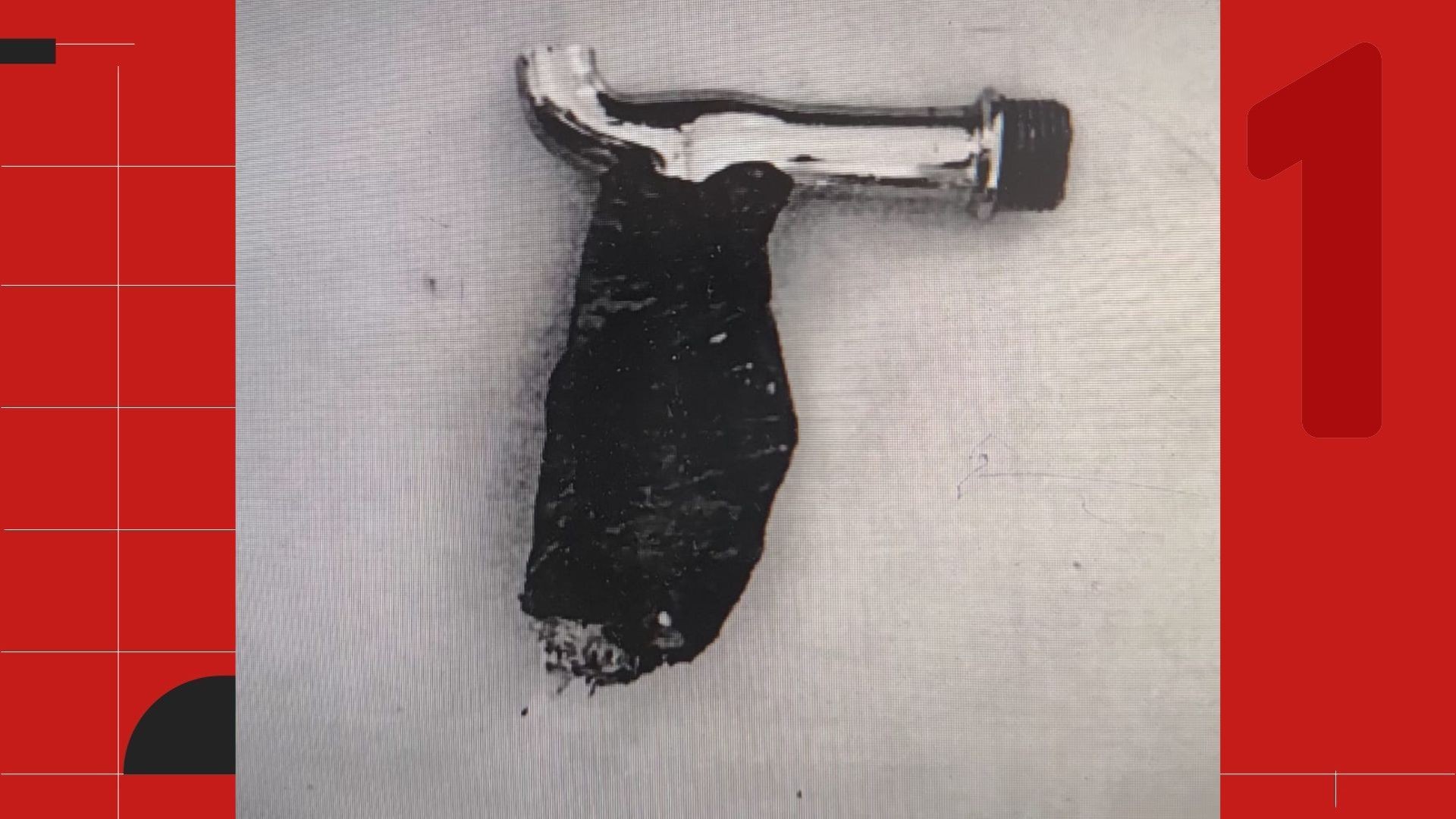
A 24-year-old man, identified as Alef Francelino da Silva, was apprehended by the public and subsequently arrested in Vila Velha, Espírito Santo, on Friday night, September 3rd. The suspect is accused of attempting to steal a car and a motorcycle, and causing an accident during his crime spree. According to witnesses and police reports, Silva used a faucet to simulate a firearm during the robberies. The incident began on Avenida Ceará, a main street in the Jockey de Itaparica neighborhood. Silva allegedly approached a 73-year-old car driver, who was making a delivery, and after asking for information, entered the parked car and drove off. He then collided with another vehicle passing on the avenue, causing damage but no injuries. Following the car theft attempt, Silva fled and was pursued by his victims. He then attempted to steal a motorcycle from a 32-year-old app-based delivery driver. The motorcyclist reported that he realized the suspect was not actually armed and reacted, leading to Silva falling off the motorcycle. The suspect was then subdued by bystanders until the police arrived. He was taken to the Vila Velha Regional Police Station, where the Civil Police charged him with aggravated robbery and attempted robbery. He has since been transferred to the prison system.
This incident highlights the desperation that can drive criminal activity, particularly when individuals resort to using common household items to mimic weapons. The swift public intervention and subsequent arrest underscore community vigilance in deterring crime. From a systemic perspective, the case raises questions about socioeconomic factors contributing to such offenses and the effectiveness of law enforcement response. The use of a simulated weapon, while less inherently dangerous than a real firearm, still instills fear and can lead to unpredictable escalation, as seen in the accidental collision. Moving forward, understanding the underlying drivers of property crime and exploring preventative social programs alongside robust policing strategies will be crucial for public safety in urban environments.
AI-generated to prompt reflection — not editorial opinion, not advice, not a statement of fact. How this works.