Man Arrested, Vehicles Seized After Fuel Station Robbery in Araçuaí
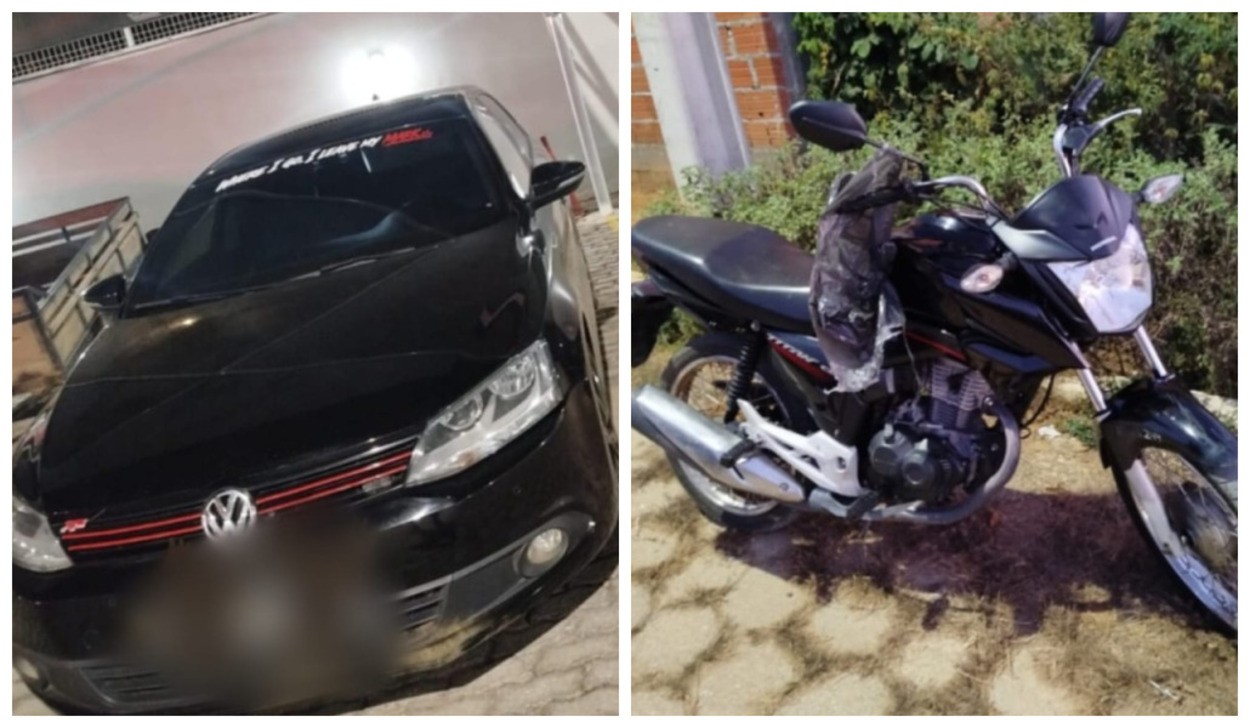
Police in Araçuaí, Brazil, arrested a man on Thursday, October 2nd, suspected of involvement in a robbery at a local fuel station. The incident involved two assailants who arrived on a motorcycle with a covered license plate. One of the robbers was armed as they threatened an employee and stole R$1,500 in cash, comprising bills and coins. Following the theft, Military Police units initiated an investigation, utilizing security camera footage to trace the perpetrators' escape route. During their search, officers recovered the motorcycle used in the robbery, which was found to be cloned. Additionally, a car believed to have been used to facilitate the escape was located in the city. The driver of this vehicle provided contradictory statements about his movements, and evidence from security cameras and witness accounts confirmed the car's presence on the escape route before and after the crime. Based on the collected evidence, the man was arrested for providing support to the individuals who carried out the robbery. A search of the suspect's residence uncovered a quantity of coins consistent with the amount stolen from the fuel station. Further investigation revealed that the arrested man had a recent prior arrest by the Federal Highway Police on June 10th of the same year in Linhares, Espírito Santo, for transporting two cloned motorcycles. The case has been handed over to the Civil Police for further proceedings.
This incident highlights the persistent challenges of petty crime and the methods employed by law enforcement to combat it. The use of cloned vehicles and covered license plates suggests a degree of pre-meditation by the perpetrators, aiming to evade identification. The swift police response, leveraging security footage and witness information, demonstrates the increasing reliance on technology and community intelligence in crime resolution. The suspect's prior arrest for transporting cloned motorcycles indicates a pattern of involvement in vehicle-related illicit activities, suggesting potential connections to larger criminal networks. Future efforts could focus on disrupting these networks and addressing the underlying economic or social factors that may drive such criminal behavior, while also exploring advancements in vehicle identification technology to counter cloning.
AI-generated to prompt reflection — not editorial opinion, not advice, not a statement of fact. How this works.