Man Arrested with Unlicensed .380 Pistol During Police Stop in Roraima
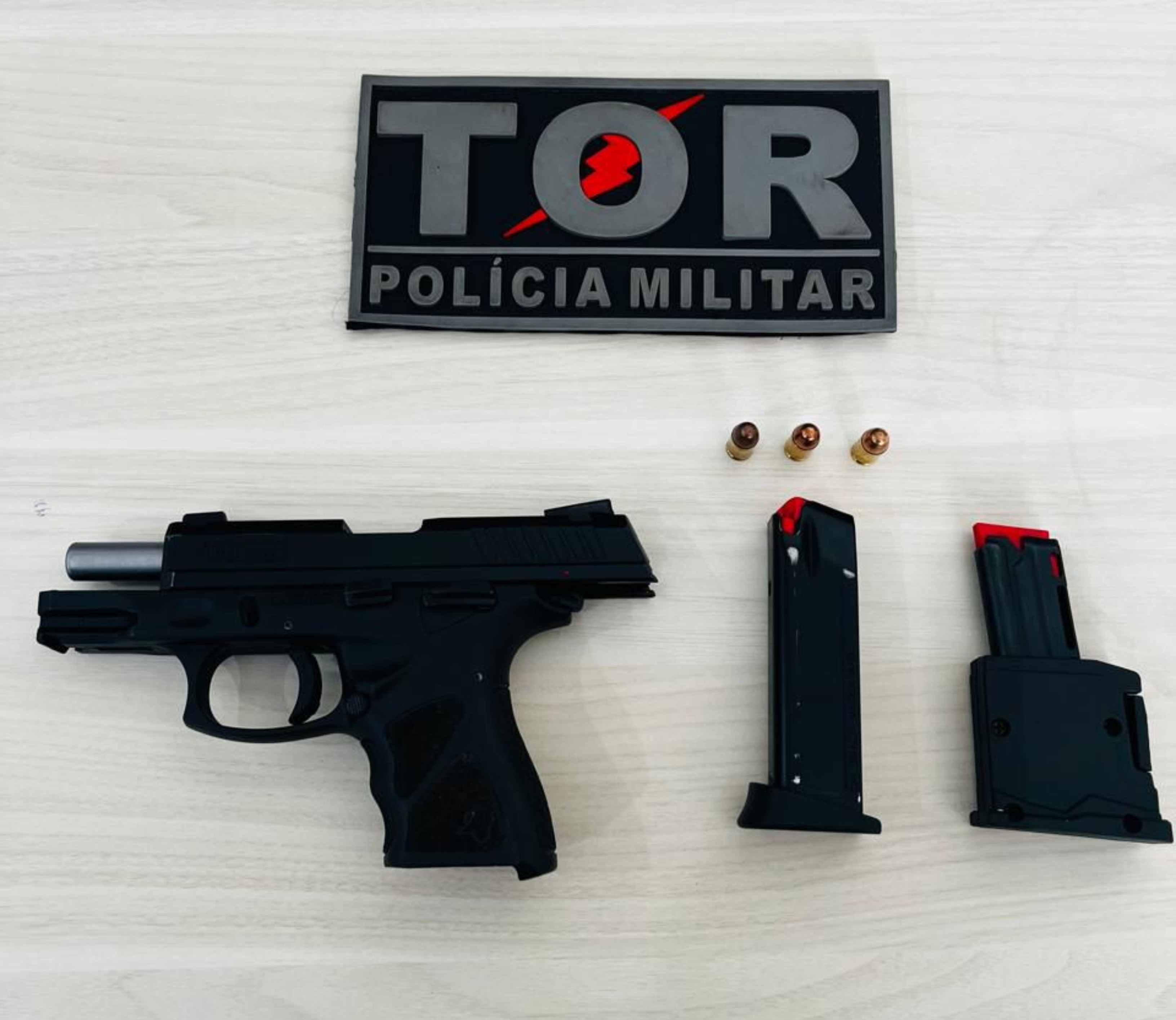
Military Police in Roraima, Brazil, arrested a 38-year-old man for illegal firearm possession on Saturday, November 4th. The apprehension occurred during a routine traffic stop on BR-432 in the rural area of Cantá, north of the state. While driving a pickup truck, the man informed officers that he possessed a firearm. When asked for documentation, he stated he had the pistol inside a backpack in the vehicle and only possessed the weapon's Registration Certificate (CR), lacking authorization for carrying it. During the vehicle search, officers discovered a loaded .380 caliber pistol with three rounds in the driver's backpack. Additionally, a seemingly .22 caliber firearm magazine was found in the vehicle's door. The driver admitted to not having a permit to carry the weapon and was arrested on the spot, subsequently taken to the police station. The suspect's 1-year-old son was also present in the truck during the stop. Before proceeding to the station, police accompanied the man to his home to leave the child with his mother. A lawyer later arrived at the police station to handle the retrieval of the pickup truck and its contents.
This incident highlights the ongoing challenges in enforcing firearm regulations, even during routine traffic stops. The driver's possession of a registered firearm without a carrying permit, coupled with the discovery of an additional magazine, suggests a potential disregard for established legal frameworks governing weapon control. The presence of a young child during the apprehension raises important considerations regarding child welfare protocols in law enforcement scenarios. Moving forward, such events underscore the need for clear and consistently applied policies for both firearm registration and the authorization of carrying permits, aiming to balance public safety with individual rights. The systemic approach to gun control, encompassing education, enforcement, and legal accessibility, will continue to be a critical area of focus in public policy discussions over the next decade.
AI-generated to prompt reflection — not editorial opinion, not advice, not a statement of fact. How this works.