Man Caught Hiding Phone in Women's Restroom to Record Women in Santos, Brazil
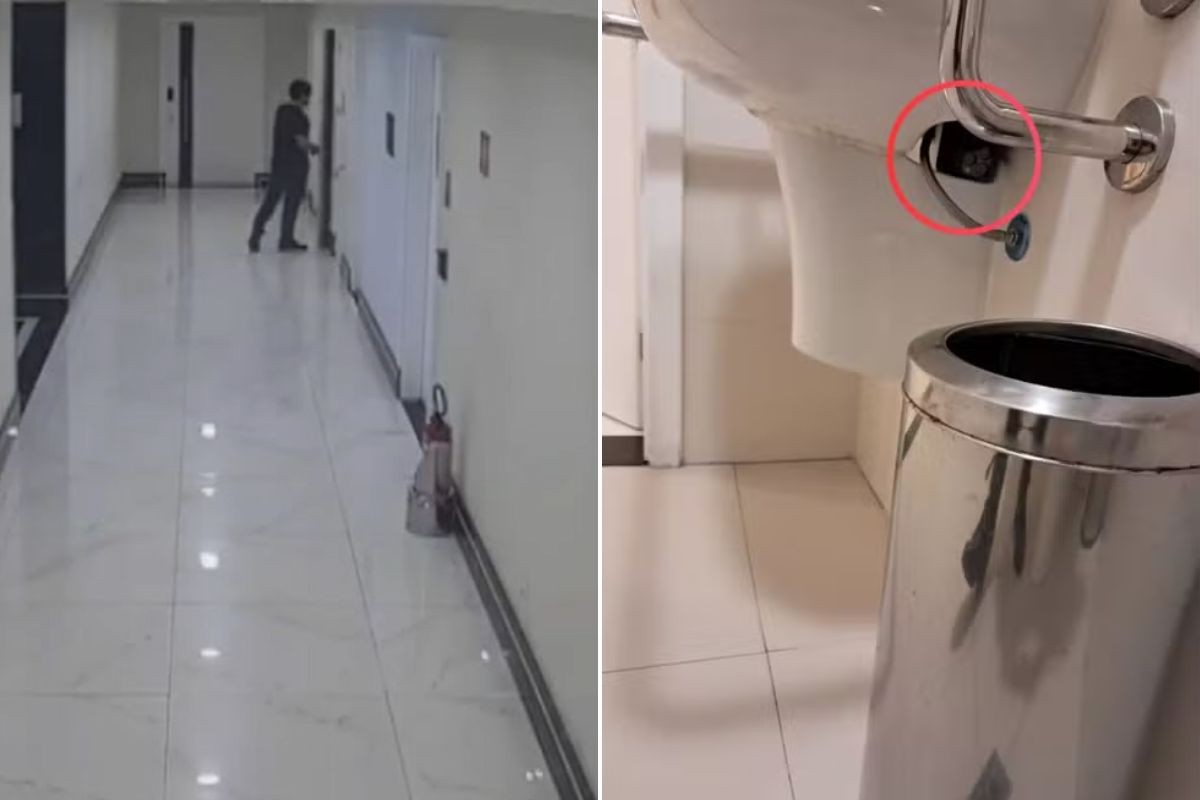
A 21-year-old man was apprehended in Santos, São Paulo, Brazil, after being filmed hiding a mobile phone in a women's restroom to record unsuspecting women. Surveillance footage captured the man entering a disabled women's restroom in a commercial building in the Aparecida neighborhood, where he placed the device under the sink with its camera aimed at the toilet. The incident is under investigation by the 3rd District Police of Santos following a report filed by two women who discovered the hidden phone last week. The man, whose identity has not been released, was taken to the police station and subsequently released after providing a statement. Police confirmed the man's presence in the restroom through surveillance footage and noted that the phone contained recordings of other potential victims. Investigators are exploring whether the man recorded for personal gratification or intended to sell the content to pornography sites. During his police statement, the man admitted to owning the phone and claimed to be undergoing psychological and psychiatric treatment for voyeuristic behavior, attributing his actions to years of excessive pornography consumption and a current attraction to observing others' intimacy without their knowledge. He also mentioned that psychiatric medication may have caused memory lapses regarding how the phone was placed. Authorities executed search warrants at the commercial building and the man's residence on Tuesday, May 14th, seizing a mobile phone, computer, laptop, and four imitation firearms. The suspect provided passwords for the devices, authorizing data extraction and forensic analysis.
This incident highlights the pervasive challenges of privacy violations facilitated by technology, particularly within public spaces. The investigation into the man's motives, including potential distribution of illicit content, underscores the evolving landscape of digital exploitation and the need for robust legal frameworks to address it. The suspect's self-reported psychological and psychiatric conditions, coupled with medication effects, introduce complexities in assessing intent and culpability, pointing towards the importance of comprehensive mental health support and its intersection with criminal justice. Future considerations should involve enhanced surveillance technologies that prioritize privacy while deterring such offenses and exploring systemic approaches to mental health care that mitigate the risk of individuals acting on harmful impulses.
AI-generated to prompt reflection — not editorial opinion, not advice, not a statement of fact. How this works.