Man Confesses to Wife's Murder from Jail, Promises to Reveal Body's Location
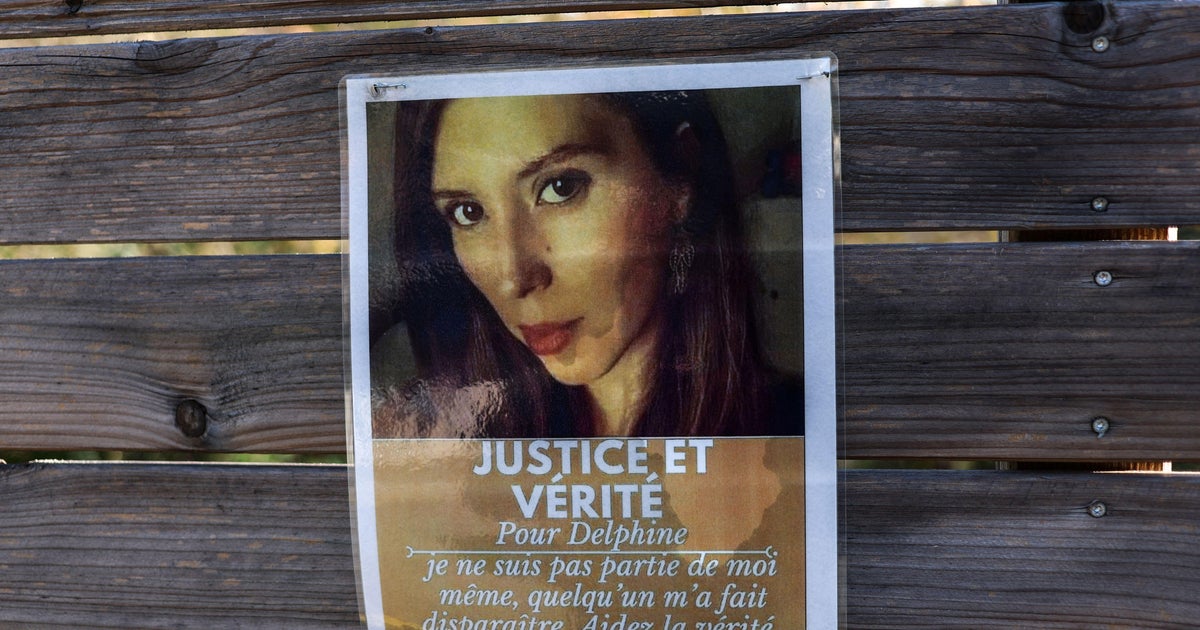
A man has confessed from jail to the murder of his wife, Delphine Jubillar, who disappeared in southern France in December 2020. The disappearance occurred during the COVID-19 pandemic, and her body has never been recovered. The confession comes after a prolonged period where the wife's whereabouts remained unknown. The suspect has stated his intention to reveal the location of his wife's body, though details regarding the timing or specifics of this revelation have not been provided. This development marks a significant turning point in the investigation into Delphine Jubillar's vanishing. The case has garnered considerable attention due to the mysterious circumstances surrounding her disappearance and the extended period without any concrete leads regarding her fate. The confession now shifts the focus to the recovery of the body and the subsequent legal proceedings.
This confession, emerging from a jail cell, represents a critical juncture in a protracted missing person case that evolved into a suspected homicide. The delay between disappearance and confession suggests potential complexities in the investigation or the suspect's motivations. From a systemic perspective, such cases highlight the challenges in forensic investigation when a body is not immediately recovered, impacting the timeline for justice and closure. The suspect's stated willingness to reveal the body's location could be driven by various factors, including legal strategy, psychological pressure, or a desire to control the narrative. Future investigations in similar circumstances might benefit from enhanced psychological profiling and strategic interrogation techniques to expedite the recovery of evidence and facilitate a swifter resolution.
AI-generated to prompt reflection — not editorial opinion, not advice, not a statement of fact. How this works.