Man Convicted for Racial Slur Against Mayoral Candidate in Poços de Caldas
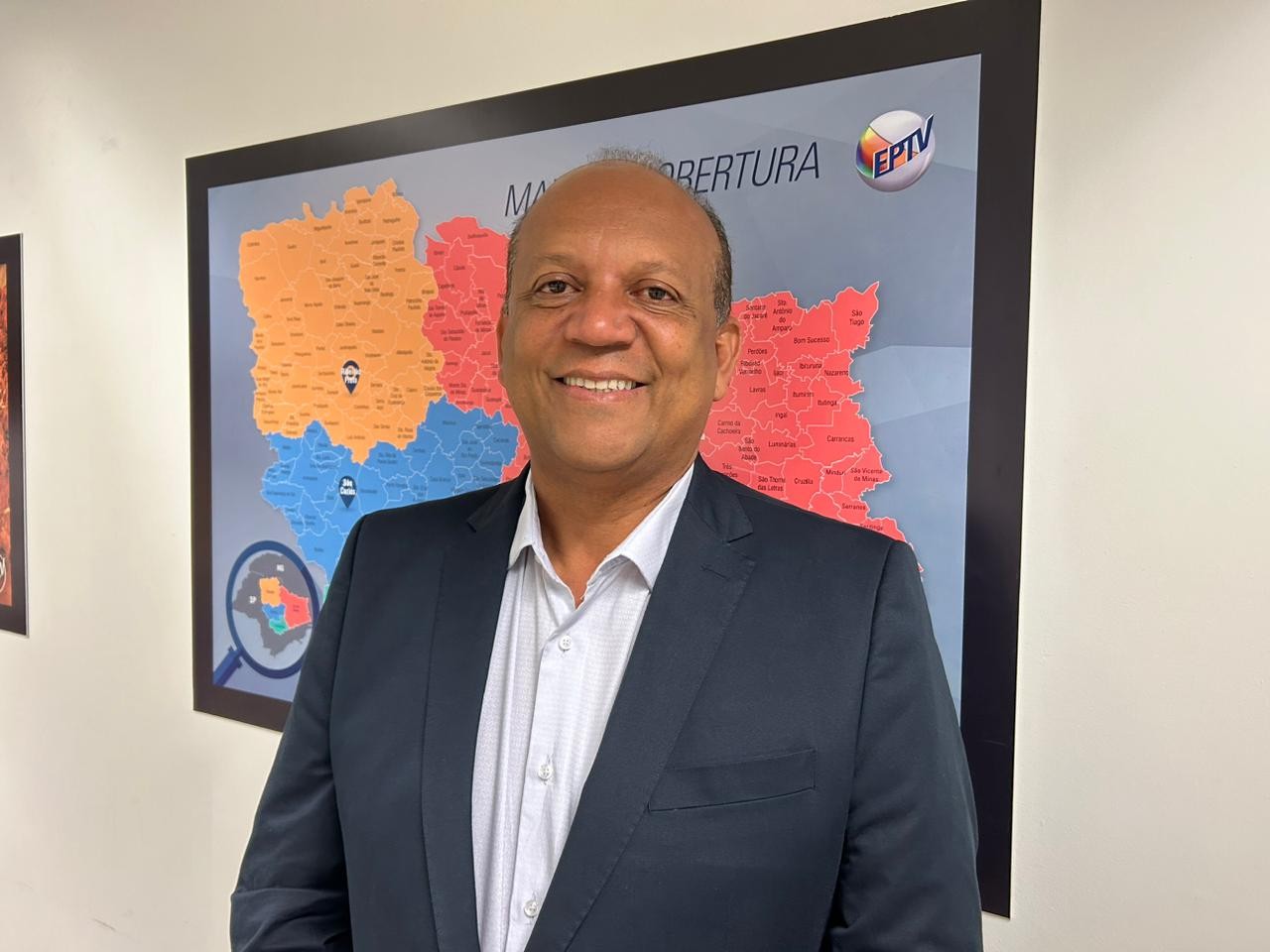
A court in Poços de Caldas, Minas Gerais, has convicted a man for racial slurs made on social media during the 2024 municipal election period. Raphael Pelegrino de Paiva was sentenced to 2 years and 8 months of imprisonment and a fine of 28 days' worth of income for a comment posted on August 17, 2024. The comment, directed at mayoral candidate Eloísio do Carmo Lourenço, included the phrase “negro FDP” (a racial slur) alongside political criticism.
The judge determined that the reference to Lourenço's race was not merely descriptive but was used to intensify the offense, thereby constituting racial insult. The defense argued that the comment was made in a political context without intent to offend based on race, but this argument was rejected by the court, which found the authorship, materiality, and specific intent of the crime to be proven. As a first-time offender, Paiva's prison sentence was commuted to two alternative sanctions: a financial payment equivalent to three minimum wages and community service. The initial sentence also includes the suspension of his political rights, effective after all appeals are exhausted.
Eloísio do Carmo Lourenço stated that he received the decision with composure, viewing it as a victory for justice and society. He emphasized that racism is a crime, even online, and expressed hope that the conviction will encourage other victims to report discrimination. Attempts to reach Raphael Pelegrino de Paiva for comment were unsuccessful.
This case highlights the legal ramifications of online hate speech, particularly concerning racial slurs during political campaigns. The court's decision underscores the principle that freedom of expression does not extend to speech that incites hatred or discriminates based on protected characteristics. The sentencing, including the substitution of incarceration with community-based sanctions for a first-time offender, reflects a judicial approach balancing punishment with rehabilitation. This event serves as a reminder of the evolving legal landscape regarding online conduct and its potential impact on civic discourse, particularly as digital platforms become increasingly central to political engagement. The outcome may influence future moderation policies and user accountability on social media, especially in electoral contexts, and could encourage greater vigilance against discriminatory language in public life.
AI-generated to prompt reflection — not editorial opinion, not advice, not a statement of fact. How this works.