Man Convicted of Child Sexual Abuse in Amazonas Arrested in Pará
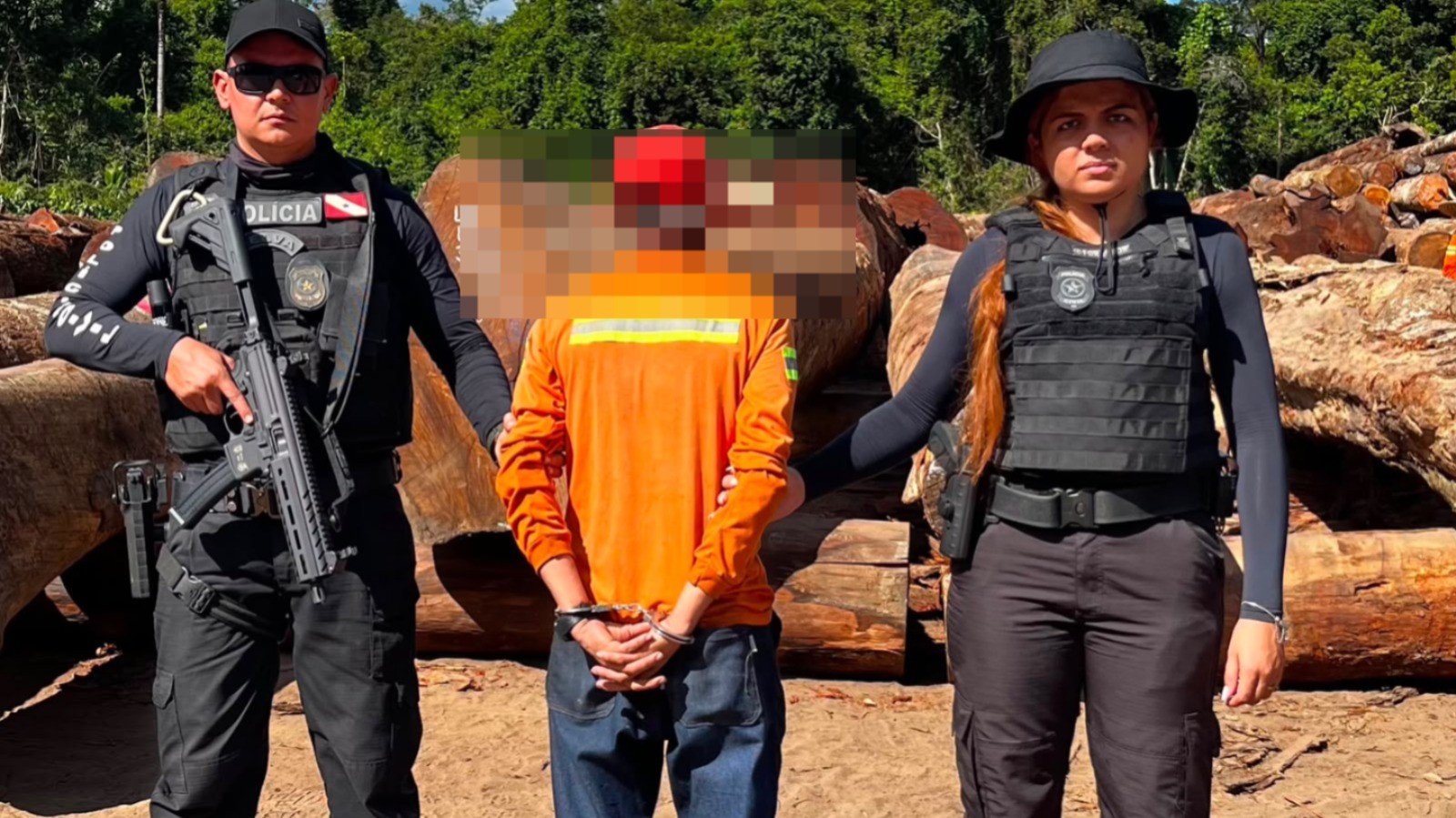
Authorities in Pará have arrested a 29-year-old man, Francimar Duque dos Santos, who was definitively convicted of child sexual abuse in Amazonas. The arrest occurred on Friday, May 31st, on a rural farm in Terra Santa, western Pará. The operation was a joint effort between the Civil Police of Pará and the Federal Police, following intelligence sharing. Santos, originally from Faro, Pará, was wanted on a warrant issued by the Nhamundá Court in Amazonas. The judicial order states he was sentenced to eight years of imprisonment, to be served initially in a semi-open regime, for the crime of aggravated sexual assault of a vulnerable person, as defined by Article 217-A of the Penal Code. This conviction became final on January 25, 2024, with no further appeals possible. The arrest warrant was issued on November 5, 2024, and is valid until November 2032. Santos was apprehended at Fazenda Nazareth, where he was employed by the Samisa logging company. The Civil Police emphasized that this arrest is part of ongoing efforts to combat impunity and apprehend fugitives. The Terra Santa Civil Police station is committed to executing outstanding arrest warrants for individuals hiding or residing in the municipality, regardless of where their convictions originated. Santos is currently in custody at the Terra Santa Civil Police station and awaits a custody hearing before being transferred to serve his sentence.
The apprehension of Francimar Duque dos Santos highlights the persistent challenge of fugitive recovery across Brazilian states, underscoring the importance of inter-agency intelligence sharing and dedicated law enforcement operations. This event also brings to the forefront the critical need for robust systems to track and apprehend individuals convicted of severe offenses, ensuring judicial sentences are effectively served. The successful capture, occurring nearly a year after the conviction became final and with a warrant valid for several more years, suggests potential gaps in initial enforcement or the individual's capacity to evade detection. Moving forward, enhancing proactive fugitive tracking mechanisms and exploring technological solutions for real-time monitoring could strengthen the justice system's ability to ensure accountability and public safety, particularly in preventing further harm by convicted offenders.
AI-generated to prompt reflection — not editorial opinion, not advice, not a statement of fact. How this works.