Man Convicted of Federal Terrorism Charges for Salman Rushdie Attack
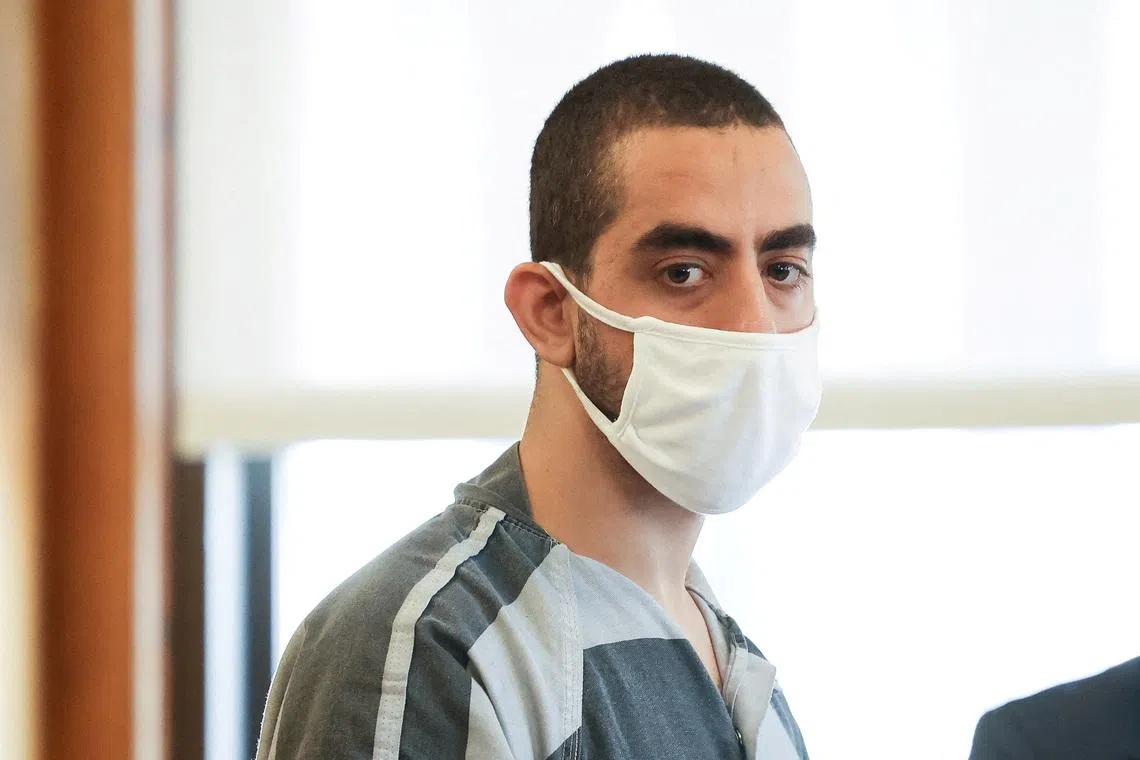
The individual who attacked author Salman Rushdie in August 2022 has been found guilty of federal terrorism charges. The assailant stabbed Rushdie on stage at the Chautauqua Institution in New York, an attack that resulted in the author being partially blinded. The conviction on Wednesday pertains to the federal terrorism charges directly linked to this assault. Rushdie, a celebrated author known for works like "The Satanic Verses," was participating in a literary event when the attack occurred. The incident drew widespread condemnation and renewed discussions about freedom of expression and the safety of writers. The trial focused on the perpetrator's motives and actions leading up to and during the stabbing. This verdict signifies a significant legal outcome following the violent encounter.
The conviction on federal terrorism charges for the attack on Salman Rushdie underscores the severe legal ramifications of violent acts targeting individuals based on their published works. This case highlights the ongoing tension between freedom of expression and the potential for extremist reactions. From a systemic perspective, it raises questions about the security measures in place for public figures, particularly those whose work has historically generated controversy. The legal framework's response, through terrorism charges, signals a societal stance against such attacks being categorized solely as isolated incidents, instead framing them within a broader context of ideological violence. Looking ahead, such events may prompt further examination of how societies balance protecting free speech with ensuring the safety of creators in an increasingly polarized digital age.
AI-generated to prompt reflection — not editorial opinion, not advice, not a statement of fact. How this works.