Man Dies After Being Beaten While Trying to Break Up Fight at Paraná Country Club
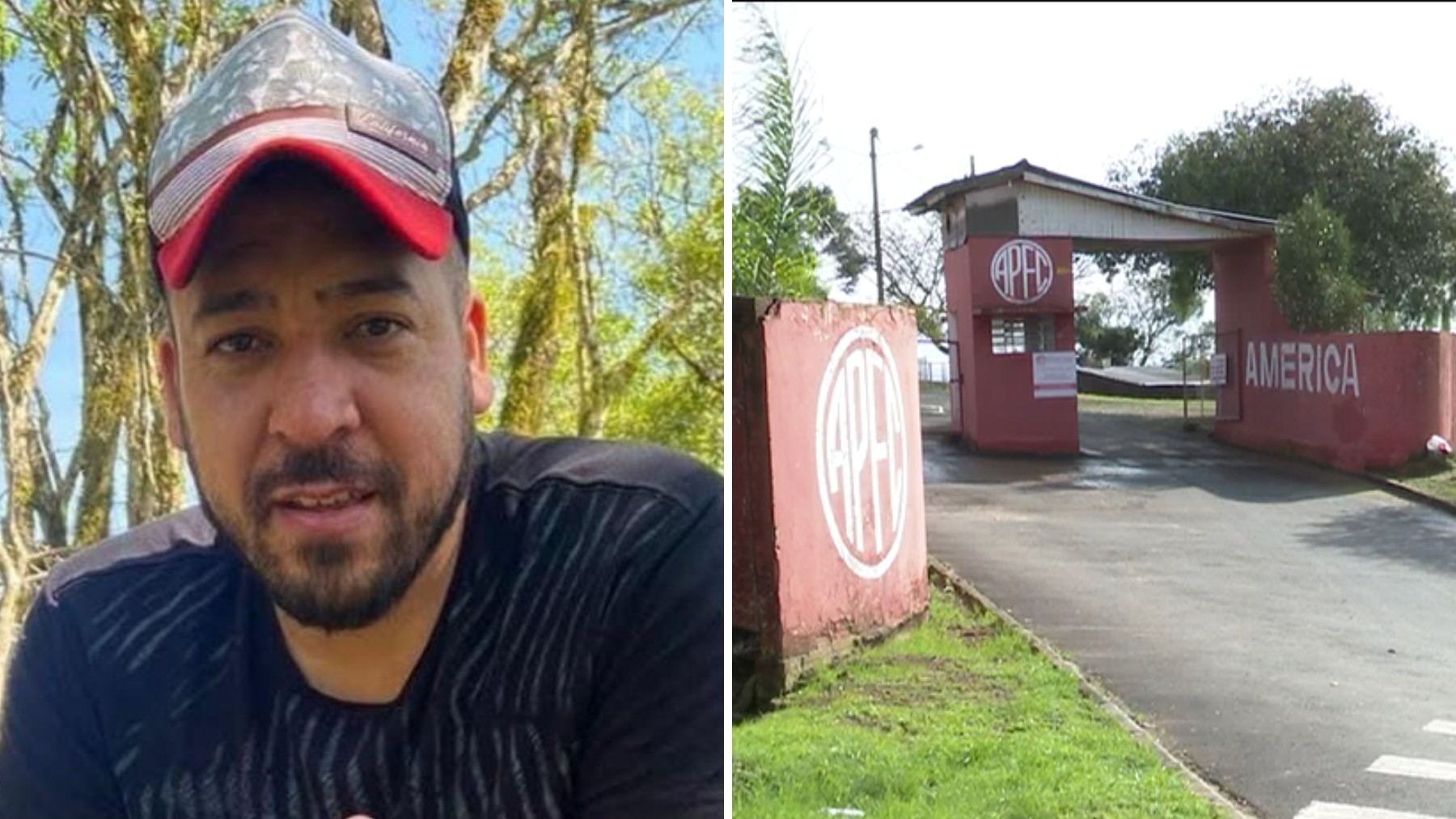
Jackson Fernando Freitas Ribeiro, a 34-year-old gas station attendant, has died after being severely beaten while attempting to de-escalate a fight at a party in Ponta Grossa, Paraná. Ribeiro, who is survived by his wife and 12-year-old daughter, was present at the event with his family and other club members. According to his uncle, Antonio Carlos Freitas de Sousa, the altercation began between acquaintances of the family and Ribeiro's cousin. After provocations, Ribeiro's cousin was pushed, and a child was knocked down, triggering the physical assault. Ribeiro intervened to separate the fight and protect his cousin but was himself attacked and sustained critical injuries. He was hospitalized for three days but ultimately succumbed to his wounds. The incident occurred on Sunday, October 26th, at Clube América, and Ribeiro's death was confirmed on Wednesday, October 30th. The Civil Police are investigating the case as a homicide, with preliminary findings indicating Ribeiro was not initially involved in the dispute and was injured while trying to intervene. Suspects' identities have not been released. Clube América issued a statement expressing solidarity with the victim's family and pledging full cooperation with the authorities, while refraining from commenting on the incident's specifics until the investigation concludes. The club has also suspended all sports activities until Monday.
This tragic event highlights the severe risks associated with escalating public disputes, even when individuals attempt to mediate peacefully. The incident underscores the importance of robust security protocols at public gatherings and the potential for bystander intervention to result in unintended harm. From a systemic perspective, understanding the triggers for such rapid escalation and the breakdown of conflict resolution mechanisms is crucial for preventing future occurrences. The investigation's focus on identifying all responsible parties and the club's commitment to cooperation are positive steps. Looking ahead, the challenge lies in fostering environments where de-escalation is prioritized and supported, potentially through improved event management and community-based conflict resolution training, to mitigate the impact of impulsive aggression in social settings.
AI-generated to prompt reflection — not editorial opinion, not advice, not a statement of fact. How this works.